

The failure of a major transaction has placed a prominent downtown property in limbo once more. Prospective buyers stepped back from negotiations over a large retail complex, returning the asset to the market. This turn of events underscores ongoing challenges in the city’s commercial sector as the SF Centre mall sale process restarts amid efforts to revive surrounding retail districts. Broader shifts in consumer patterns and economic conditions continue to weigh on similar urban properties nationwide, prompting questions about future viability for large scale retail spaces.
Context of Recent Market Shifts

Downtown retail has encountered sustained pressure from changing work patterns and online shopping growth. Many properties struggle to attract consistent foot traffic, leading owners to explore sales or repositioning strategies. In this environment, stalled deals like the one involving the large complex reflect caution among investors wary of prolonged recovery timelines. Local officials have pushed various incentives to encourage new uses, yet results remain mixed as vacancy rates stay elevated compared to pre pandemic levels.
Details of the Collapsed Agreement

Negotiations advanced to later stages before unraveling without a completed transfer. The property, spanning over a million square feet, had drawn interest due to its central location near key transit points. Sources close to the talks cited disagreements over pricing and future investment needs as key factors. With the SF Centre mall sale now back in play, brokers anticipate renewed outreach to a wider pool of potential acquirers, including those focused on mixed use conversions.
Impact on Union Square Revitalization
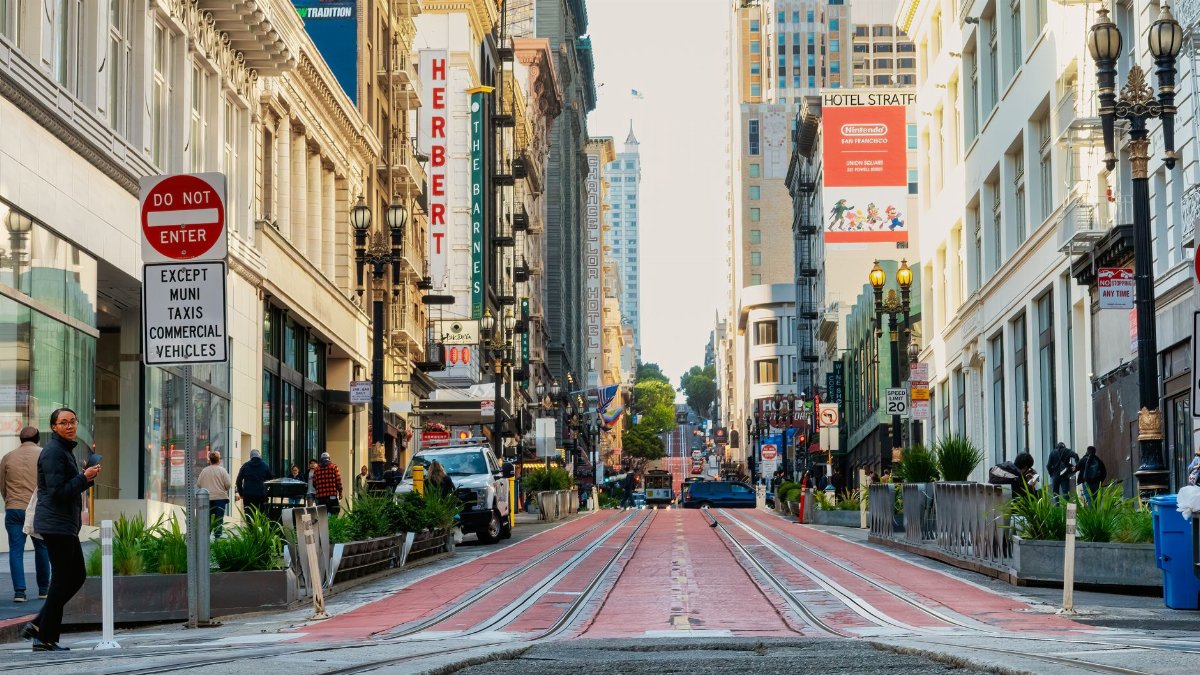
The surrounding district has seen targeted initiatives aimed at boosting visitor numbers through events and infrastructure upgrades. A stalled transaction adds complexity to these plans by extending uncertainty over one of the area’s anchor sites. Business owners nearby express hope that fresh marketing of the asset could attract creative redevelopment ideas. At the same time, they acknowledge that any new ownership group will need to address structural issues such as access and tenant mix to succeed.
Broader Trends in Commercial Real Estate
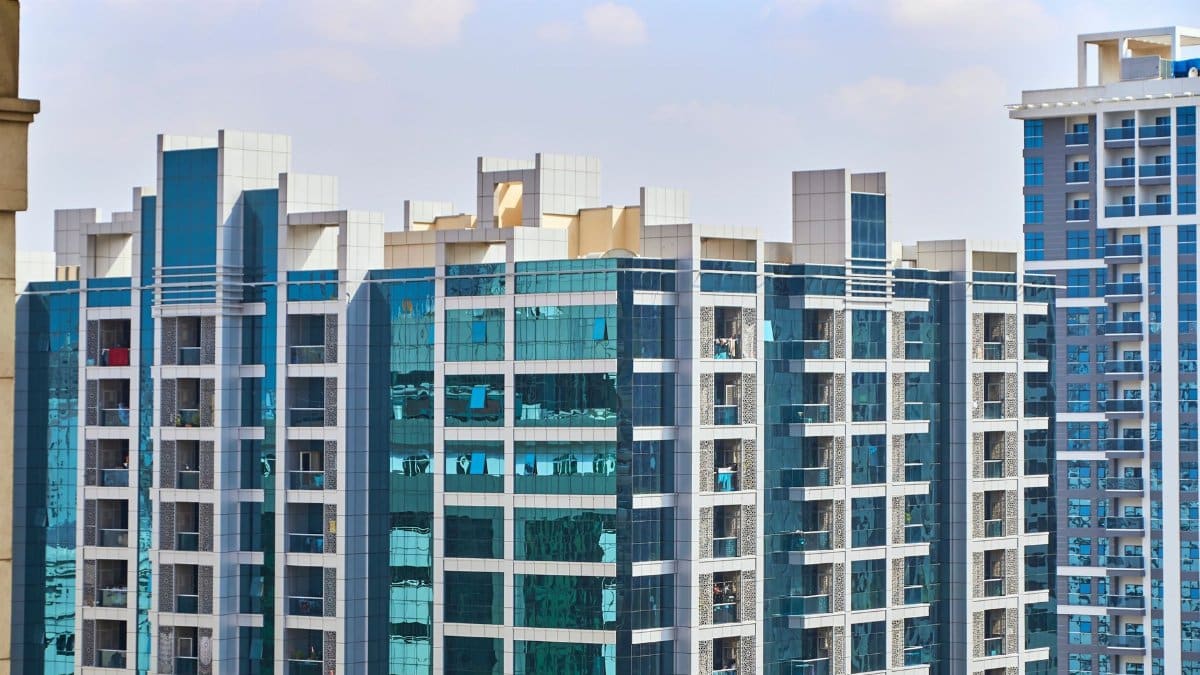
Large retail assets across major cities face similar headwinds from remote work trends and evolving retail models. Investors increasingly favor properties with clear paths to adaptive reuse, such as residential or office conversions. This deal’s collapse illustrates how financing remains tight for projects lacking immediate income stability. Analysts suggest that successful sales in the current climate often involve significant price adjustments or partnership structures to share risks.
Potential Paths Forward for the Site

Options under discussion include partial redevelopment or attraction of new anchor tenants with strong regional draw. City planning documents outline possibilities for integrating housing or entertainment components to increase daily activity. Any successful SF Centre mall sale would likely require collaboration between private interests and public agencies to align on zoning and support measures. Past examples from other cities show that patient capital and flexible design approaches can turn around comparable sites over several years.
Local Economic Ripple Effects

The property’s status influences employment in retail, security, and maintenance roles tied directly to its operations. Extended vacancy periods can dampen nearby commerce as reduced activity discourages additional investment. Community leaders monitor developments closely, advocating for outcomes that preserve some public access and contribute to street level vitality. Economic forecasts for the area depend partly on resolving the ownership question in a way that supports long term growth rather than short term speculation.
Lessons from Comparable Transactions

Other major markets provide examples of retail complexes that returned to the market multiple times before finding suitable buyers. Key factors in eventual success often involve realistic valuations and clear strategies for addressing deferred maintenance. Here, the process may benefit from greater transparency about required capital expenditures. Observers note that transparency can rebuild confidence among groups that previously withdrew.
Outlook for Future Ownership

Interest is expected from both domestic funds and international entities seeking urban footholds at adjusted prices. Success will hinge on aligning buyer vision with local regulatory expectations and community input. The restarted SF Centre mall sale process offers an opportunity to incorporate contemporary priorities such as sustainability features and flexible spaces. While timelines remain uncertain, the episode reinforces the need for adaptability in an evolving retail landscape.