

Imagine stepping into a high-stakes meeting, your heart racing, but a subtle scent grounding you with each breath. For many professionals across the U.S., this isn’t just a daydream—it’s the quiet power of confidence oil blends at work. These targeted essential oil mixtures, often combining notes like bergamot, rosemary, and frankincense, are gaining traction as a tool to boost self-assurance before pivotal career moments. From boardroom pitches to job interviews, people are turning to aromatherapy as a way to steady nerves and project poise. This isn’t about masking insecurity with a pleasant smell; it’s about harnessing the mind-body connection to influence mood and mindset. As stress continues to define modern work life in 2025, could these blends offer a practical edge? Let’s unpack how they work, why they resonate, and what science and stories reveal about their impact.
The Science Behind Scent and Confidence
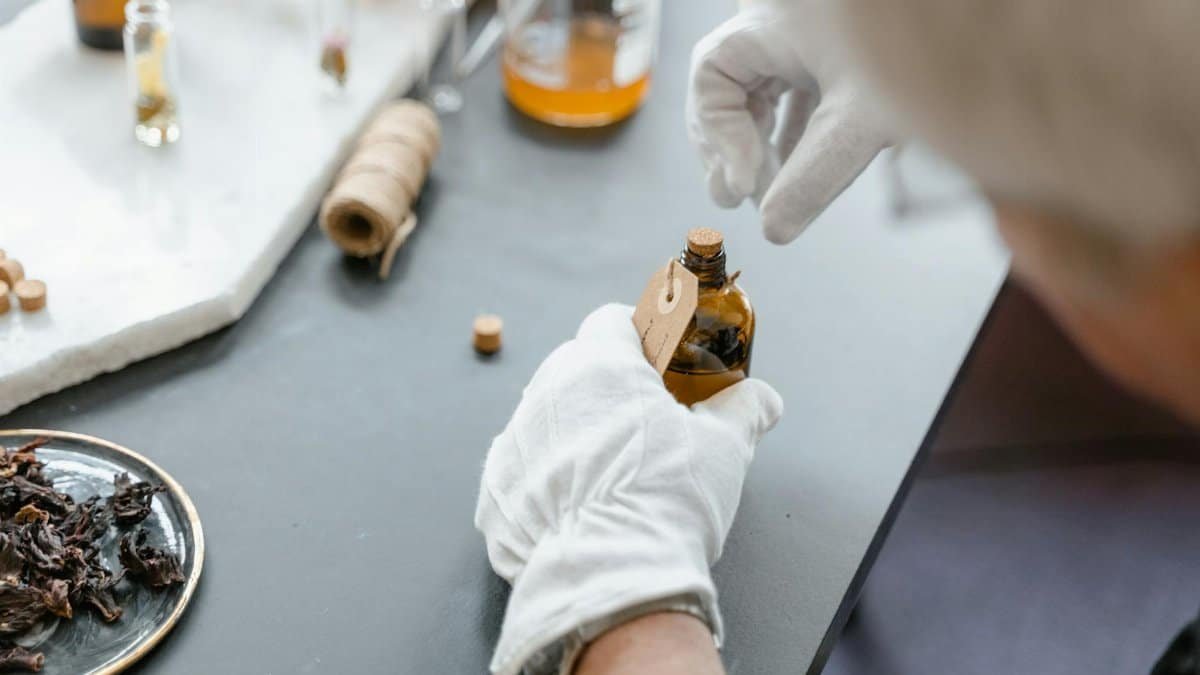
Our sense of smell is a direct line to the brain’s emotional center. When you inhale an essential oil, the olfactory system sends signals to the amygdala and hippocampus, areas tied to emotion and memory. Studies suggest this can influence mood almost instantly. A 2019 review by the National Institutes of Health found that certain aromas, like lavender and citrus, can reduce anxiety markers in clinical settings. For confidence oil blends, ingredients such as bergamot are often highlighted for their uplifting properties, potentially lowering cortisol levels. While not a cure-all, this physiological response explains why a quick whiff before a presentation might shift your mental state from rattled to ready. It’s less about magic and more about priming the mind through sensory cues.
Yet, skepticism persists. Not everyone feels a difference, and the placebo effect can’t be ruled out. Still, the growing body of research, including a 2020 study from Frontiers in Behavioral Neuroscience, shows aromatherapy’s measurable impact on stress reduction. For professionals facing daily pressure, even a small shift in perception can feel monumental.
Key Ingredients in Confidence Oil Blends
What goes into these career-boosting concoctions? Most blends lean on a handful of powerhouse essential oils, each chosen for specific emotional effects. Bergamot, with its bright citrusy edge, is a staple for lifting mood and easing tension. Rosemary often appears for its reputation in sharpening focus—a boon during a critical pitch. Frankincense, earthy and resinous, is prized for grounding, helping users feel centered amid chaos. Some blends add a dash of ylang-ylang for its calming floral notes, balancing the sharper scents.
These combinations aren’t random. Aromatherapists and brands craft them based on both tradition and emerging studies. The Mayo Clinic acknowledges that while evidence varies, certain oils consistently show promise in mood modulation. Users often report a synergy—where the whole blend feels more potent than any single oil—making these mixtures a go-to for high-pressure moments.
Real-World Applications in Career Settings

Picture a sales executive in Chicago, nervously pacing before a client meeting. She dabs a confidence oil blend on her wrists, inhales deeply, and feels a subtle shift—less jittery, more composed. This isn’t fiction; it’s a scenario playing out in offices nationwide. Professionals are using these blends as part of pre-game rituals, whether it’s a quick roll-on before a Zoom call or diffusing a blend in a home office. The portability of roll-on sticks or small vials makes them discreet enough for corporate environments.
One anonymous account shared online captured this vividly: after struggling with impostor syndrome during interviews, they started using a rosemary-heavy blend. “It didn’t make me a different person,” they noted, “but it reminded me to breathe and focus.” Such stories highlight how these oils often act as anchors, less about transformation and more about steadying the ship in stormy career waters.
Challenges and Misconceptions

Not every experience with confidence oil blends is a glowing success. Some users find the scents overwhelming or ineffective, especially if expectations are sky-high. There’s also the risk of skin irritation if oils aren’t diluted properly—undiluted essential oils can cause reactions, as warned by the Centers for Disease Control and Prevention. And let’s not ignore the cultural skepticism: in a results-driven workplace, relying on aromatherapy can feel frivolous or “woo-woo” to some colleagues.
Another hurdle is quality. The market is flooded with synthetic or low-grade oils that lack therapeutic value. Navigating this means researching brands or consulting certified aromatherapists, which adds a layer of effort. For every professional who swears by their blend, there’s another who shrugs, unconvinced. This tension—between promise and practicality—defines much of the conversation around these tools in 2025.
Pairing Blends With Mindset Practices

Confidence oil blends aren’t a standalone fix; they shine brightest when paired with intentional habits. Consider a tech worker in Seattle who uses a bergamot blend while practicing a five-minute breathing exercise before leading a team meeting. The scent becomes a sensory cue, reinforcing the calm achieved through mindfulness. Aromatherapists often stress this synergy—oils amplify existing efforts rather than replace them.
Visualization is another common pairing. Inhaling a grounding frankincense mix while mentally rehearsing a successful outcome can cement a positive loop. It’s not about the oil doing the heavy lifting but about creating a ritual that signals readiness. This layered approach turns a simple scent into a broader strategy, one that’s catching on among career-driven individuals seeking every possible edge.
Cultural Shifts and Growing Acceptance

A decade ago, using essential oils for career confidence might have raised eyebrows in most U.S. workplaces. Today, it’s part of a broader wellness wave. With mental health discussions more mainstream, tools once seen as alternative—like aromatherapy—are finding a foothold. Walk through coworking spaces in cities like Austin or San Francisco, and you might catch whiffs of diffused oils or overhear chats about personal blends. This normalization ties into a larger 2025 trend: holistic approaches to workplace stress are no longer niche.
Companies are even catching on, with some offering wellness programs that include aromatherapy workshops. It’s a small but telling shift, reflecting a hunger for solutions that address the human side of professional life. Confidence oil blends, once a personal secret, are becoming a shared language for navigating career pressures with a bit more grace.
How to Choose and Use Your Blend

Starting with confidence oil blends doesn’t require a deep dive into aromatherapy lore. First, identify your needs—do you want focus, calm, or a mood lift? Match that to oils known for those effects: rosemary for clarity, lavender for relaxation. Stick to reputable brands that list pure ingredients and avoid vague “fragrance” labels. Small batches or single-origin oils often signal better quality.
Application is simple. Dilute with a carrier oil like jojoba if applying to skin—never use undiluted. A drop on a tissue or in a portable diffuser works for on-the-go moments. Test it at home first to gauge your reaction. And remember, consistency matters. Using a blend regularly, especially tied to a pre-work ritual, can build its association with confidence over time. It’s less about instant results and more about crafting a reliable cue for your mind.