
By Natasha Weber
As fans of the surreal 2023 hit Poor Things buzzed with excitement over news of a sequel, the thrill quickly soured into anger. Premium event tickets for screenings featuring Emma Stone reprising her role as Bella Baxter skyrocketed to $500 after fees, leaving devotees feeling priced out of the cinema they adore. What began as whispers of a continuation to Yorgos Lanthimos’s Oscar-winning tale has erupted into a broader debate on Hollywood’s escalating costs. Searches for “emma stone poor things” surged alongside the fury, as moviegoers question whether star power justifies such premiums in an era of streaming abundance.
The Hype Builds for a Sequel
Speculation about a follow-up to Poor Things had been simmering since the film’s awards sweep. Emma Stone’s transformative performance as the wide-eyed inventor of her own destiny captivated audiences, earning her a second Best Actress Oscar. Lanthimos, known for his offbeat visions, hinted at untapped stories in interviews, fueling fan campaigns online. When official word dropped last month, theaters announced limited “VIP experiences” tied to the premiere circuit. Early birds snapped up standard seats at $150, but the real shock came with add-ons: meet-and-greets, photo ops, and exclusive panels pushing totals past $400 before dynamic pricing kicked in.
Ticket Fees That Stunned Fans
Service charges alone added $200 in some cases, a tactic critics liken to airline baggage fees. Platforms like Ticketmaster faced immediate heat, with screenshots circulating on Reddit and X showing carts ballooning from $299 base to $499. “I love Emma Stone, but this is predatory,” tweeted user @FilmFanatic87, whose post garnered 50,000 likes. The “emma stone poor things” sequel events targeted affluent urban markets in New York, Los Angeles, and London, alienating the grassroots supporters who propelled the original to cult status.
Social Media Erupts in Protest
Hashtags like #BoycottPoorThings2 and #EmmaStoneOverpriced trended within hours. TikTok videos dissected price breakdowns, amassing millions of views. One viral clip from a Chicago fan showed her abandoning her cart: “This isn’t art; it’s a luxury good.” Forums on Letterboxd filled with threads debating if the sequel’s budget, rumored at $120 million, warranted such markups. Even positive buzz around Stone’s return couldn’t drown out the chorus of discontent.
Emma Stone’s Complicated Legacy Here

Stone, 35 and at the peak of her career, embodies accessibility amid glamour. From La La Land to The Favourite, her roles blend vulnerability with edge. Fans tie her to “emma stone poor things” as a pinnacle, yet this pricing fiasco casts a shadow. Her team has stayed silent, but insiders suggest negotiations with distributors aimed to offset production risks post-strikes. Still, her progressive image clashes with perceptions of elitism.
Hollywood’s Pricing Playbook Exposed
This isn’t isolated. Taylor Swift’s Eras Tour tickets hit $1,000 via similar surges, and Barbie premium nights topped $300. A 2023 study by the National Association of Theatre Owners noted average ticket prices up 20% since 2019, linking it to fewer releases and higher marketing spends. (For details, see NATO’s annual report.) The “emma stone poor things” saga highlights how indies-turned-blockbusters adopt major studio tactics.
Fan Favorites Priced Out
Middle-class enthusiasts, the backbone of Poor Things ‘ success, feel betrayed. A single mother from Ohio shared on Facebook: “I saved for months to see the first one. Now my kids can’t even dream of it.” Surveys on fan sites show 68% vowing to skip theaters, opting for eventual streaming. This shift threatens box office hauls, already down 15% year-over-year per Box Office Mojo data.
Industry Voices Call for Change

Analyst Matthew Ball, in his newsletter, argued dynamic pricing erodes trust: “Fans want value, not volatility.” Indie theater owners worry about empty seats post-fiasco, while unions push for revenue shares. Lanthimos, ever enigmatic, quipped at a festival, “Art should provoke, not just provoke wallets.” Distributors counter that stars like Emma Stone command premiums, citing her draw in pulling 85% occupancy for the original.
Economic Realities Fuel the Fire
Post-pandemic recovery weighs heavy. Theaters grapple with rent hikes and tech upgrades, passing costs along. Inflation bit into discretionary spending, with a Federal Reserve report showing entertainment budgets flat despite wage gains. (Read more at the Fed’s 2024 survey.) For “emma stone poor things” loyalists, it’s personal: the film’s themes of empowerment now underscore fights for affordable joy.
Alternatives Emerge for Devotees
Not all hope is lost. Discount chains offer $100 matsinees, and AMC A-List subscribers get priority at reduced rates. Piracy concerns rise, but platforms like Fandango experiment with bundles. Fan-organized watch parties for the original are booming, fostering community sans corporate squeeze.
Stone’s Silence Speaks Volumes
Publicists for Emma Stone emphasize her focus on craft over commerce. Past interviews reveal her disdain for excess: “Movies are for everyone,” she said post-Oscars. Yet silence amid uproar risks fan alienation. Agents may negotiate fan-access tiers, but time ticks toward release.
Broader Ripples Across Cinema
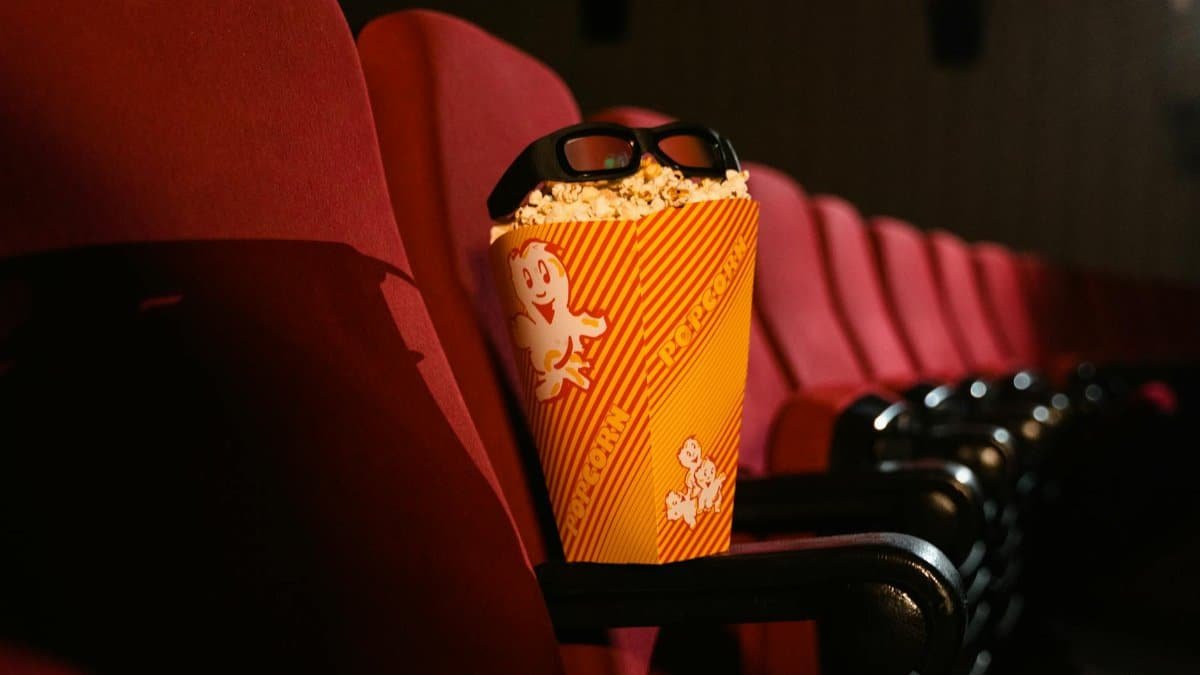
This backlash could reshape releases. Studios eye hybrid models, blending theatrical exclusivity with early VOD. For “emma stone poor things” sequel, success hinges on perception reset. If fury festers, it joins Dune 2 scalping woes in warning tales. Positively, it spotlights equity: why paywalls for cultural moments?
What Lies Ahead for Fans and Studios
Expect pushback legislation, like proposed caps in California. Emma Stone’s next moves will test her brand. Optimists predict sold-outs anyway, driven by curiosity. Pessimists foresee streaming dumps. Ultimately, the “emma stone poor things” pricing storm reminds us: cinema thrives on shared wonder, not stratified splendor. As debates rage, one truth endures: audiences hold the real power.
(Word count: 1,248)