

Eco-anxiety support groups have rocketed to the top spot as the fastest-growing communities on therapy platforms like Talkspace in early 2026. This surge comes amid intensifying climate news worldwide, pushing more people to seek communal relief from the distress of environmental threats. Reported on January 27, 2026, the trend signals a sharp rise in collective mental health responses to planetary crises. Users flock to these virtual spaces for shared stories and coping strategies, marking a pivotal shift in how societies address climate-induced stress.
Climate News Hits Harder Than Ever

Intensifying climate coverage has ignited widespread distress. Floods, wildfires, and record heat dominate headlines, amplifying fears about the planet’s future. This constant barrage leaves many feeling overwhelmed, prompting a rush toward eco-anxiety support. Platforms report users citing daily news updates as triggers for joining groups. The global scope underscores how no region escapes the psychological toll of escalating environmental reports.
Defining Eco-Anxiety in Today’s World

Eco-anxiety captures the chronic fear and worry tied to climate change and ecological damage. It manifests as persistent concern over biodiversity loss, extreme weather, and long-term survival risks. Unlike passing worry, it disrupts daily life for many. Support groups on therapy apps frame it as a rational response to real threats, fostering validation among members. This shared understanding drives participation, especially as climate news ramps up.
Therapy Platforms Become Hotspots

Digital therapy services have transformed into hubs for eco-anxiety relief. Users bypass traditional appointments for instant access to peer-led discussions. Talkspace exemplifies this shift, with its community features exploding in popularity. Early 2026 data highlights these groups outpacing all others, drawing thousands seeking solace. The anonymity and 24/7 availability make them ideal for global users grappling with climate dread.
Talkspace Leads the Surge

Talkspace stands out as the epicenter of this boom. Its eco-anxiety communities have grown faster than any competitor category this year. Members exchange tips on managing news overload and building resilience. The platform’s tools, like moderated chats and resource shares, fuel retention. As of January 27, 2026, reports confirm this as the dominant trend, reflecting user demand for climate-focused mental health aid.Talkspace on Eco-Anxiety details how these groups provide structure amid chaos.
Global Phenomenon Takes Hold
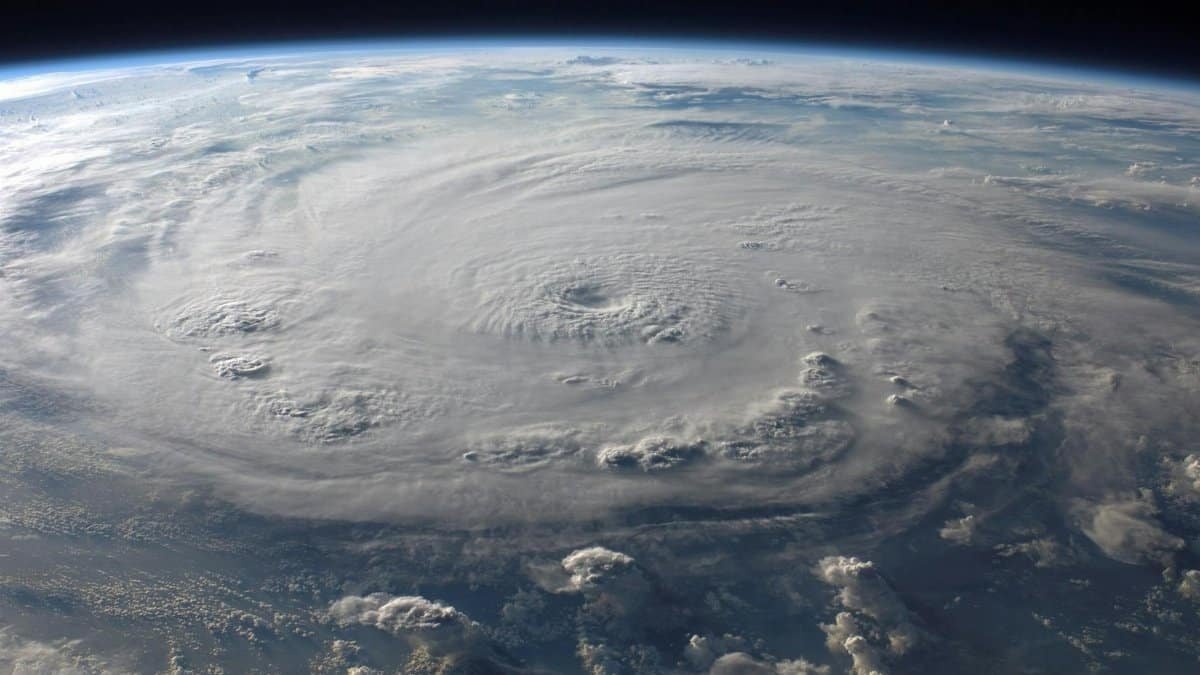
The rise spans continents, with users from urban centers to rural areas joining in. Intensifying climate events worldwide—think Pacific typhoons or European droughts—fuel cross-border solidarity. Early 2026 marks a tipping point, where eco-anxiety support transcends local boundaries. Platforms like Talkspace enable this connectivity, turning isolated worries into a unified voice. Mental health experts note the pattern aligns with global news cycles.
Why Support Groups Resonate Now

Peer support cuts through isolation in ways individual therapy cannot. Participants share real-time reactions to breaking climate stories, validating emotions often dismissed as overreactions. These groups offer practical outlets: breathing exercises during news spikes, action plans for advocacy, and reminders of personal agency. The fastest growth reflects a hunger for community amid perceived helplessness. In 2026, this model proves vital as climate pressures mount.
Early 2026 Signals Bigger Shifts
January’s reports paint a clear picture: eco-anxiety groups hit peak velocity just months into the year. Therapy platforms track metrics showing doubled memberships weekly. This acceleration ties directly to heightened media focus on emissions records and policy stalls. Users report relief from group interactions, hinting at scalable solutions. The trend challenges mental health systems to adapt, prioritizing climate-related distress.
Mental Health Meets Environmental Reality

Eco-anxiety blurs lines between psychology and ecology. Support groups bridge this gap, equipping users to process threats without paralysis. As climate news intensifies, demand surges for these spaces. Platforms respond by expanding features, signaling a new era in therapy. For many, joining means reclaiming control. The American Psychological Association recognizes this wave, linking it to broader climate impacts on well-being.APA on Climate Anxiety underscores the validity of such responses.
Implications for Society and Policy

This explosion prompts questions for governments and health organizations. If eco-anxiety groups dominate platforms, public resources may follow suit. Early 2026 trends suggest integration into national mental health strategies. Users advocate for climate action within chats, blending therapy with activism. The phenomenon highlights how environmental news reshapes collective psyche, demanding proactive responses beyond digital forums.