
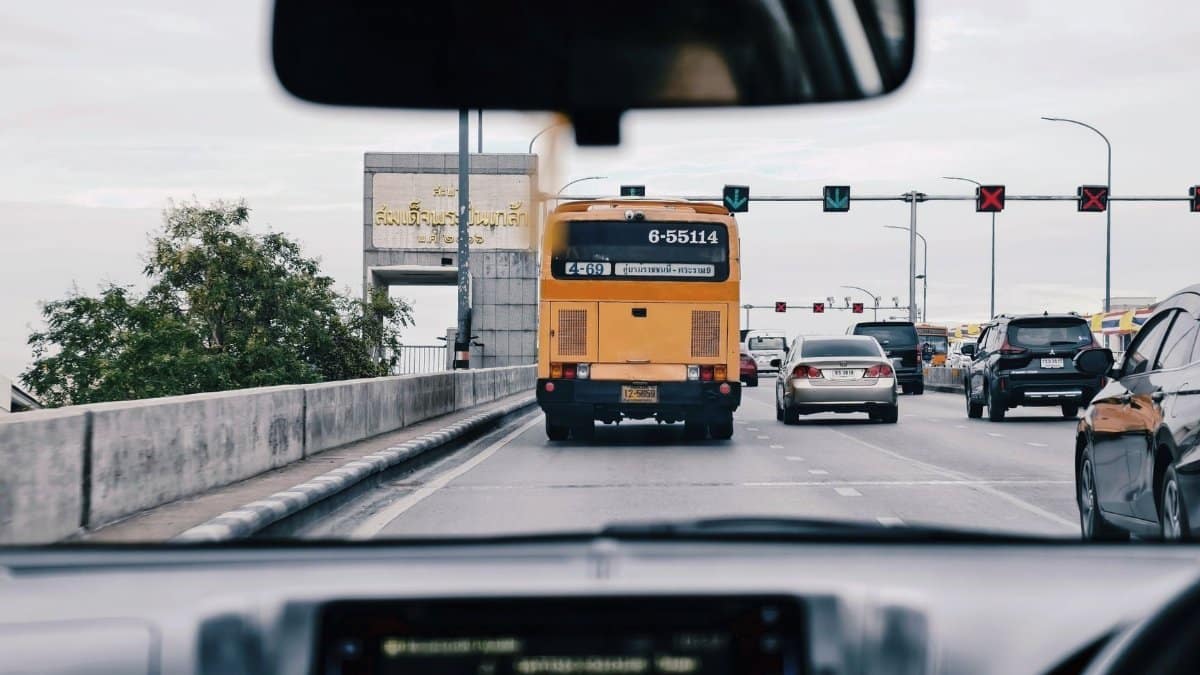
Before the turkey is even in the oven, the westbound lanes out of Harris County already tell the story. Brake lights stack up near Cypress, coffee cools in cup holders, and a drive that feels ordinary on a quiet Tuesday turns into a test of patience. For anyone leaving the city for family in the capital, Thanksgiving traffic Houston is less a headline than a lived delay, measured in extra miles of creeping taillights and a clock that refuses to cooperate. The Houston Chronicle, drawing on holiday travel modeling, reports that the trip to Austin is expected to peak on Nov. 29 and stretch to about 3 hours and 36 minutes, well beyond the uncongested run many drivers still imagine when they check a map at the kitchen table.
When the slowest miles arrive
The worst of the holiday is rarely a single dramatic jam. It is a long plateau. Departures bunch on the days when offices close early and schools are already dark, then again when people try to get home before Monday work. For the Houston to Austin run, the Chronicle points to Nov. 29 as the peak, a Saturday return that collides with shoppers, airport runs, and families who left on Wednesday and now want their own beds. A normal drive can sit near three hours when the pavement is clear. Add holiday volume and the same corridor asks for roughly 3 hours and 36 minutes, according to that reporting. That extra half hour is not spread evenly. It collects at merges, at small town signals, and on the final approach into Travis County, where local traffic never fully left the road.
Drivers who treat the forecast as a suggestion rather than a schedule tend to meet the delay at its thickest. Leaving after lunch on the peak day, or timing a return so that it lands in late afternoon, puts a car into the same window as thousands of others making the identical calculation. The modeling does not promise a precise minute of misery. It does mark the period when the odds turn against a quick trip.
The route that looks short on a map

On paper, Austin sits a little more than 160 miles west of downtown Houston. In practice the choice of road decides whether that distance feels manageable. Many drivers favor US 290 through Hempstead and Brenham, a corridor that serves both long trips and a thick band of suburban errands. Others drop south to Interstate 10, then cut northwest on State Highway 71 through Columbus and Bastrop. A third group pays for Texas 130 on the eastern edge of Austin, trading tolls for a bypass of the urban core.
None of those paths is empty on a holiday weekend. US 290 carries commuters from Cypress, Waller, and Prairie View before it ever reaches the Hill Country towns that slow traffic with signals and driveways. Interstate 10 west of Houston is a freight spine as well as a family route, so a stalled truck or a work zone can ripple for miles. State Highway 71 looks calmer until Bastrop and the climb toward Austin, where local volume stacks on top of through traffic. The map shrinks the problem. The exits enlarge it.
What the holiday forecast actually says

AAA has projected that about 5.7 million Texans will travel over the Thanksgiving period, a statewide surge that shows up on highways, in airport security lines, and on intercity buses. That figure, highlighted in coverage of Thanksgiving traffic Houston, is not a count of cars on one freeway. It is a measure of how many people intend to move at all. When that many residents leave home in the same long weekend, even a well designed corridor runs out of spare capacity. The Houston to Austin drive is only one thread in that cloth, but it is a thick one, tying the state’s largest city to its capital and to the universities, state offices, and family networks in between.
Readers who want the underlying travel outlook can start with AAA’s newsroom and with the Chronicle’s transportation report at houstonchronicle.com. Those sources are more useful than a social media screenshot of a red map, which captures a moment and not the shape of the day.
Wednesday night versus Thanksgiving morning

Not every painful hour falls on the reported peak. The Wednesday before the holiday has its own reputation. Offices release people in waves. Parents pick up children. Luggage goes into trunks while the sun is still high, and by dusk the outbound lanes are full of drivers who believed an early exit would buy them an empty road. Sometimes it does. Often it only moves the crowd forward by an hour.
Thanksgiving morning is a different animal. Some families refuse to drive on the holiday itself and are already at the table. Others treat Thursday as the one quiet window, leaving after breakfast in the hope that everyone else stayed home. That bet works until enough people make it. The result is a lighter but still unpredictable stream, with gaps near dawn and thickening traffic once church services and late brunches end. For Thanksgiving traffic Houston, Wednesday is usually the departure crush and Saturday the return crush. Thursday sits in between, calmer than the shoulders of the weekend and never quite empty.
The return that punishes Sunday drivers

Sunday carries its own myth: leave after lunch, miss the worst, arrive before dark. On a holiday weekend the myth frays. People who hosted relatives want the house back. Students have Monday classes. Workers who took only Thursday and Friday off are already calculating alarm clocks. The westbound and eastbound problems swap places. Cars that flowed toward Austin on Wednesday flow back toward Houston on Sunday, and the same bottlenecks reappear in reverse.
The Nov. 29 peak flagged in the Chronicle’s account is a reminder that Saturday can be worse than the traditional Sunday return, especially when the calendar gives people an extra day and they use it to linger. A driver who assumes Sunday is always the villain may sail into a Saturday jam they did not budget for. The safer reading is simpler. Both days can hurt. The modeled worst case this year lands on Saturday, with a Houston to Austin time near 3 hours and 36 minutes, and Sunday remains a day to treat with respect rather than optimism.
Construction zones and weather that do not pause

Holiday volume would be enough. It rarely arrives alone. Work zones on US 290, Interstate 10, and the Austin approaches narrow lanes and erase shoulders just as drivers are least willing to slow down. A cone line that is a minor nuisance at 10 a.m. on a Tuesday becomes a mile of brake lights when every lane is full. Rain makes it worse. Gulf moisture does not consult the calendar. A fast moving storm can drop visibility on the prairie between Hempstead and Giddings and turn a predictable delay into a stop and go crawl with standing water at the edges.
Fog is the quieter hazard, especially in low stretches near creeks and river bottoms in the early morning. Drivers who left at 4 a.m. to beat the crowd sometimes meet a gray wall instead of an open freeway. Speed limits in work zones are not suggestions, and a holiday does not suspend them. The agencies that set those limits cannot clear a storm. They can only warn. Checking a forecast the night before is dull advice and still the difference between a tense drive and a dangerous one.
Toll roads and the Austin approach
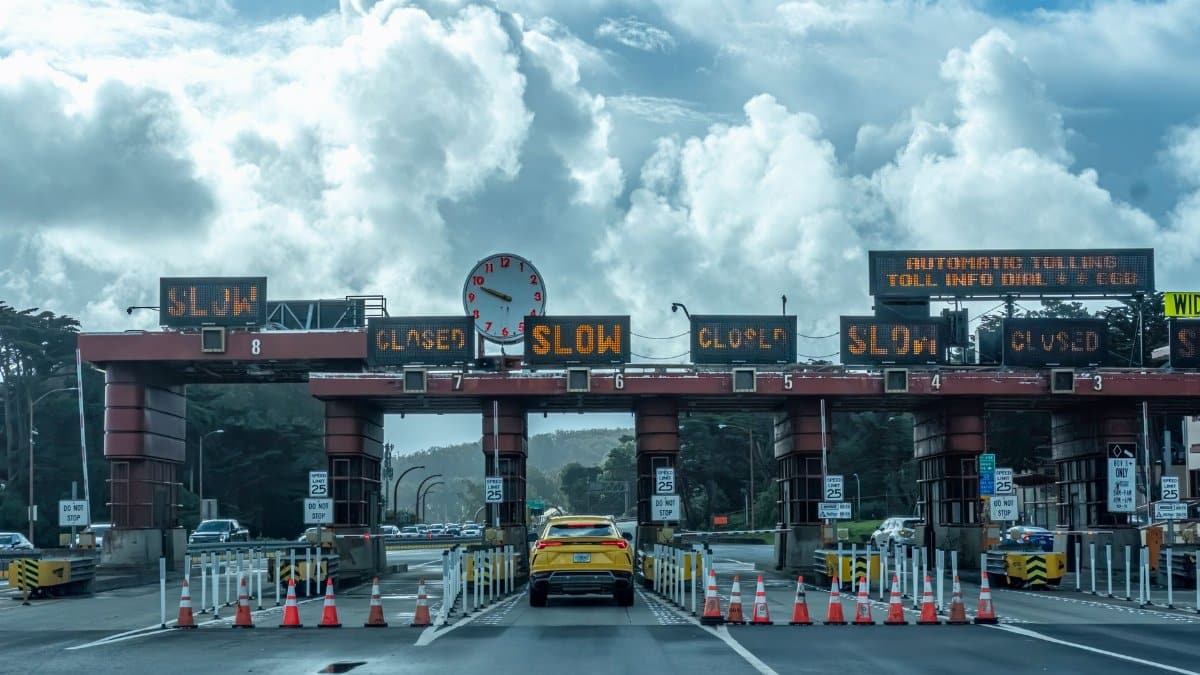
Once the Hill Country towns fall behind, the problem changes character. Austin’s own traffic does not take Thanksgiving off in any complete way. Residents still shop, visit, and shuttle relatives to the airport. Texas 130 can spare a through driver the worst of Interstate 35, at a price that some households accept and others refuse. The bypass is not magic. It dumps vehicles back into the network at predictable points, and those merge areas jam when everyone has the same idea.
Downtown Austin, the university area, and the corridors toward Round Rock each add a last chapter the Houston driver did not see on the long rural stretch. A trip that ran smoothly past Brenham can still lose twenty minutes between the city limit and a front door in South Austin. Building that last segment into the plan matters as much as the departure time. Hosts who live near a congested arterial might suggest a park and a short rideshare for the final mile, or a meeting point off the main road. Small choices at the end of the drive often save more time than arguing over which rural highway looked greener at dawn.
Buses, trains, and the choice to fly
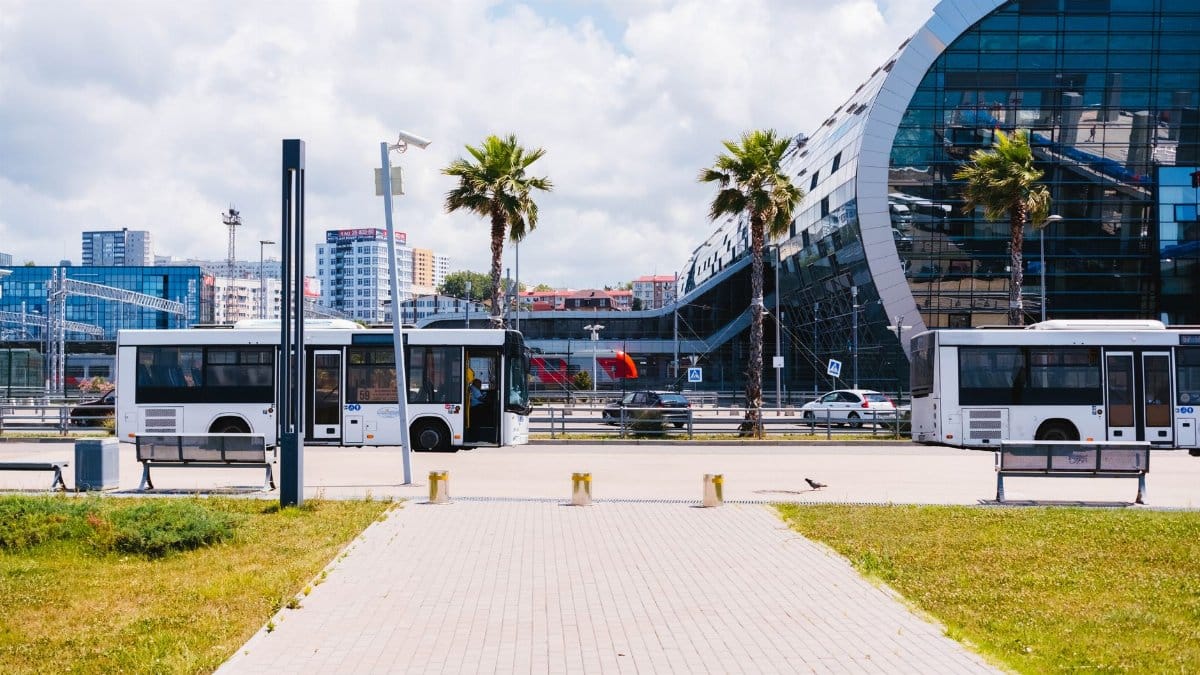
Not everyone has to sit in the driver’s seat. Intercity buses between Houston and Austin sell out on peak holiday runs, and the people who book early trade control of the clock for a seat and a chance to sleep. Flying looks absurd for 160 miles until the highway forecast crosses three and a half hours and a parking garage at the airport starts to seem rational. It rarely is, once security, boarding, and the ride from Austin’s airport into town are added up. For some travelers the arithmetic still favors the plane, especially if the alternative is a night drive after a long shift.
Rail remains a thin option in this corridor compared with the Northeast, which is a policy fact more than a personal failing. The practical menu is car, bus, or a flight that may not save the time it promises. Households comparing those choices should price the bus before they assume the highway is the only adult decision. A full coach is not glamorous. It also does not ask anyone to referee a merge at dusk with a trunk full of pies.
How families in the region are changing plans

The interesting shift is not technological. It is social. More hosts are moving the main meal to Friday, or asking out of town relatives to arrive Tuesday night and leave Saturday morning, specifically to dodge the thickest bands of Thanksgiving traffic Houston. That reshuffling does not shrink the total number of trips. It spreads them. A region that once pulsed on Wednesday and Sunday now pulses across four days, which is why a single peak date can surprise people who still plan by old habit.
There is a quieter cost. Grandparents who cannot drive at night lose the early departure window. Shift workers in hospitals and plants do not get to pick a charming off peak hour. The forecast of 5.7 million Texas travelers includes people for whom the trip is not optional and not flexible. Any honest account of the delay has to hold both facts: many drivers can leave earlier than they think, and some cannot leave at all until the shift ends.
What local agencies can and cannot fix

Transportation departments can stage tow trucks, extend service patrols, and hold nonessential lane closures. They cannot add a lane for a four day weekend and take it away on Monday. The Houston to Austin corridor has been widened in pieces for years, and those projects help on ordinary afternoons. They do not repeal a holiday when millions of Texans move at once. Public messaging about peak hours is the tool that scales. It works only if drivers treat it as information rather than as a challenge to outsmart the crowd.
Law enforcement presence rises on the same days, aimed less at revenue than at the crashes that turn a slow freeway into a closed one. Impairment, fatigue, and speed in the gaps between jams remain the serious risks. A delay of thirty six extra minutes is an inconvenience. A crash in a work zone is not. The agencies asking people to slow down are not decorating the holiday. They are trying to keep a predictable jam from becoming a fatal one.
Reading the delay without the drama

It is tempting to treat the annual crawl as proof that the region has failed at basic mobility. The fairer reading is narrower. A state that expects 5.7 million Thanksgiving travelers will have crowded roads, and a 160 mile link between its largest city and its capital will show that crowding in a very visible way. The Chronicle’s figure of about 3 hours and 36 minutes on Nov. 29 is a planning number, not a moral verdict. Use it. Leave outside the peak if the calendar allows. Pick the route for the hour you will actually drive, not for the hour you wish you had left. Check weather and work zones the night before. Tell the people waiting in Austin that the map was optimistic.
The meal will still be there if the car is late. The road will not become shorter because anyone is annoyed at it. For this weekend, the useful skill is modest: know when Thanksgiving traffic Houston is likely to be at its worst, and decide, while there is still a choice, whether to meet that hour or to step around it.