
On evenings when Doral usually hums with after work dinners, some dining rooms have gone quiet enough that servers can hear the kitchen more clearly than the street. Owners describe regulars who used to come twice a week and now send a text instead of walking in. In interviews gathered by the Miami Herald, Doral businesses say fear of immigration enforcement is keeping customers away, with reported sales drops ranging from 40 percent to 90 percent.
What the merchants are actually saying
The claim is not that every shop has closed or that every customer has left town. It is more specific and, for the people who pay rent, more painful. Merchants say foot traffic has thinned, large family tables have become rare, and delivery orders have not replaced the lost visits. Some owners told reporters they are cutting hours, sending staff home early, or delaying purchases they would normally make from other local vendors.
Those percentages, 40 percent at the low end and 90 percent at the high end, come from the businesses themselves rather than from a single government ledger. Self reported losses can be uneven. A restaurant that depends on weekend groups will feel a scare differently from a warehouse that invoices other firms. Still, when many owners describe the same pattern in the same weeks, the chorus is hard to dismiss as one bad month.
Readers should hold two ideas at once. Fear can suppress spending even when a particular block has not seen an arrest. And a slump that begins in perception can become a slump in payroll if it lasts.
A tax line that moved against the county

Anecdote is one kind of evidence. Tax collections are another. Through September, restaurant tax collections in the city fell 2 percent, according to the same Herald account, while the countywide total rose 12 percent. That gap matters because it compares Doral with the wider Miami Dade market in the same period, under the same regional economy, the same weather, and the same tourist calendar.
A 2 percent decline is not a collapse on its own. Cities absorb soft months all the time. What stands out is the direction. If the county is collecting more from restaurants and this city is collecting less, something local is pulling against the tide. Immigration fear is the explanation merchants offer. It is not the only possible cause. A road project, a shift in office attendance, or a cluster of renovations could also dent receipts. The tax figure does not name a cause. It does make the merchants harder to wave away.
The Herald report is here: Miami Herald coverage of Doral businesses and immigration fears.
A suburb organized around arrival

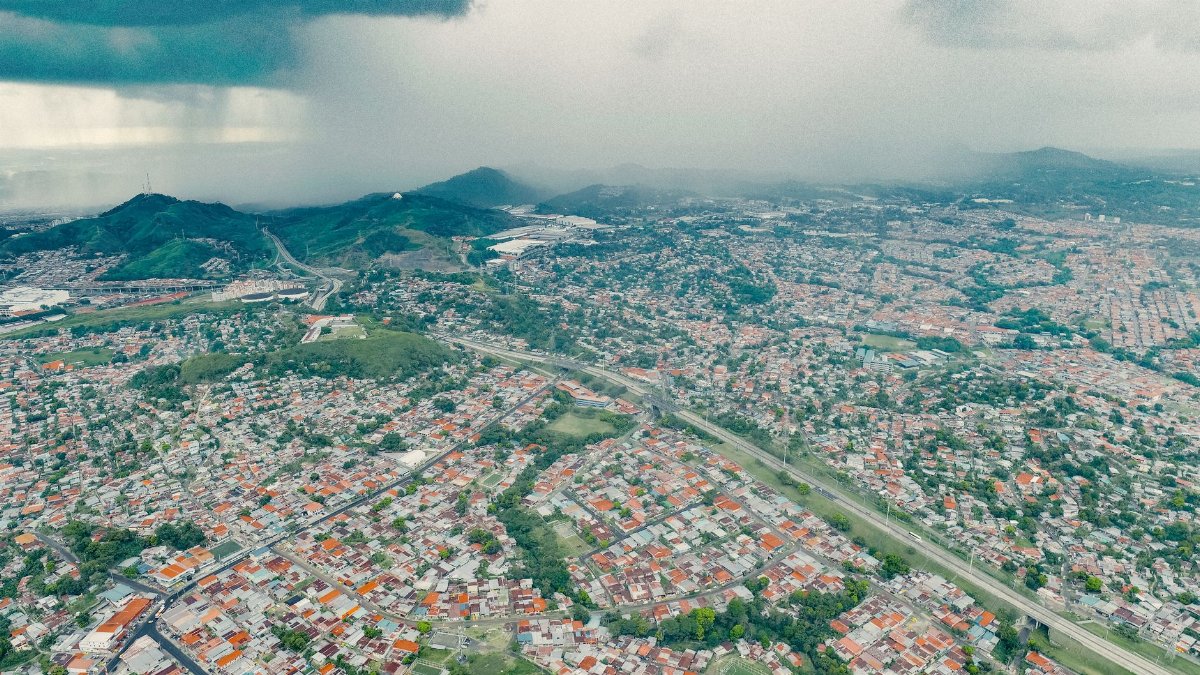
Doral sits west of Miami, a grid of corporate parks, warehouses, golf course edges, and strip retail that filled in fast over the last generation. Its civic identity has long been tied to people who arrived from somewhere else and then built a life that looked, from the outside, like any other Florida suburb. Venezuelan, Colombian, Cuban, and other Latin American communities are not a side note in this city. They are a large share of who lives here, who cooks here, and who spends here.
That history helps explain why an enforcement climate lands so heavily on ordinary commerce. A customer base with mixed immigration status, or with relatives of mixed status, does not shop only for people who hold papers. Households decide together. If one person in a family is afraid to drive, the whole table stays home. If a parent worries about a traffic stop on the way to a birthday dinner, the party moves to a private kitchen.
The spending that disappears is not only discretionary luxury. It is haircuts, school uniforms, tires, and the weekday lunch that keeps a small counter open between breakfast and dinner.
Fear moves faster than a confirmed stop

Enforcement does not have to touch every intersection to change behavior. A video, a rumor in a group chat, a story about a relative in another city, or a visible federal presence near a major road can be enough. People who have lived through unstable governments are often quick to read risk, and South Florida has many such residents. They do not wait for a formal notice before they alter a routine.
That speed creates a measurement problem for journalists and for city hall. Arrest totals, if they are public, lag the week in which restaurants first notice empty seats. Merchants cannot always say whether a customer left because of a real encounter or because of a warning that turned out to be secondhand. From the cash register, the distinction is academic. The seat is empty either way.
It is also why calming messages are hard to land. A mayor can say that local police are not running federal immigration operations. A family can still decide that the highway is not worth it this Saturday.
Restaurants register the absence first

Sit down restaurants are a sensitive gauge because they sell presence, not just food. A grocery can still ring up a quick trip. A restaurant needs people willing to linger, to park, to wait for a table, to bring children. When fear rises, that kind of outing is among the first to be cut.
Owners describe a particular quiet: fewer large parties, more no shows, more requests to pack a meal that used to be eaten in the room. Tips fall with covers, which means the pain is not confined to the person whose name is on the lease. A server who depends on weekend shifts feels a 40 percent drop as rent trouble of their own. A dishwasher whose hours shrink may have less margin than the owner who is speaking to a reporter.
The county comparison makes this sector especially relevant. Restaurant taxes rose across Miami Dade and slipped in the city. If the story were only that diners had grown tired of going out, the county line would likely have softened too. The divergence suggests a local chill.
Workers do the same math as customers

Customers are only half the labor of a commercial street. Employees also decide whether a shift is worth the drive. Some workers live outside the city and cross several jurisdictions to reach a kitchen or a shop floor. If they believe checkpoints or targeted stops are more likely on that route, they call out, arrive late, or look for work closer to home.
Businesses then face a double bind. Demand is down, and the staff who remain may be stretched or anxious. Training a replacement is costly when the owner is already cutting inventory. Some firms in Doral serve other firms, not only walk in clients. A logistics yard or a professional office can lose hours if drivers or cleaners stay away, even if the client list looks unchanged on paper.
This is how a fear concentrated in immigrant households becomes a general employment story. The person who loses shifts may be a citizen. The supplier who gets a smaller order may be based in another town. Economic fear does not check documents before it spreads.
What a city government can and cannot promise

Municipal leaders do not set federal enforcement priorities. They can publish what local officers will and will not do, they can point residents toward legal aid, and they can listen when merchants say a corridor is hurting. They cannot, by proclamation, make a family feel safe on a highway the city does not control.
That limit should be stated plainly, because vague reassurance can backfire. If officials imply that no one is at risk and residents later see a federal action nearby, trust drops further and spending may drop with it. Clear information about rights, about which agencies are operating, and about how to report impersonation or scams is more useful than a slogan.
City budgets also feel the second round. Restaurant taxes, business fees, and the spending that supports property values are part of how a suburb pays for parks, police, and street repair. A 2 percent dip in one tax is manageable. A long slide in confidence is not, because it compounds.
Rumors, scams, and the duty to be precise

Periods of high anxiety are fertile ground for bad information. False alerts about raids can empty a plaza as effectively as a real operation. People posing as lawyers or as officials can demand money from families who are already scared. Merchants can lose a Saturday to a message that no agency ever sent.
Precision is a public service in that climate. Reporters should say when a sales figure is an owner estimate and when it is a tax receipt. Officials should correct false location rumors quickly. Residents should treat unsourced voice notes with the same skepticism they would bring to any other financial decision. None of that diminishes real fear. It keeps the record from becoming a second source of harm.
The Herald figures now in circulation are specific enough to anchor a conversation: merchant estimates of 40 percent to 90 percent sales declines, a 2 percent drop in city restaurant tax collections, and a 12 percent rise countywide through September. Anything beyond those claims needs its own documentation.
Faith communities and the private rooms where people still gather

When public rooms empty, private ones often fill. In a city with deep church, parish, and mosque networks, clergy and lay leaders hear the same stories merchants hear, sometimes earlier. A family skips a restaurant and still shows up for a weeknight service, or skips both and asks a pastor to visit the apartment instead. Spiritual communities do not replace a sales tax base. They do reveal where trust has gone.
Some congregations have long experience accompanying immigrants through court dates, translations, and the ordinary crises of rent and illness. That work is not a substitute for federal policy, and it is not a marketing plan for a shopping street. It does explain why a commercial slump and a pastoral surge can be the same event seen from two doors. People are not only withholding dollars. They are reorganizing their lives around rooms they believe are safer.
Journalists should be careful not to turn that care into a colorful aside. For many residents it is the main institution still asking how they are, by name, without a receipt.
How to read a slump without flattening it

A careful reader can reject two easy stories. One says that any complaint from an owner is politics in disguise and that the tax dip is noise. The other says that every empty chair is proof of a raid on that block and that the county boom makes Doral a unique victim with no other causes worth testing. The evidence in public so far supports a narrower claim. Merchants report severe losses tied to fear of immigration officers, and a city restaurant tax moved down while the county moved up.
Further reporting can test that claim. Month by month tax tables, hotel and office occupancy, construction detours, and crime or enforcement logs would show whether the divergence persists after September and whether it is confined to customer facing rooms. Owners can also say whether the worst weeks match visible enforcement or merely match rumors. Those are answerable questions. They do not require anyone to sneer at a person who is afraid to drive to dinner.
The bill a suburb pays for a climate of fear
Doral has spent years selling itself as a place where newcomers build companies, buy houses, and fill restaurants on a Thursday. That pitch depends on a boring confidence: that a person can move through the city for ordinary errands without treating each trip as a risk calculation. When that confidence breaks, the loss shows up in places that do not look like a policy debate. It shows up in a shorter shift, a canceled quince dinner, a supplier who gets paid late.
Doral businesses are asking the public to notice that chain before it hardens into closed signs and vacant bays. The tax comparison is an early, imperfect signal, not a final verdict. It is enough to justify attention from city hall, from county budget writers, and from readers who think immigration enforcement is something that happens far from a suburban receipt.
What to know, in short, is this. The people who run the counters say fear is driving customers away, and they are naming losses large enough to threaten payroll. An independent tax line moved the wrong way relative to the county. The rest is a test of whether institutions treat that warning as a rumor to outlast, or as a local economy already changing its habits.