

Stop scrolling and order off the menu. In a world hooked on endless feeds, the “dopamine menu”—a physical list of quick joy-boosters—has emerged as the viral ADHD hack reshaping daily routines. Dated January 15, 2026, this simple tool promises to save brains from digital overload, offering an antidote to the paralysis of doomscrolling. Users jot down accessible activities that deliver fast hits of pleasure and focus, ditching the phone for tangible wins.
What Is a Dopamine Menu?

The dopamine menu boils down to one core idea: a handwritten or printed list of instant mood elevators. Think short bursts of joy tailored to personal tastes—nothing fancy, just reliable picks that spark satisfaction. For those with ADHD, where dopamine levels often run low, this physical menu acts as a cheat sheet. No apps, no screens. Just paper and pen, listing options like a restaurant menu for the brain. It’s gone viral because it cuts through decision fatigue, providing ready-made choices when motivation stalls.
The Physical List That Beats Digital Distractions

Unlike phone notifications that pull users deeper into scrolls, the dopamine menu demands you step away. Physically writing it down engages the brain differently, making selections feel deliberate. The summary highlights its role in halting the scroll cycle: “Stop scrolling and order off the menu.” This tactile approach counters the endless dopamine drip of social media, where one post leads to another without payoff. In 2026, as screen time hits new peaks, this low-tech fix stands out for its immediacy.
Viral ADHD Hack Takes Off
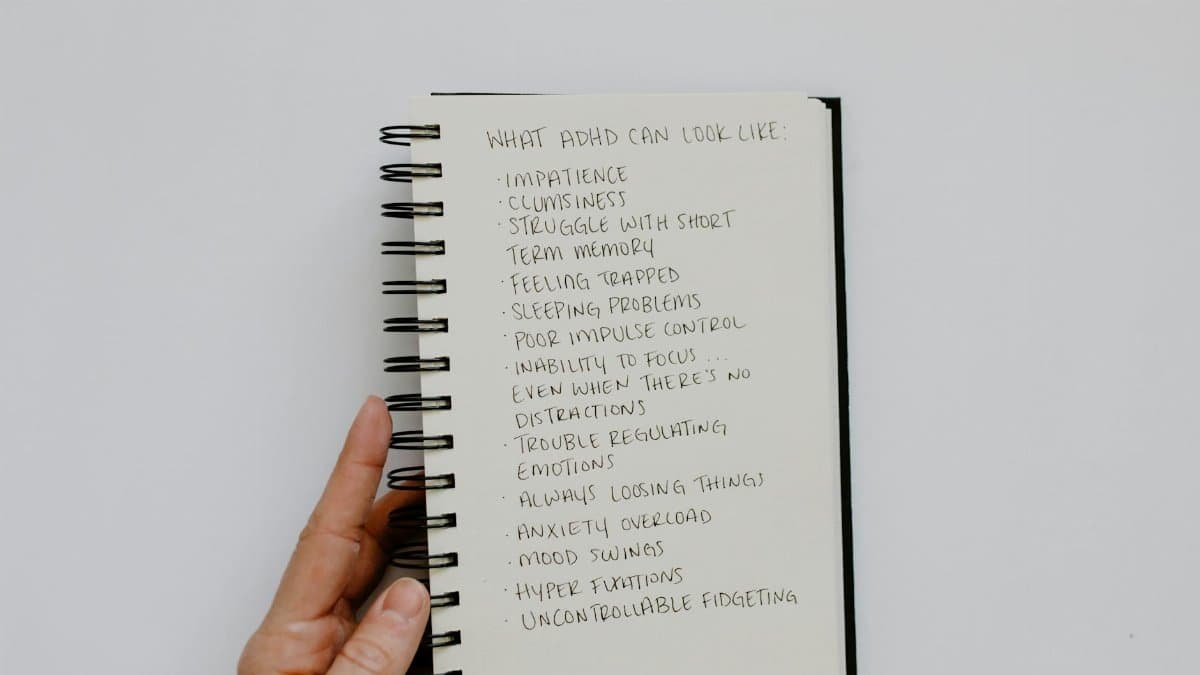
What started as a niche tip in ADHD communities exploded into a 2026 phenomenon. Labeled a “viral ADHD hack,” the dopamine menu resonates because it targets executive function struggles head-on. People with ADHD often face “paralysis” from too many options or none at all. The menu simplifies: scan the list, pick one, act. Its spread underscores a broader push for analog tools in a digital age, proving simple hacks can scale fast when they deliver real relief. For more on its ADHD applications, see ADDitude Magazine’s coverage.
Quick Joy-Boosters at Your Fingertips
The menu’s power lies in its “quick joy-boosters.” These are bite-sized actions designed for speed: a favorite snack, a brisk walk, stretching, or listening to a pump-up song. No marathons required—just enough to nudge dopamine production and break inertia. For ADHD brains craving stimulation, this curated selection prevents the void that leads to doomscrolling. Users report it as a lifeline, turning vague restlessness into doable steps. The physical format ensures it’s always handy, not buried in an app.
Saving Brains in 2026

By January 15, 2026, the dopamine menu was already hailed for “saving brains.” In an era of information overload, it rescues focus from the doomscrolling trap, where negative feeds amplify anxiety. This hack reframes downtime productively, fostering small victories that build momentum. U.S. mental health trends show rising ADHD awareness, making tools like this timely. It’s not therapy, but a practical pivot that aligns with neuroscience basics on dopamine’s role in motivation. Experts echo its value; check Psychology Today’s explanation.
Why It Works Against Doomscrolling

Doomscrolling thrives on variable rewards, mimicking slot machines with unpredictable hits. The dopamine menu flips this: consistent, chosen boosters without the rabbit hole. Physically selecting from the list interrupts the habit loop, redirecting energy to real-world joys. For ADHD users, it combats hyperfocus on screens by offering alternatives that match the brain’s need for novelty and reward. In 2026, as burnout rises, this shift from passive consumption to active choice marks a quiet revolution.
Building Momentum One Pick at a Time

Start small, the menu teaches. Pick one item, complete it, cross it off—the satisfaction loops back, fueling the next. This chaining effect “saves brains” by rebuilding executive function eroded by scrolling. Viral stories highlight its role in daily resets: mornings stalled by feeds now launch with a menu glance. It’s accessible—no cost, no tech barriers—making it a democratized hack for 2026’s fast-paced life.
Beyond ADHD: A Broader Appeal
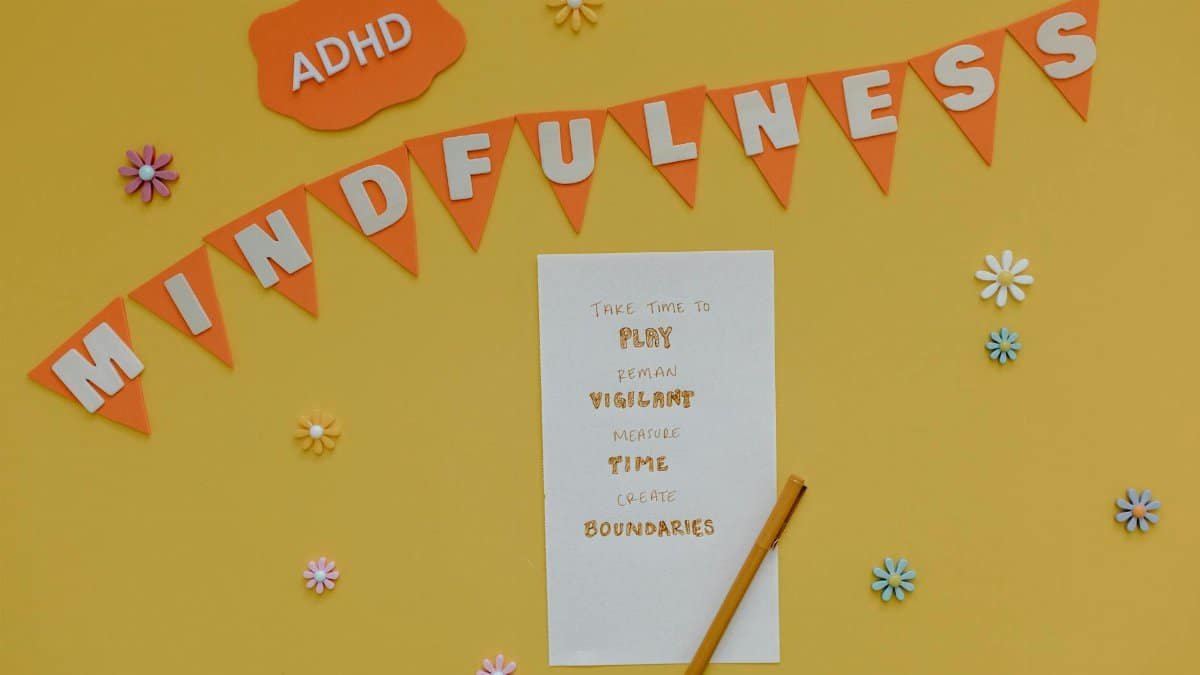
Though branded an ADHD hack, the dopamine menu appeals widely. Anyone trapped in scroll paralysis finds value in its structure. The 2026 buzz positions it as a universal brain saver, especially amid U.S. trends toward mindful tech use. Its physicality grounds users, proving old-school methods endure in a gadget-saturated world. As one summary quip puts it, it’s time to “order off the menu” instead of swiping endlessly.
The Simplicity Driving Its Virality

No complex protocols here—just a list that fits on a sticky note. This minimalism fuels shares across platforms, ironically combating the very scrolling it replaces. In 2026, with ADHD diagnoses climbing, the dopamine menu’s rise reflects demand for instant, effective tools. It empowers without overwhelming, turning “I can’t start” into “I’ll pick this.” Brains saved, one joy-booster at a time.