
Imagine firing up your phone after a long day, craving that spicy pad thai from the corner spot, only to watch the delivery time balloon from 25 minutes to over 90 as your order lingers in limbo. This scenario unfolded for thousands of DoorDash customers recently, thanks to a subtle but stark app update: the doordash no tip warning. Tucked into the order screen, it bluntly alerts users that skipping the tip could mean delays, cold food, or worse, no driver at all. What began as whispers among drivers has evolved into official policy, igniting debates over fairness in the gig economy. As delivery apps reshape how we eat, this warning exposes raw tensions between customer convenience and worker livelihoods.
The Anatomy of DoorDashs New Alert

DoorDash rolled out the doordash no tip warning quietly in recent months, embedding it within the app’s checkout process. When users leave the tip field blank or enter zero, a pop-up appears: “No tip added. This may result in a longer wait time or no driver accepting your order.” Screenshots shared across Reddit and TikTok captured the moment, with users expressing shock at the transparency. Company spokespeople confirmed to CBS News that the feature aims to educate customers on tipping norms, drawing from driver feedback where low or no-tip orders often sat unclaimed.The report highlighted how this shift formalizes long-standing practices, where drivers routinely skip stingy orders in favor of better-paying ones.
Drivers Perspectives: A Long Overdue Signal
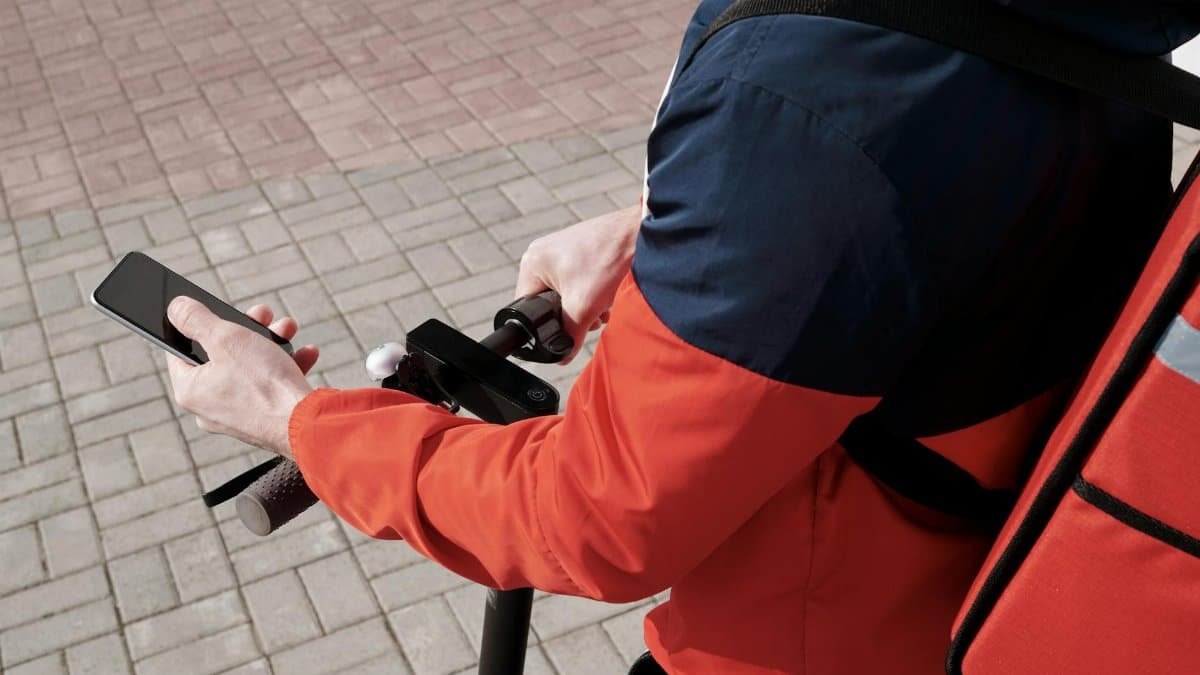
For DoorDash drivers, the doordash no tip warning feels like validation after years of invisible labor. Gig workers like Marcus Hale from Atlanta describe the daily grind: navigating traffic, hauling heavy bags up flights of stairs, all for a base pay averaging $2 to $3 per delivery before tips. “I’ve passed on hundreds of no-tip orders,” Hale shared in a viral Twitter thread. Data from Gridwise, a ride-hail analytics firm, shows drivers earn up to 40 percent more on tipped runs, making selective acceptance a survival tactic. This warning, they argue, levels the playing field, forcing customers to confront the human element behind the app.
Customer Backlash Ignites Social Media
Not everyone welcomes the doordash no tip warning. Outrage erupted on platforms like Twitter and Facebook, with hashtags like #BoycottDoorDash trending briefly. Critics, including single parents and budget-conscious families, decry it as coercive, accusing DoorDash of guilting users into tipping. One viral post from a Florida teacher read: “I tip when I can, but rent comes first. Now I’m punished for that?” Surveys by YouGov indicate 62 percent of Americans view tipping culture as out of control, particularly in apps where service feels automated. Yet, defenders point out that delivery isn’t free labor, bridging divides in a polarized online discourse.
Historical Context of Tipping in Delivery Apps
The doordash no tip warning didn’t emerge in a vacuum. Tipping battles trace back to Uber Eats and Grubhub launches around 2015, when drivers first gamed algorithms by cherry-picking lucrative orders. A 2020 University of California study found that untipped deliveries took 15 to 20 percent longer on average, as drivers optimized routes for profit. DoorDash, now valued at over $30 billion post-IPO, has experimented with guarantees like minimum earnings, but tips remain the lifeline. This warning marks a pivot toward candor, contrasting with competitors who bury such realities in fine print.
Economic Realities Fueling the Policy
Behind the doordash no tip warning lies cold economics. Inflation has squeezed gig workers, with gas prices up 50 percent since 2021 and vehicle maintenance costs soaring. DoorDash reports delivering 1.5 billion orders annually, but driver retention hovers around 50 percent yearly due to burnout. By flagging no-tip orders, the app reduces friction: fewer declined requests mean happier customers overall. Economists like those at the Brookings Institution note this as “nudges 2.0,” where tech platforms subtly steer behavior without mandates, echoing strategies in ride-sharing where surge pricing became normalized.
Comparisons to Rivals: Uber Eats and Grubhub
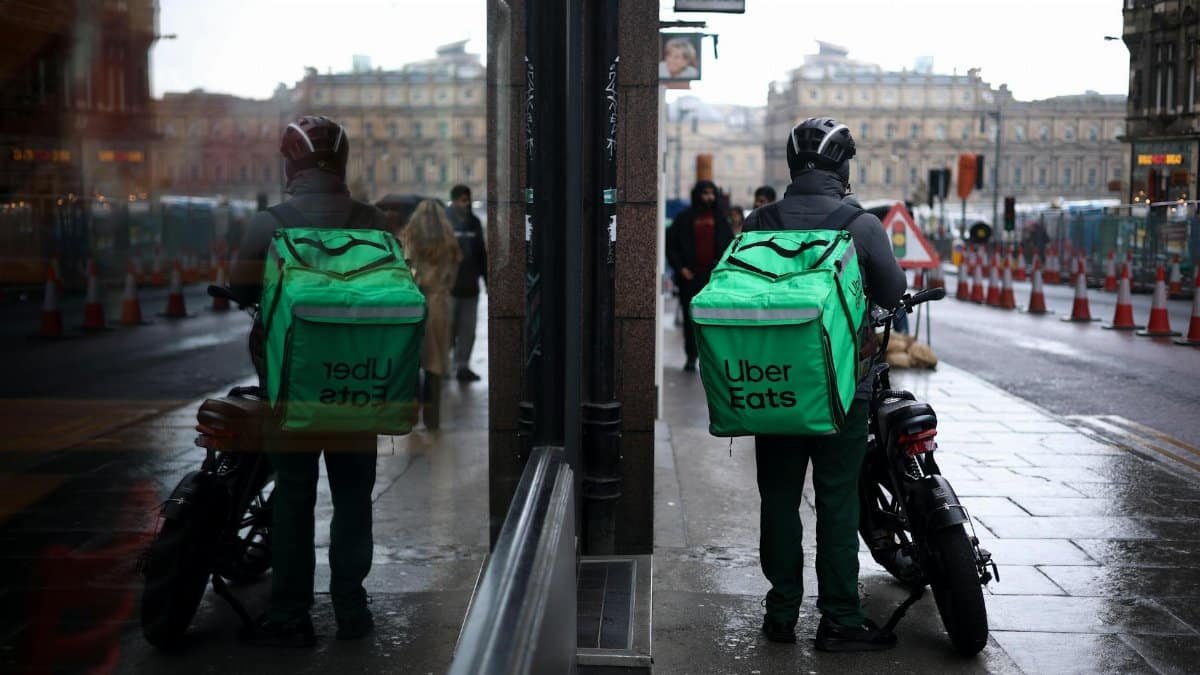
DoorDash leads with its doordash no tip warning, but rivals lag. Uber Eats hides tip prompts until post-delivery, leading to “tip baiting” complaints where drivers dash off after seeing zero gratuities. Grubhub offers a “no contact” option but no explicit delays warning, resulting in quieter driver rebellions. A side-by-side app analysis by The Verge revealed DoorDash’s approach boosts acceptance rates by 12 percent on low-tip orders when warnings appear. This edge could solidify market share, especially as Postmates folds into Uber, intensifying competition in a $150 billion industry.
Legal and Ethical Gray Areas

Is the doordash no tip warning legal? Labor attorneys say yes, as it’s private platform policy, not wage theft. The Fair Labor Standards Act exempts gig workers as independent contractors, leaving tipping voluntary. Ethically, though, it blurs lines: platforms profit from every order via commissions, yet shift pressure to consumers. Advocacy groups like Gig Workers Rising call for federal baselines, arguing apps exploit tipping to suppress base pay. California’s Prop 22 battle, upheld in 2024, enshrined this model, but states like New York eye stricter rules amid rising complaints.
Consumer Strategies in a Tip-Heavy World
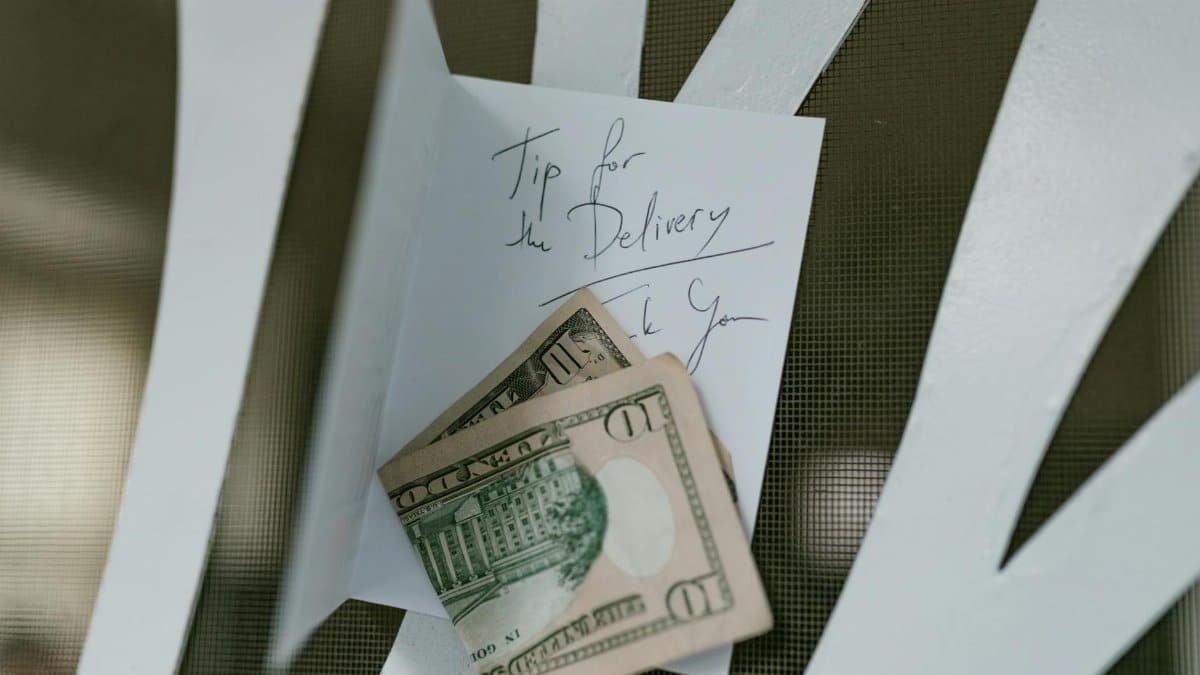
Faced with the doordash no tip warning, savvy users adapt. Many now tip upfront at 15 to 20 percent, unlocking “DashPass” perks like priority delivery. Others switch to restaurant-direct orders or meal kits to bypass apps entirely. Tips from drivers circulate online: bundle multiple items for efficiency, tip in cash for bonuses. A Consumer Reports poll found 55 percent willing to adjust habits, viewing the warning as a fair trade for reliability. This evolution hints at broader shifts, where apps must balance retention across all sides.
The Broader Gig Economy Ripple Effects
DoorDash’s move reverberates beyond food. Instacart shoppers report similar no-tip slowdowns, while Amazon Flex prioritizes tipped packages. As AI optimizes dispatching, human discretion persists in acceptance. Futurists predict blockchain tips or guaranteed wages, but for now, warnings like this humanize opaque systems. With 5 million gig workers nationwide, policies shaping incentives could redefine urban life, from dinner routines to labor rights.
Looking Ahead: Will Warnings Become Standard?
The doordash no tip warning tests waters for industry norms. Early data suggests tipped orders rose 8 percent post-rollout, per internal leaks shared on Blind. If successful, expect copycats, potentially curbing tip fatigue. Yet, cultural pushback looms: Europe mandates service inclusion, offering a model as U.S. diners grapple with generosity’s price. For DoorDash, it’s a high-stakes bet on transparency fostering loyalty amid tech rage.
By Natasha Weber