

In the dim light of a Brooklyn apartment, Maria Gonzalez hesitates over her phone. Its a Friday evening, and shes ordering sushi from her favorite spot via Uber Eats. As the checkout screen loads, a bold suggestion pops up: 10 percent tip. She sighs, remembering how tips once felt optional in these apps. No longer. New York Citys latest law now requires DoorDash, Uber Eats, and similar services to display this doordash uber eats tip prompt prominently, aiming to boost earnings for the army of cyclists and drivers who brave traffic and weather. Delivery workers hail it as overdue justice, but for customers like Maria, it stirs a fresh wave of resentment amid already strained wallets.
The Roots of New York Citys Delivery Worker Protections
This mandate stems from a broader package of reforms passed last year, effective September 2026, as announced by the citys Department of Consumer and Worker Protection. The rules target minimum pay, paid sick leave, and now tipping transparency for the citys 80,000-plus app-based food couriers. Advocates argued that opaque tip screens buried gratuity options at the end of checkout flows, leading to lower earnings. The doordash uber eats tip prompt changes that by forcing apps to offer 10 percent as the default suggestion before final payment. City officials frame it as a correction to gig economys power imbalance, where algorithms prioritize speed over worker welfare.
How the Tip Prompt Actually Works

Under the law, platforms must present tipping options upfront, with 10 percent highlighted as the baseline. Users can adjust to zero, 15 percent, 20 percent, or custom amounts, but the prompt cannot be skipped or minimized. Screenshots circulating online show DoorDash interfaces now featuring a slider bar labeled Suggested: 10 right after subtotal. Uber Eats follows suit with similar pop-ups. This shift ends the practice of hiding tips behind a Defer tipping option, which studies from Cornell Universitys School of Hotel Administration found reduced average tips by up to 15 percent in tests ( link ). For apps, compliance means swift UI overhauls.
Delivery Workers Share Their Stories
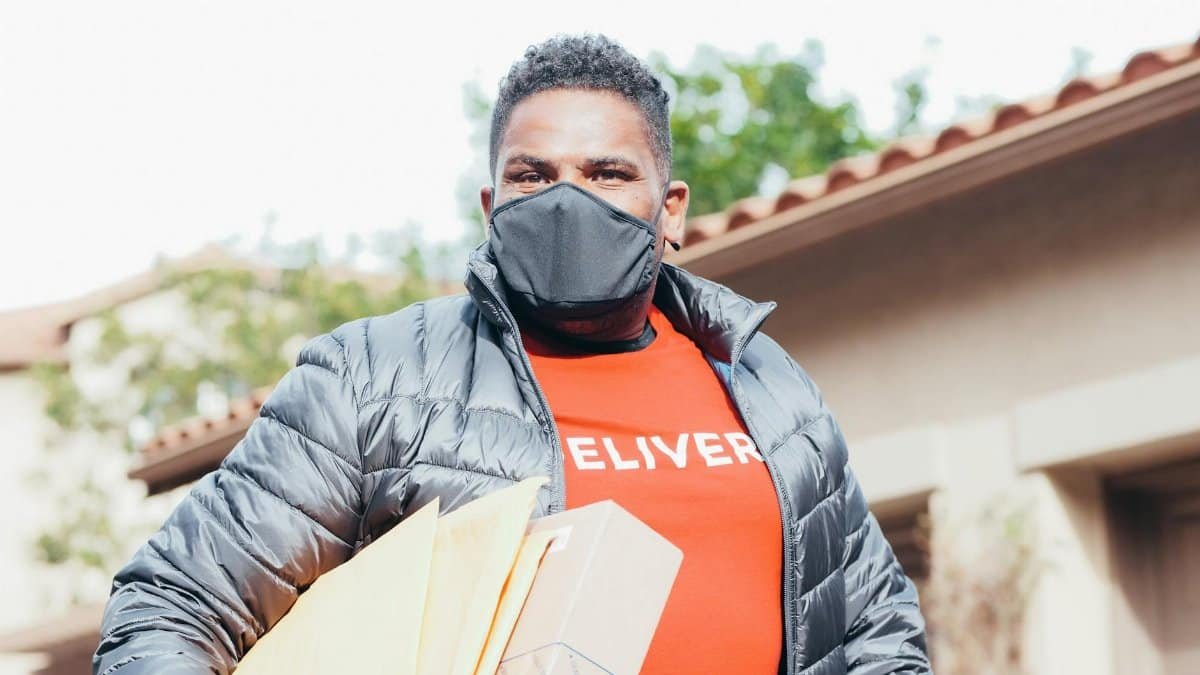
For riders like Jamal Rivera, a Queens-based DoorDash courier with three years on the job, the change feels transformative. He recalls shifts where 70 percent of orders arrived tip-free, leaving him hustling for 20 deliveries nightly just to scrape minimum wage. Now, early data from worker forums suggests a 12 percent uptick in average tips post-implementation. Organizations such as the New York Taxi Workers Alliance, which lobbied for the law, report couriers earning an extra $2 to $4 per order. Yet Rivera cautions that rain-slicked streets and restaurant delays still erode gains, underscoring the prompts role as one piece of a larger fight.
Customer Pushback and Tipping Fatigue
Not everyone celebrates. Social media erupts with complaints under hashtags like #TipTyranny, where users decry the doordash uber eats tip prompt as digital arm-twisting. A 2023 Pew Research survey found 40 percent of Americans feel overwhelmed by tipping requests at self-serve kiosks and apps, up from 25 percent pre-pandemic ( link ). In New York, where living costs soar, diners argue they already tip generously at restaurants; why double up for delivery fees baked into orders? This fatigue risks eroding goodwill toward an industry reliant on repeat business.
Company Responses: Compliance or Resistance?
DoorDash and Uber Eats issued statements pledging full adherence, but with caveats. DoorDash emphasized its existing driver pay guarantees, positioning the prompt as supplementary. Uber Eats highlighted global tipping variations, noting New Yorks rule applies only locally. Behind the scenes, executives worry about order volume dips; internal leaks suggest A/B tests showed a 3 percent abandonment rate when tips surface early. Neither company has sued, unlike past battles over minimum wage rules, signaling pragmatic acceptance. Still, lobbyists hint at federal preemption pushes to standardize regulations nationwide.
Economic Ripple Effects on the Gig Economy

Economists project the prompt could inject $50 million annually into New York couriers pockets, based on 2025 delivery volumes from city data. Yet higher costs might accelerate menu price hikes, already up 8 percent year-over-year per the Bureau of Labor Statistics. Small restaurants, squeezed by app commissions averaging 30 percent, pass burdens along. For platforms, valued at billions, the hit is negligible, but it spotlights tensions in a sector where workers classify as independent contractors, dodging benefits like health insurance. This law tests whether localized rules can reshape national labor norms.
Comparisons to Other Cities and States

New York leads, but California blazed trails with Proposition 22, mandating pay floors that include tips. Seattle requires tip visibility, though without a fixed percentage. Chicago experiments with 15 percent prompts for rideshares. Internationally, the United Kingdoms Deliveroo faced strikes over similar issues, prompting voluntary changes. Critics say New Yorks doordash uber eats tip prompt sets a blueprint, potentially inspiring bills in high-cost hubs like San Francisco or Boston. Success here could pressure Congress to revisit the Fair Labor Standards Act for gig protections.
The Psychology of Digital Tipping
Behavioral science explains the prompts power. Frictionless apps exploit inertia; a visible 10 percent nudge leverages anchoring bias, where the first number shapes decisions. Research from the University of Chicago Booth School of Business shows default tips boost totals by 20 percent without user awareness ( link ). Yet over-reliance risks backlash, as seen in jar-breaking protests against QR-code gratuities. In delivery, where faces stay invisible, the prompt humanizes the transaction, reminding users of the person pedaling through gridlock.
Broader Implications for App Design and Consumer Rights

This law heralds a reckoning for dark patterns in tech, those manipulative interfaces prioritizing profits. Regulators eye expansions to mandate tip transparency across e-commerce. Consumer advocates praise it as empowering choice, countering apps that gamify urgency with countdown timers. For middle-class families budgeting groceries amid 5 percent inflation, it reframes tipping from courtesy to calculated line item. Platforms may innovate with tip pools or loyalty perks, but the genie of mandated prompts escapes the bottle.
Looking Ahead: Will Tipping Norms Evolve?

As implementation unfolds, metrics will tell. If tips rise without order drops, other metros may follow. Worker groups push for 15 percent baselines, while apps test opt-out models. Cultural shifts loom: younger users, per Deloitte polls, favor service fees over tips, viewing gratuities as outdated relics. New Yorks experiment could redefine urban commerce, balancing worker dignity against consumer convenience. For now, every checkout serves as a quiet referendum on fairness in the frictionless economy.
In Riveras words, captured at a recent rally, its not about greed; its survival. As prompts glow on screens citywide, New Yorkers grapple with that truth, one order at a time.