
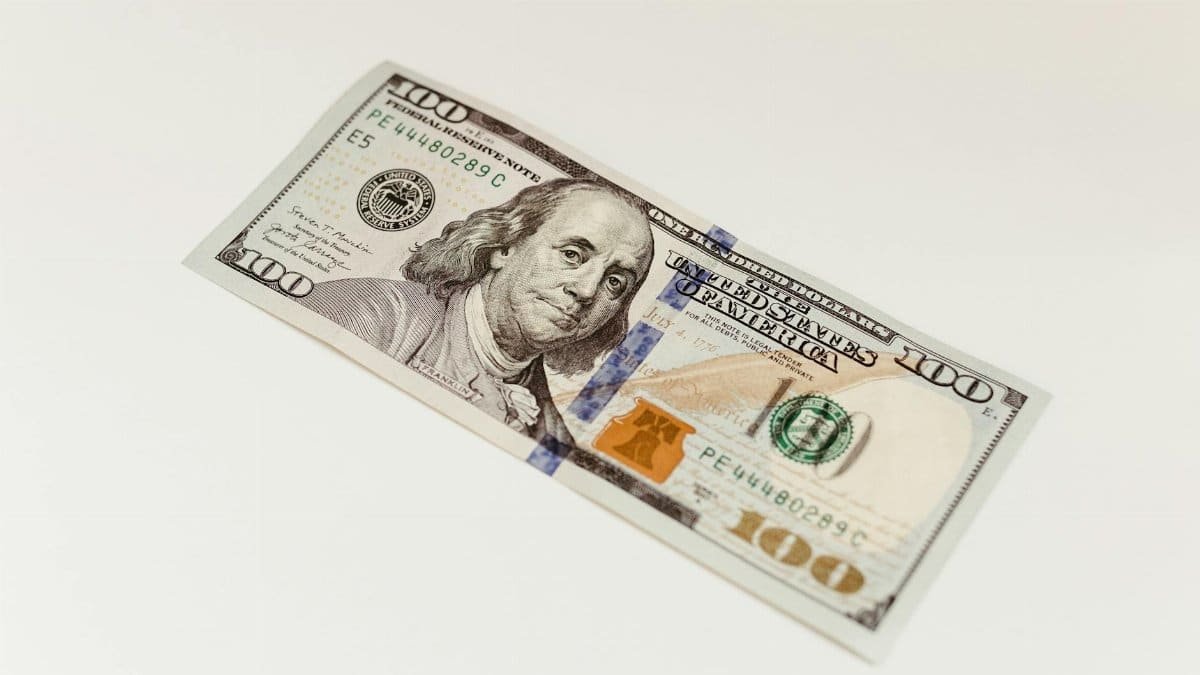
Dollar Tree’s latest price hike has shattered its iconic one-buck promise. On February 15, 2026, the discount retailer announced it would push base prices to $1.75 in some stores while rolling out items priced at $7. This dollar tree price hike marks a bold shift, effectively closing the book on the pure dollar store era that defined the chain for decades.
The Announcement Date

The news broke on February 15, 2026, catching many off guard. Dollar Tree’s statement laid it out plainly: no more uniform $1 pricing across the board. This comes as “another” hike, building on prior adjustments that had already nudged prices upward. The timing underscores a deliberate pivot amid ongoing retail pressures, with the company framing it as necessary evolution.
Base Price Escalation to $1.75
At the heart of this change sits the new $1.75 base price in select stores. Every item once pegged at a flat dollar now carries this higher tag in those locations. This isn’t a minor tweak—it’s a 75% jump from the original model, reshaping what shoppers expect when they walk through the doors. The move applies broadly to core inventory, from household essentials to snacks, altering the fundamental value proposition.
Introduction of $7 Items

Taking it further, Dollar Tree is stocking shelves with $7 products. These higher-end offerings expand beyond snacks or small goods into larger or premium categories, though specifics remain tied to the announcement’s scope. This tiered pricing introduces a multi-price strategy, blending low-cost staples with pricier options under one roof. It dilutes the “everything’s a dollar” allure that built the brand’s loyal base.
End of the Dollar Store Era
“It’s not a dollar anymore,” the announcement declares, encapsulating the shift. This dollar tree price hike cements the transition away from the strict single-price format that launched Dollar Tree. What started as a revolutionary concept in the discount space now evolves into a hybrid model, competing more directly with rivals like Dollar General or Walmart’s budget aisles. The era of predictable $1 hauls fades into history.
Selective Rollout in Stores

Not every location feels the change equally. The $1.75 base targets “some stores,” allowing Dollar Tree to test waters regionally or by market. This phased approach lets the chain monitor sales data and customer feedback before broader expansion. Shoppers in affected outlets will notice tags immediately, while others hold steady—for now—highlighting a strategic, store-by-store implementation.
Context of ‘Another’ Hike

This isn’t Dollar Tree’s first rodeo with increases. Labeled as “another price hike,” it follows earlier moves that introduced $1.25 and other tiers. For historical perspective on the chain’s pricing trajectory, see coverage from Reuters detailing the 2021 adjustment. Such steps reflect sustained adaptation, with each layer peeling back the dollar-only identity.
Shopper Impact and Reactions

Budget-conscious families, seniors, and low-income households—core Dollar Tree demographics—face the steepest hit. The jump to $1.75 erodes affordability for quick grabs, while $7 items push toward impulse buys few can justify. Whispers of discontent ripple through communities, as the store’s role as a lifeline for cheap necessities wavers. This dollar tree price hike fuels frustration, with many questioning loyalty to a chain abandoning its roots.
Broader Retail Implications

The change ripples beyond Dollar Tree. As the leader in dollar stores, its pivot signals industry-wide pressures on slim margins and rising costs. Competitors watch closely, potentially accelerating their own multi-price tests. For 2026 trends, Dollar Tree’s investor updates provide insight into ongoing strategies, available at Dollar Tree Investor Relations. This hike underscores a discount sector in flux, where purity gives way to pragmatism.
The dollar tree price hike crystallizes a turning point. From $1.75 bases to $7 outliers, Dollar Tree redefines itself on February 15, 2026. Shoppers grapple with higher tabs, and the once-simple store model grows complex. As reactions mount, the chain’s gamble hangs in the balance—will value perceptions hold, or has the magic vanished for good?