

Is “California sober”—using only weed—a smart swap for other addictions? Doctors say no. On January 3, 2026, medical experts issued an urgent warning against the trend. They highlighted the dangers of trading one dependency for another. This approach, often pitched as a lighter path to sobriety, carries real risks. Health professionals stress that cannabis dependence is a genuine threat, not a harmless alternative. As the practice spreads, the medical community urges caution to avoid new pitfalls in recovery.
What Does “California Sober” Mean?

The term “California sober” refers to a lifestyle where individuals limit themselves to cannabis alone, ditching alcohol, opioids, or other drugs. Proponents view it as a moderated form of sobriety, especially in states like California with legal weed markets. Yet doctors point out this shift isn’t risk-free. The January 3 warning frames it as a potential trap, where users replace harder substances with marijuana, believing it’s safer. Medical voices argue this overlooks cannabis’s own addictive pull, setting up long-term challenges.
Doctors’ Urgent Alert

On January 3, 2026, physicians across the U.S. raised alarms about the rising “California sober” trend. Their message was clear: swapping dependencies doesn’t equate to true recovery. This comes amid growing popularity of weed-only lifestyles, fueled by legalization and cultural shifts. Experts warn that patients attempting this often underestimate marijuana’s impact on the brain and body. The collective call from doctors aims to inform the public before more people stumble into the same cycle.
The Core Risk: Dependency Swap

At the heart of the warning lies the danger of substitution. Doctors explain that addiction patterns don’t vanish by picking a different substance. Cannabis, while legal in many places, triggers similar reward pathways in the brain as alcohol or pills. Users going “California sober” might quit one habit but ignite another. Withdrawal symptoms, tolerance buildup, and cravings can mirror those from other drugs. Medical professionals emphasize that this isn’t a cure—it’s a lateral move with its own health toll.
Health Impacts of Cannabis Reliance
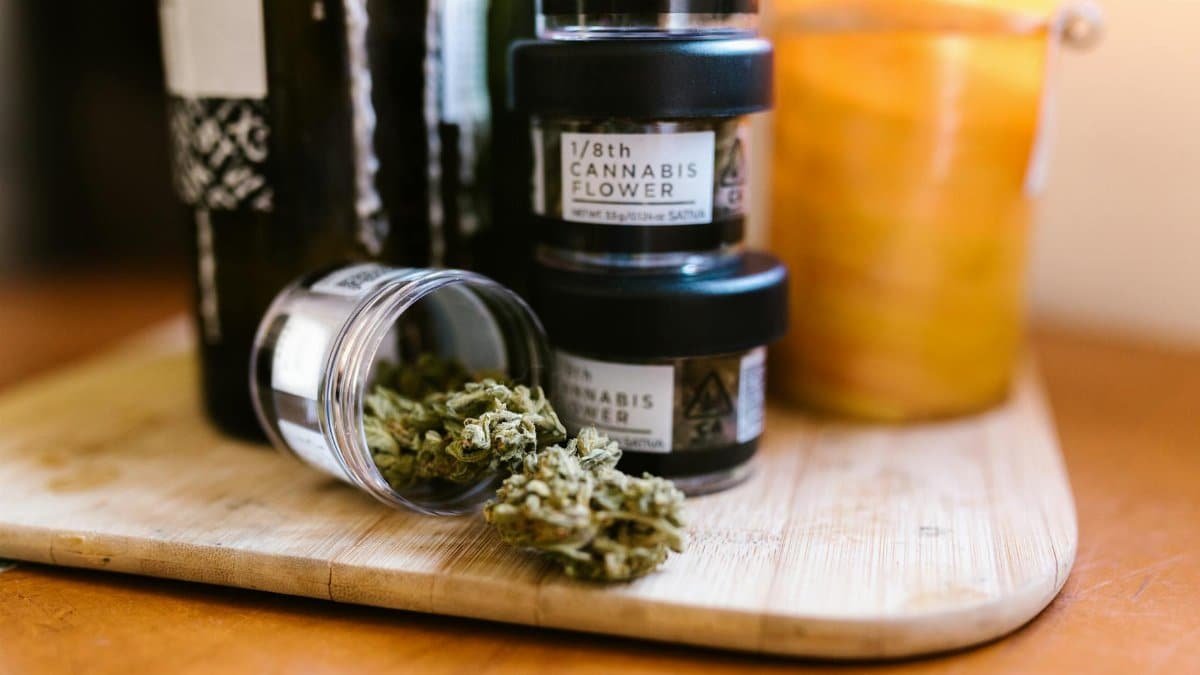
Heavy weed use brings documented issues, from respiratory problems to cognitive fog. Doctors in the January 3 alert noted how daily reliance impairs memory, motivation, and mental health. For those fleeing alcohol dependency, marijuana might seem milder, but it raises risks of anxiety, paranoia, and sleep disruptions. Long-term, it can lead to cannabis use disorder, affecting daily life. The medical community pushes for evidence-based treatments over unproven swaps like “California sober.”
For deeper insight into cannabis dependence, see the National Institute on Drug Abuse’s overview on marijuana addiction risks.
Why the Trend is Spiking Now

In 2026, “California sober” gains steam as more states greenlight recreational cannabis. Social media amplifies stories of quick wins, drawing in those wary of strict sobriety. Yet doctors counter that anecdotes ignore science. The January 3 warning targets this hype, reminding people that legal doesn’t mean safe. U.S. trends show rising marijuana potency, amplifying dependency odds. Health experts call for balanced views amid the buzz.
Recovery Realities Beyond Weed-Only

True sobriety demands more than elimination, doctors insist. Therapy, support groups, and meds often prove essential. The “California sober” path skips these, risking relapse or stalled progress. Medical warnings stress holistic approaches over shortcuts. Patients swapping substances may mask underlying issues like trauma or stress, prolonging struggles. The alert urges consulting professionals before experimenting.
Expert Consensus on Alternatives

Physicians advocate proven paths like cognitive behavioral therapy and mutual aid programs. Medications for alcohol or opioid withdrawal offer targeted relief without new dependencies. The January 3 statement positions “California sober” as a distraction from these tools. Doctors encourage open talks with providers to tailor recovery, avoiding the weed-only pitfall.
The Centers for Disease Control and Prevention details evidence-based addiction treatments in their overdose prevention resources, underscoring options beyond substitution.
Public Response and Next Steps

Reactions to the doctors’ warning vary. Some embrace the caution, rethinking their habits. Others defend “California sober” as personal choice. Medical leaders hope the alert sparks wider dialogue on addiction in 2026. They push for education campaigns highlighting cannabis risks. Individuals eyeing the trend should weigh the swap’s downsides against full sobriety benefits.
Lessons from the Warning

The January 3 doctors’ alert boils down to one point: no substance fully replaces recovery work. “California sober” tempts with simplicity, but evidence shows it breeds new dependencies. As U.S. cannabis culture evolves, health warnings like this guide safer paths. Stay informed, seek expert advice, and prioritize lasting change over quick fixes.