
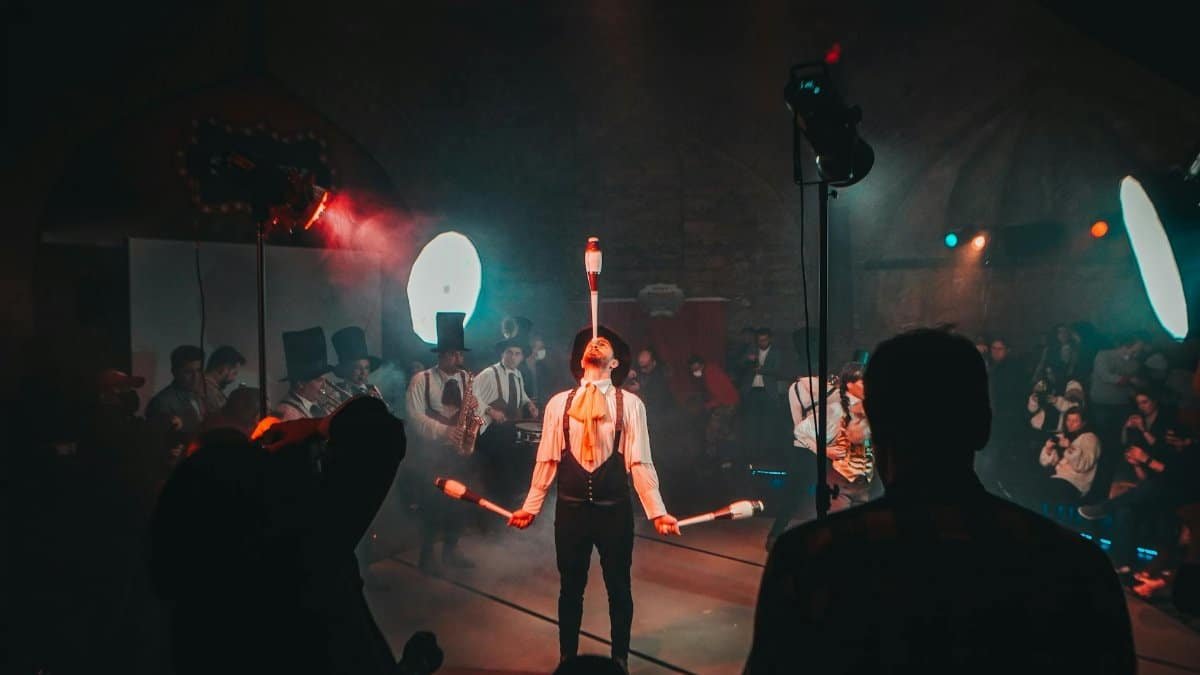
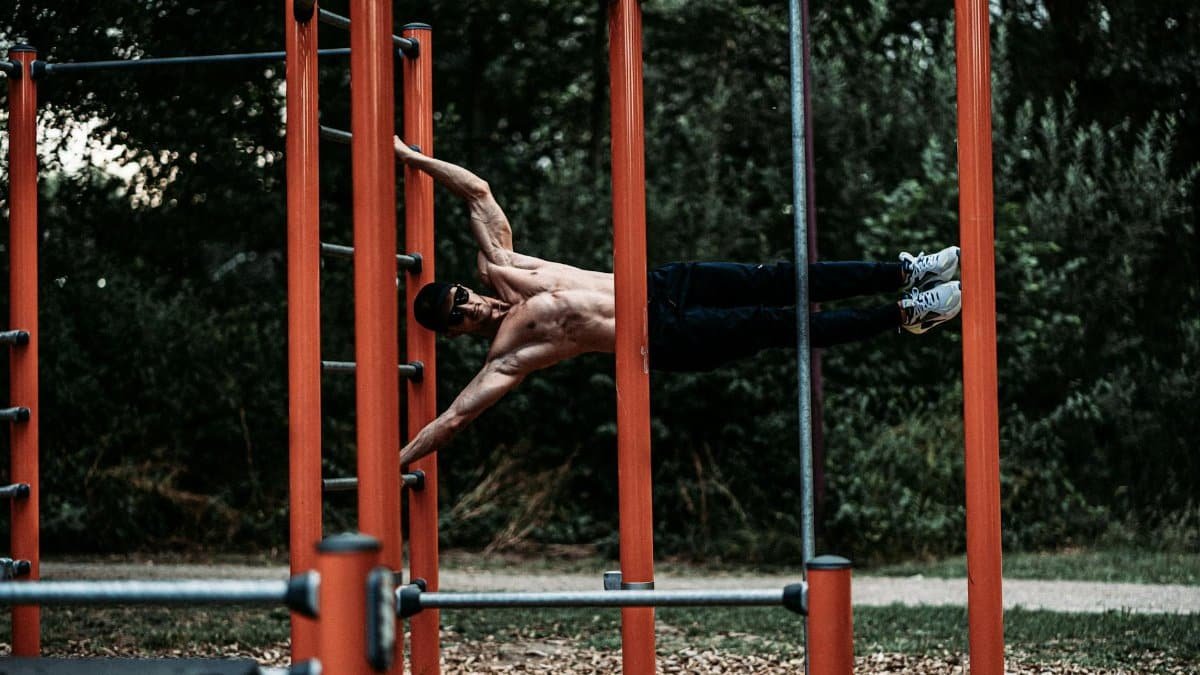
In the glow of arena lights a performer locks into a flawless human flag his body rigid and parallel to the ground as if defying gravity itself. Crowds have marveled at these feats for generations yet only recently have such skills migrated from circus tents into mainstream training halls. What was once pure spectacle has become a rigorous pursuit for those seeking unconventional challenges. Many fitness enthusiasts now ask whether circus lifts build strength that transfers meaningfully to everyday life and athletic performance or if they remain impressive but niche skills. The debate touches on everything from muscle development to mental discipline and it reveals much about how we define true physical capability in an era obsessed with both longevity and peak performance.
The Historical Roots of These Demanding Moves

Circus lifts trace their lineage to the traveling shows of the 19th century where strongmen and aerialists combined raw power with artistic expression. These performers needed not only strength but exceptional control to execute movements that appeared effortless to spectators. Over decades the techniques evolved as athletes refined them through constant practice and incremental mastery. What began as entertainment gradually influenced gymnastics and calisthenics communities before filtering into commercial gyms. Today physical culturists study archival footage of old circus acts to decode the precise mechanics behind each hold and transition. This historical context matters because it reminds us that these exercises were never designed solely for muscle growth but for complete physical dominance under pressure.
Defining What Counts as a Circus Lift
At their core circus lifts encompass advanced bodyweight skills that demand extraordinary strength relative to body mass. The human flag requires gripping a vertical pole and lifting the entire body sideways until it stands perpendicular. The planche asks athletes to hold their body parallel to the ground supported only by the hands. Front levers and back levers test the posterior chain while one arm pull ups and handstand push ups isolate shoulders and back in ways conventional weights rarely match. These movements blend strength mobility and spatial awareness into single expressions of physical intelligence. Unlike standard gym exercises they leave little room for momentum or compensation making them honest tests of integrated power.
How Circus Lifts Differ from Conventional Weight Training
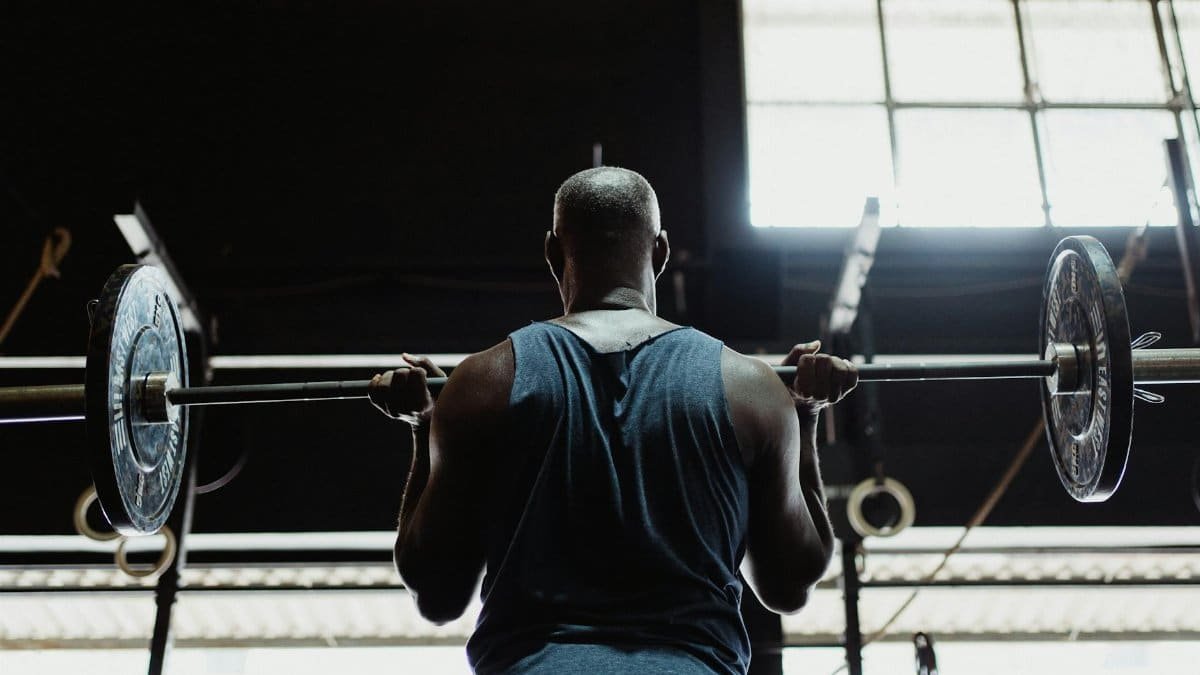
Traditional barbell work typically isolates muscle groups through predictable ranges of motion. Circus lifts by contrast require constant tension across multiple joints while maintaining rigid body positions that recruit both prime movers and deep stabilizers simultaneously. The load is always one hundred percent of body weight yet the leverage changes dramatically throughout each movement creating unique stress curves. This approach builds strength that expresses itself through control rather than sheer mass. Many middle aged trainees report improved posture and joint resilience after months of focused practice though results vary based on starting ability and consistency. The skill component also engages the nervous system in ways that pure hypertrophy training does not.
Expert Opinions on Real World Strength Development
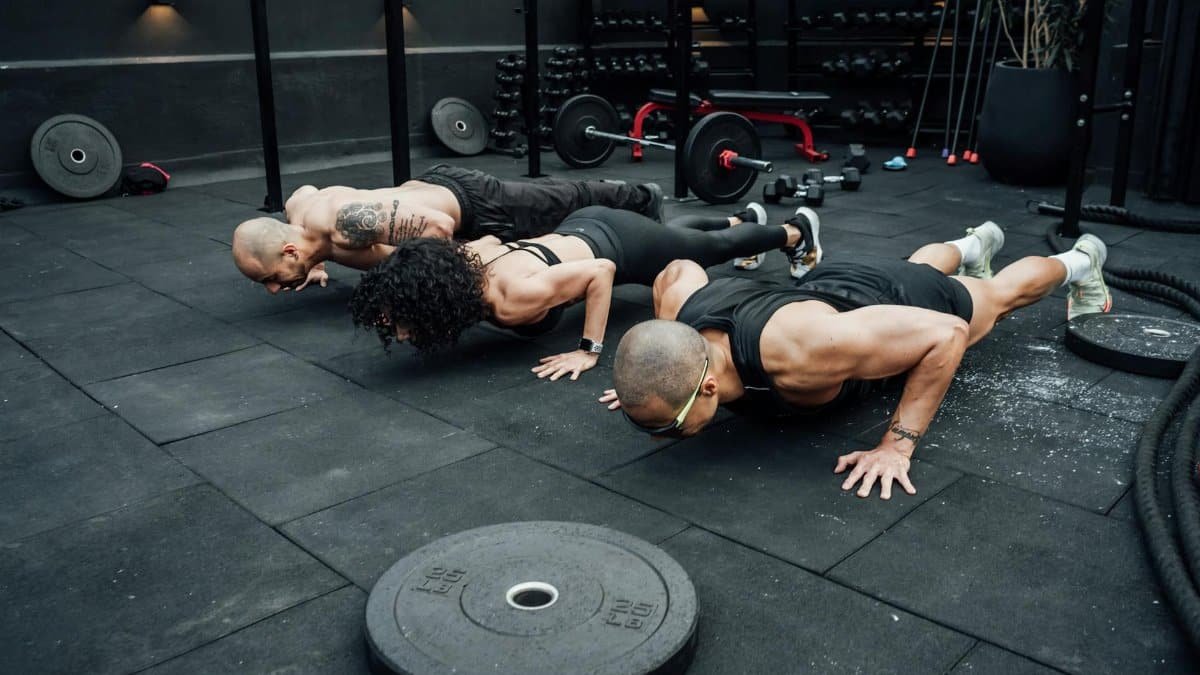
Fitness professionals remain divided yet a growing consensus acknowledges the unique benefits these moves provide. Coach Christopher Sommer former USA gymnastics coach argues that such skills develop strength that carries into numerous physical domains. Other trainers emphasize that circus lifts build strength through full body coordination rather than isolated muscle fatigue. According to perspectives shared in Men’s Health coverage of these techniques the moves particularly excel at developing shoulder stability and core rigidity that protect against injury in daily activities. Still experts caution that these lifts should complement rather than completely replace traditional resistance training for balanced development.
The Spiritual Dimension of Disciplined Physical Practice
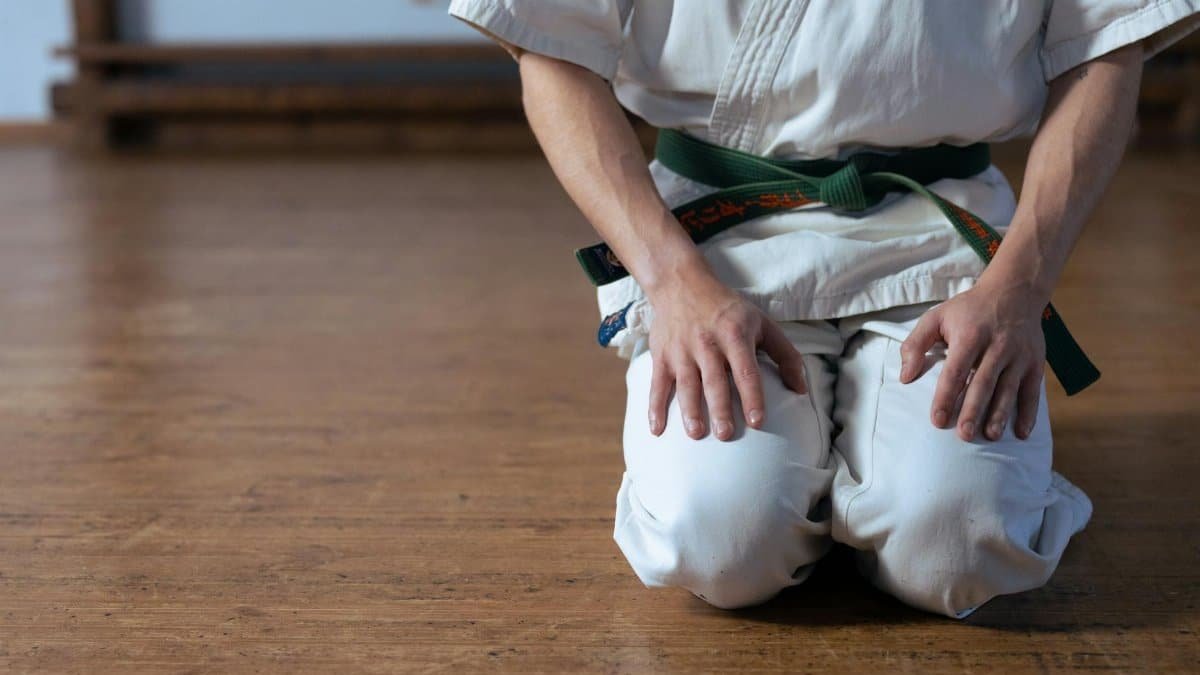
Beyond physical gains many practitioners describe a meditative quality to mastering circus lifts. The intense focus required to hold a planche for even ten seconds creates a temporary stillness of mind that mirrors contemplative practices. This category of training attracts those seeking not just stronger bodies but deeper presence. The journey toward these skills teaches patience with plateaus and respect for bodily limits in ways that feel almost philosophical. For middle aged adults navigating career and family demands this combination of physical challenge and mental discipline offers a unique form of renewal. The practice becomes less about performance and more about cultivating an unshakable inner steadiness that extends far beyond the training space.
Building a Foundation Before Attempting Advanced Skills
Most experts stress that circus lifts build strength only when approached with proper preparation. Beginners must first develop basic pushing pulling and core capacity through simpler variations. Wrist mobility shoulder stability and straight arm strength form essential prerequisites that prevent common injuries. Progressive programs typically span years rather than months with each new hold unlocked only after complete mastery of the previous progression. This methodical approach stands in stark contrast to fitness marketing that promises rapid transformation. Patience becomes the true foundation upon which genuine capability is constructed. Rushing the process often leads to frustration or worse setbacks that could have been avoided.
Potential Benefits for Mobility and Injury Prevention
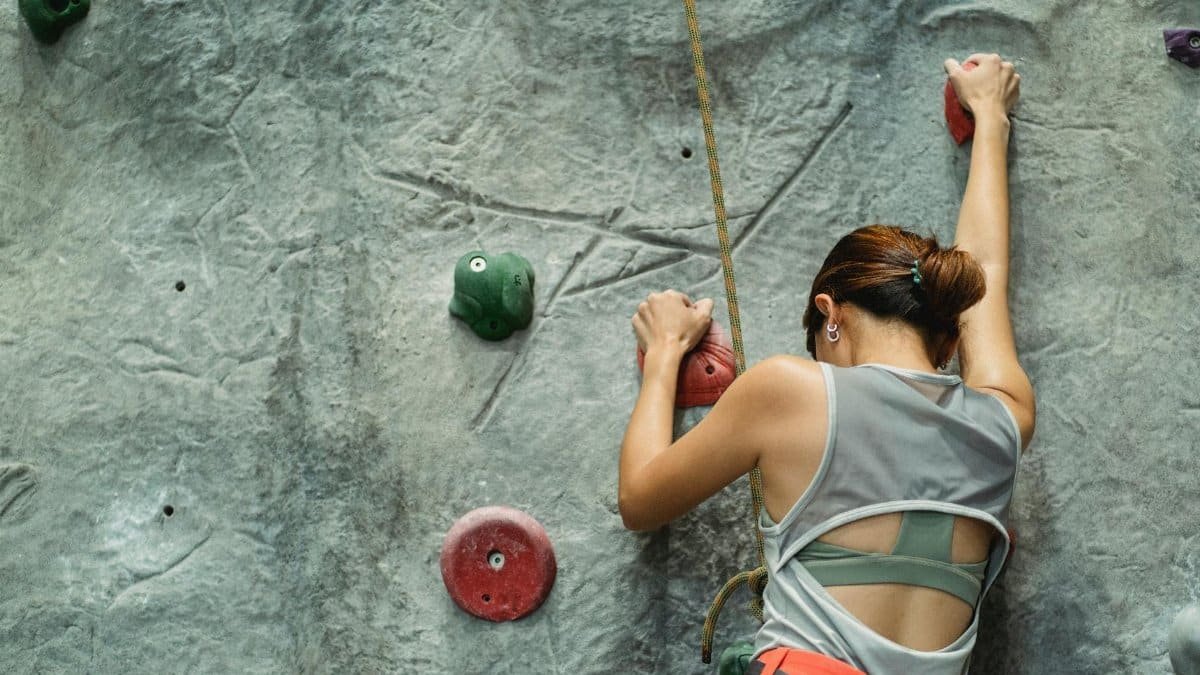
Unlike many strength programs that can tighten tissues over time circus inspired training emphasizes control through full ranges of motion. The constant need to stabilize in extreme positions naturally improves joint mobility and tissue resilience. Practitioners frequently report fewer shoulder issues and better overall movement quality after consistent practice. The emphasis on straight arm strength particularly strengthens connective tissues in ways that weighted exercises sometimes neglect. For those over forty these attributes become increasingly valuable as natural flexibility and stability begin to decline. The training simultaneously builds power and preserves function creating a more sustainable approach to physical vitality through the decades.
Understanding the Risks and Training Safely
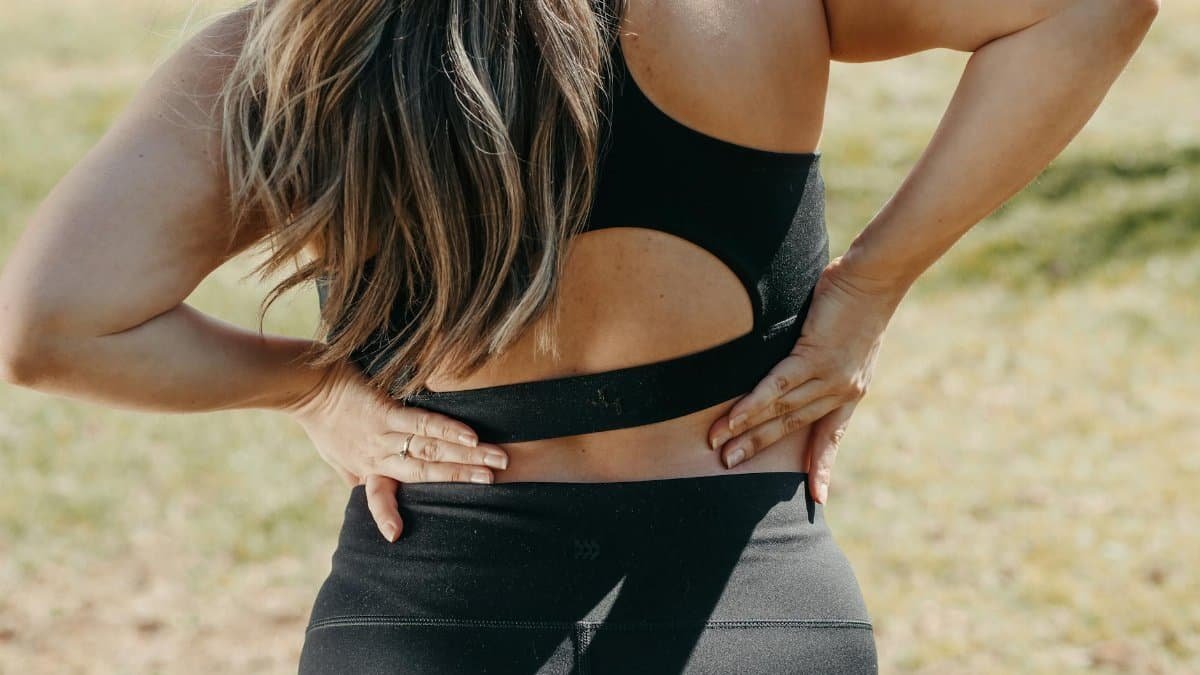
Despite their appeal these lifts place enormous stress on joints and connective tissues particularly the shoulders wrists and elbows. Without adequate preparation enthusiasts risk tendinitis or more serious injuries that can sideline them for months. Proper coaching becomes essential especially for adults who may have accumulated years of desk work or previous training imbalances. Smart progression includes extensive warm ups deliberate skill practice and sufficient recovery between sessions. Listening to the body replaces ego driven attempts at premature advancement. Those who respect these boundaries often discover that circus lifts build strength more effectively than rushed efforts ever could.
What Current Research Reveals About Advanced Calisthenics
Studies on advanced bodyweight training remain limited but available evidence supports many anecdotal claims. Research published in the Journal of Strength and Conditioning Research suggests that skills based training produces comparable strength gains to traditional resistance exercise while adding improvements in coordination. A 2020 review of calisthenics training found significant enhancements in muscle endurance and core stability among participants following structured programs. While more research specifically on circus style movements would be welcome current data indicates these methods offer legitimate strength development pathways. The neuromuscular adaptations appear particularly pronounced in movements requiring sustained isometric holds.
Integrating These Skills into a Balanced Routine
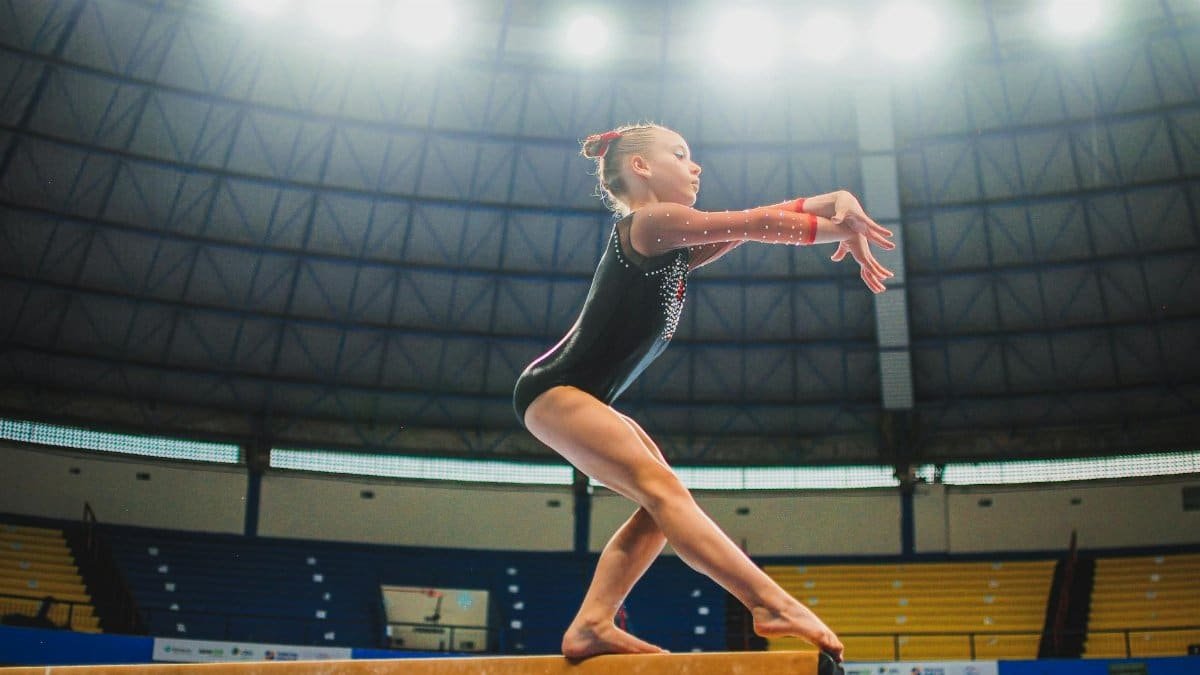
Rather than abandoning proven training methods most experts recommend blending circus lifts with conventional strength work. Two or three focused sessions per week can provide sufficient stimulus without overwhelming recovery capacity. Many successful programs pair skill practice with basic barbell lifts to cover all physical qualities. This hybrid approach allows middle aged trainees to enjoy the satisfaction of visible skill progression while maintaining the bone density and muscle mass benefits of external loading. The key lies in thoughtful programming that respects individual limitations and recovery needs. When balanced properly circus lifts build strength without creating the imbalances that plague specialized training.
Stories from Those Who Have Transformed Their Capabilities

Across the country men and women in their forties and fifties describe profound changes after committing to these disciplines. A former office worker in Chicago can now hold a thirty second front lever after two years of consistent practice. A retired teacher in Portland credits handstand training with eliminating her chronic shoulder pain while dramatically improving her confidence. These accounts share common themes of renewed physical agency and mental toughness. The visible progress serves as powerful motivation during inevitable plateaus. Their experiences suggest that circus lifts build strength not only in muscles but in character and resilience as well.
Finding the Right Balance Between Challenge and Sustainability
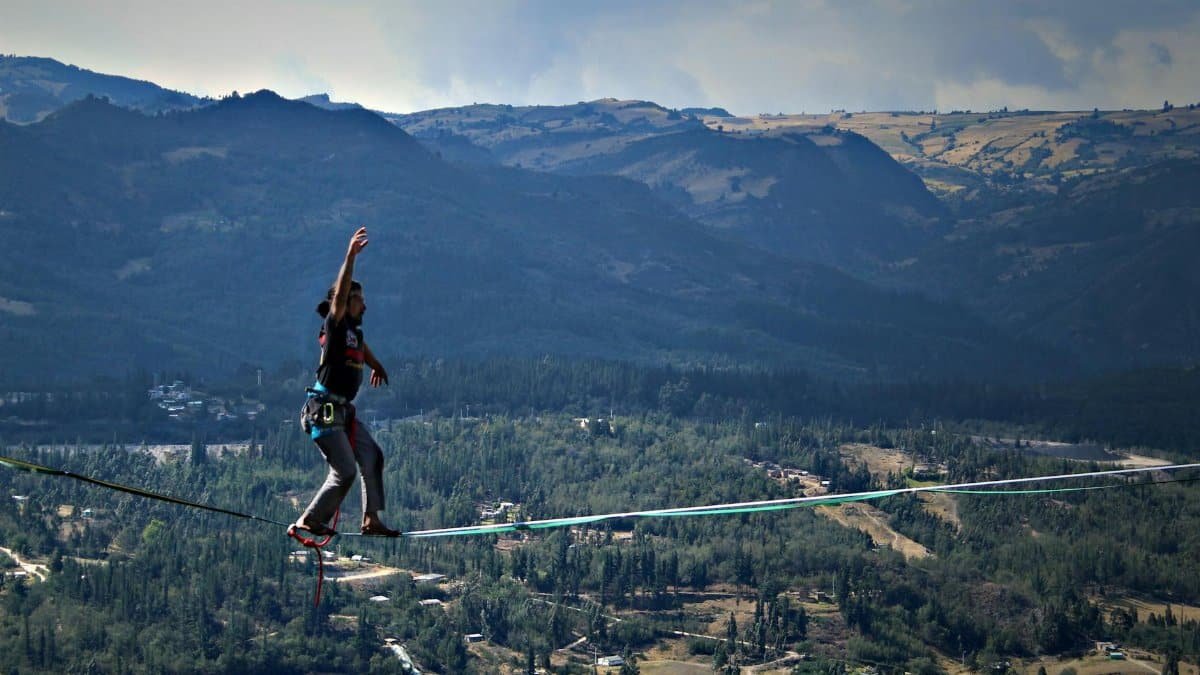
The growing popularity of these advanced movements reflects a cultural shift toward training that engages both body and mind. Yet sustainability remains paramount especially for those balancing careers and family obligations. Smart practitioners scale their ambitions to fit realistic schedules focusing on consistent modest progress rather than dramatic short term gains. This measured approach often yields the most satisfying long term results. The true value emerges not from mastering every skill but from the qualities developed through sincere effort over years. In this light circus lifts build strength that extends well beyond the physical realm into a more integrated and capable way of moving through life.
As fitness continues evolving these circus inspired methods offer a compelling alternative to increasingly technological training solutions. They remind us that some of the most effective tools have existed for centuries in different forms. For those willing to embrace the journey the rewards include not only greater physical capability but a deeper connection to their own potential. The question is not whether circus lifts build strength but whether we possess the patience and humility to let them teach us what strength truly means.