

In the dim light of early morning before the world accelerates into its usual frenzy many middle aged Americans are choosing a different start to their day. They reach not for a glowing screen but for a pen a book or a simple cup of coffee savored in silence. This shift marks the rise of what has become known as analog living a mindful return to activities that engage the senses and anchor attention in the present moment.
For years digital devices promised to make life easier and more connected. Yet for a growing number of people the opposite has proven true. Constant connectivity has brought with it a sense of overload that leaves many feeling scattered and exhausted. Mindfulness practices have emerged as a bridge to something better. By training individuals to observe their habits without judgment these techniques have helped fuel interest in analog alternatives that restore a sense of control and calm.
The Toll of Digital Overload on Daily Life

Years of research show that the average adult now spends more than seven hours daily staring at screens. This constant exposure fragments attention in ways that affect everything from sleep quality to personal relationships. Middle aged professionals report feeling mentally drained even after a full night of rest because their minds continue processing the stream of information absorbed throughout the day.
Notifications trigger small surges of stress hormones that accumulate over time. The result is a population that feels perpetually behind yet unable to disconnect. Many describe a vague sense of loss for the slower more deliberate pace they remember from earlier decades. This fatigue has created fertile ground for new approaches that prioritize depth over speed.
Defining Analog Living for a New Generation

Analog living describes the intentional choice to use physical tools and unmediated experiences in daily routines. It does not reject technology entirely but places it in its proper role as servant rather than master. Practitioners might handwrite letters keep a paper calendar or develop photographs in a home darkroom. The emphasis falls on activities that unfold at human speed and engage multiple senses.
This movement resonates especially with those in their forties fifties and sixties who have witnessed the full arc of the digital revolution. Having experienced both the wonder and the weariness of constant connection they now seek practices that nourish rather than deplete their inner resources. The philosophy values presence above productivity and relationship above reach.
The Central Role of Mindfulness in This Transition
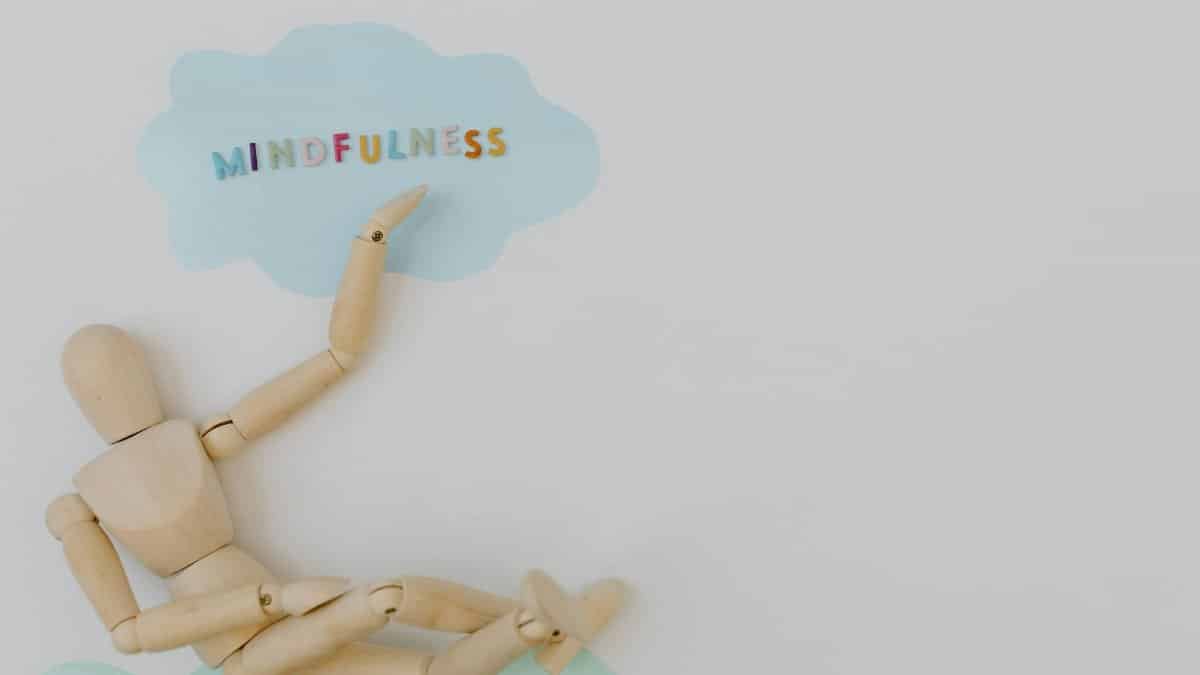
Mindfulness teachers have become important guides in the shift toward analog living. Through meditation and body awareness exercises people learn to notice when digital habits have overtaken their days. This gentle observation often sparks the desire to reclaim time and attention through simpler means. The mindful approach removes the shame that sometimes accompanies technology struggles and replaces it with curiosity and choice.
Programs that combine mindfulness training with analog experiments have shown promising results. Participants report greater satisfaction in everyday tasks and improved ability to remain present with family and friends. The practice of noticing without immediate reaction appears to weaken the automatic pull of devices and strengthen the muscle of deliberate attention.
How Handwritten Notes Enhance Memory and Focus

Neuroscientific studies suggest that the physical act of writing by hand creates stronger neural pathways than typing the same information. One investigation from the University of Tokyo found that participants who took notes manually demonstrated better recall and conceptual understanding than those who used laptops. The slower pace of handwriting appears to give the brain time to process ideas more thoroughly.
Many who adopt analog living begin with something as simple as a daily journal practice. The tactile feedback of pen on paper combined with the absence of digital distractions creates a small sanctuary for reflection. Over time these practitioners discover that thoughts expressed through ink often carry more emotional weight and clarity than those dashed off in digital spaces. Mindful.org explores this connection in depth.
The Quiet Satisfaction of Physical Books

Independent bookstores have reported a surprising resurgence in sales among readers over forty. Many describe the experience of holding an actual book as fundamentally different from reading on a device. The weight the texture of pages and the ability to see progress through a physical object all contribute to a deeper sense of engagement with the material.
Without the temptation of hyperlinks or background applications readers report becoming more fully immersed in narratives and ideas. This sustained attention appears to restore a capacity for deep reading that many felt had diminished over years of digital consumption. The simple act of turning a page becomes a small mindfulness practice that reinforces presence.
Nature Engagement Without Digital Mediation

Weekend hiking groups that enforce a no phone policy have grown in popularity across suburban and rural areas. Participants describe a qualitative difference in their experience of the natural world when devices remain behind. Without the impulse to document or share the moment attention settles more completely on sights sounds and sensations.
These outings often incorporate simple mindfulness exercises such as conscious breathing or sensory awareness. The combination of physical movement and undistracted presence produces what many describe as a profound feeling of renewal. For middle aged adults carrying career and family responsibilities these hours without digital demands become essential to mental equilibrium.
Personal Stories of Renewed Presence

Sarah Thompson a former technology executive from Oregon traded her tablet for watercolor paints after experiencing severe burnout. Two years later she maintains a small studio where she creates daily. Thompson reports that the focused attention required for painting has translated into greater patience with her grandchildren and more meaningful conversations with her partner.
Similar accounts emerge from book clubs that meet without devices from letter writing circles and from board game communities. These practitioners speak of rediscovering parts of themselves that had grown quiet beneath layers of digital stimulation. Their experiences suggest that analog living offers more than nostalgia. It provides a practical path toward greater emotional availability and inner peace.
Practical Steps Anyone Can Take

Those curious about analog living need not overhaul their entire existence at once. Small experiments often prove most sustainable. Setting device free zones within the home such as the dining table or bedroom can create immediate pockets of presence. Replacing one digital habit with a physical counterpart whether morning pages or evening reading also yields noticeable benefits.
Many find success by first tracking how they currently spend their time. This honest assessment frequently reveals opportunities for substitution. The goal remains balance rather than purity. Most practitioners maintain essential digital tools while protecting significant portions of each day for analog experiences that restore their sense of self.
Addressing Common Doubts and Obstacles
Skeptics sometimes dismiss analog living as unrealistic or elitist. They argue that modern careers demand constant availability and that not everyone possesses the luxury of disconnection. These concerns deserve consideration. The movement continues to evolve as participants develop creative solutions that respect both professional obligations and personal limits.
Accessibility remains another important conversation. Not all analog activities require expensive materials. A simple library card blank paper and basic art supplies can open meaningful doors. The essential element is not equipment but intention. Communities have formed both online and in person to share strategies and encouragement making the transition feel less isolating.
The Spiritual Dimension of Analog Living

Beyond practical benefits many discover a spiritual quality in these practices. The deliberate slowing down creates space for contemplation and gratitude that rushed digital lifestyles often crowd out. Whether through gardening cooking from scratch or silent observation of morning light these activities invite a sense of connection to something larger than the self.
This aspect particularly appeals to those exploring spirituality outside traditional religious structures. Analog living offers an embodied path toward presence that aligns with contemplative traditions across cultures. The movement thus sits at the intersection of psychology technology criticism and spiritual inquiry offering a holistic response to contemporary discontent.
Looking Forward With Cautious Optimism

As awareness grows analog living may influence product design urban planning and workplace culture. Some companies have begun experimenting with policies that protect employees from after hours digital demands. Schools are reconsidering the role of screens in early education. These developments suggest the conversation has moved beyond individual choice into broader social questions.
The future will likely involve more sophisticated integration of digital and analog worlds rather than outright rejection of technology. What matters is that individuals regain agency over their attention and presence. For those who have already made the shift the rewards appear substantial: deeper relationships clearer thinking and a more spacious experience of daily life.
The quiet revolution continues in kitchens gardens and studies where middle aged hands once again hold pens instead of phones. Through mindfulness and conscious choice these individuals are demonstrating that it remains possible to live with greater intention even in an age of endless distraction. Their example invites others to consider what small analog step they might take tomorrow morning when the first light appears and the screens have not yet claimed their attention.