
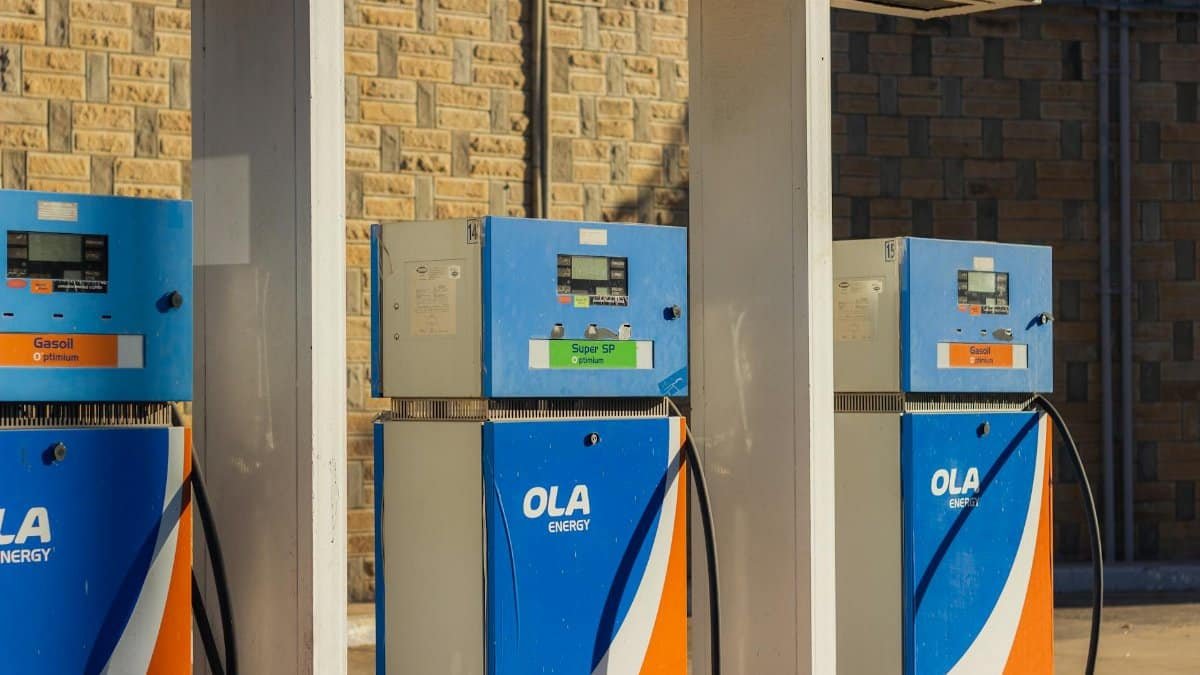
At a bustling truck stop outside Atlanta last week, veteran driver Maria Gonzalez stared at the pump display, her rig idling behind her. The numbers ticked up faster than usual—$4.89 a gallon for diesel, $4.45 for regular unleaded. “This isn’t just a fill-up; it’s a mortgage payment,” she muttered, swiping her card. Across the nation, similar scenes unfold as diesel gasoline climbing grips drivers amid an escalating war involving Iran, which has choked key oil routes in the Middle East. Wholesale fuel costs have spiked 30 percent in days, according to the U.S. Energy Information Administration, sending ripples from refineries to rural gas stations. For middle-class families and fleet operators alike, the pain is immediate, threatening budgets and broader economic stability.
The Iran Conflict: A Fuse to Global Energy Chaos

The war’s origins trace to late-month escalations between Iran and its adversaries, with strikes on shipping lanes in the Strait of Hormuz—a chokepoint for 20 percent of the world’s oil. Iranian forces have targeted tankers, prompting retaliatory naval patrols and insurance premiums that have doubled overnight. Analysts at the International Energy Agency note that this disruption has already shaved 2 million barrels per day from exports, directly fueling the diesel gasoline climbing trend. Without swift de-escalation, experts warn of prolonged shortages.
Wholesale Shockwaves Hit U.S. Refineries

American refiners, heavily reliant on imported crude, face their sternest test since the 1970s oil embargo. Brent crude futures surged past $90 a barrel, while West Texas Intermediate climbed to $86. The New York Mercantile Exchange reported diesel futures at a three-year high of $2.85 per gallon. This wholesale frenzy cascades downstream, as terminals in Houston and New Jersey ration supplies to prioritize high-volume buyers. Small distributors, squeezed by margins now below 5 cents per gallon, pass costs directly to retailers.
Pump Prices: The Consumer’s Breaking Point
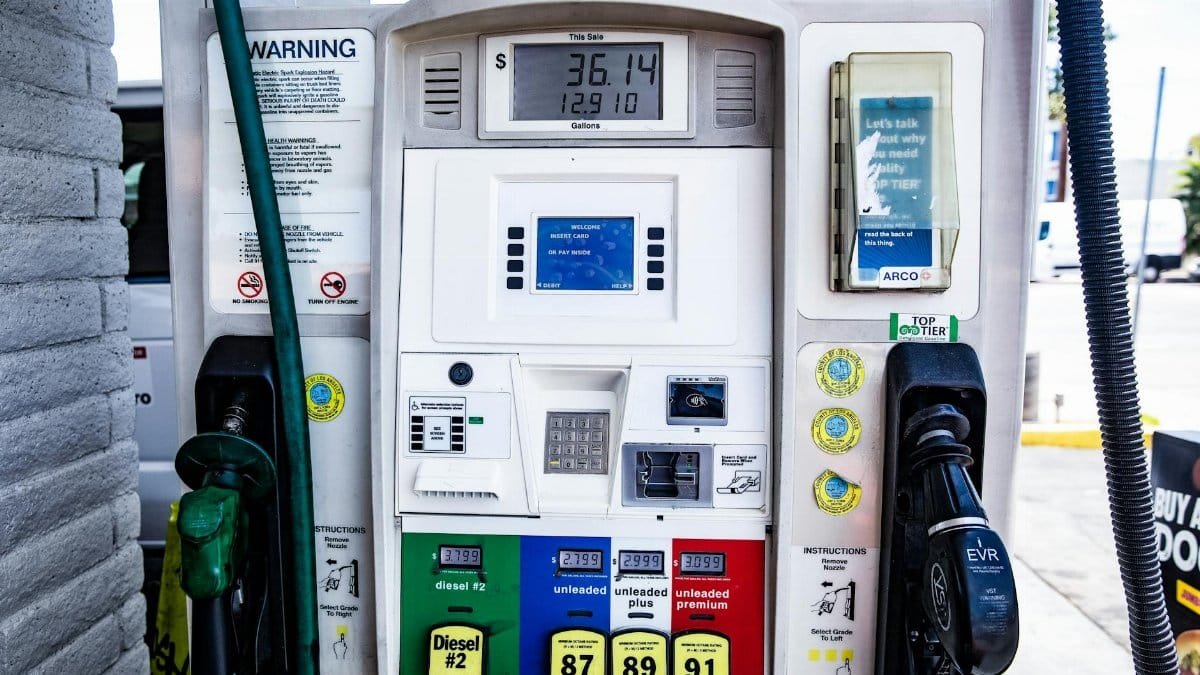
From California coast to Midwest heartland, retail gasoline averages $4.32 nationally, up 45 cents in a week, per AAA data. Diesel, vital for semis and farms, hovers at $4.95 in some states, exacerbating diesel gasoline climbing for those least able to absorb it. In Ohio, a family road trip now costs $120 more round-trip; in Texas, ranchers delay feed hauls. Polls from Gallup show 68 percent of Americans view fuel costs as their top financial worry, eclipsing inflation concerns.
Trucking Industry Reels from Diesel Surge
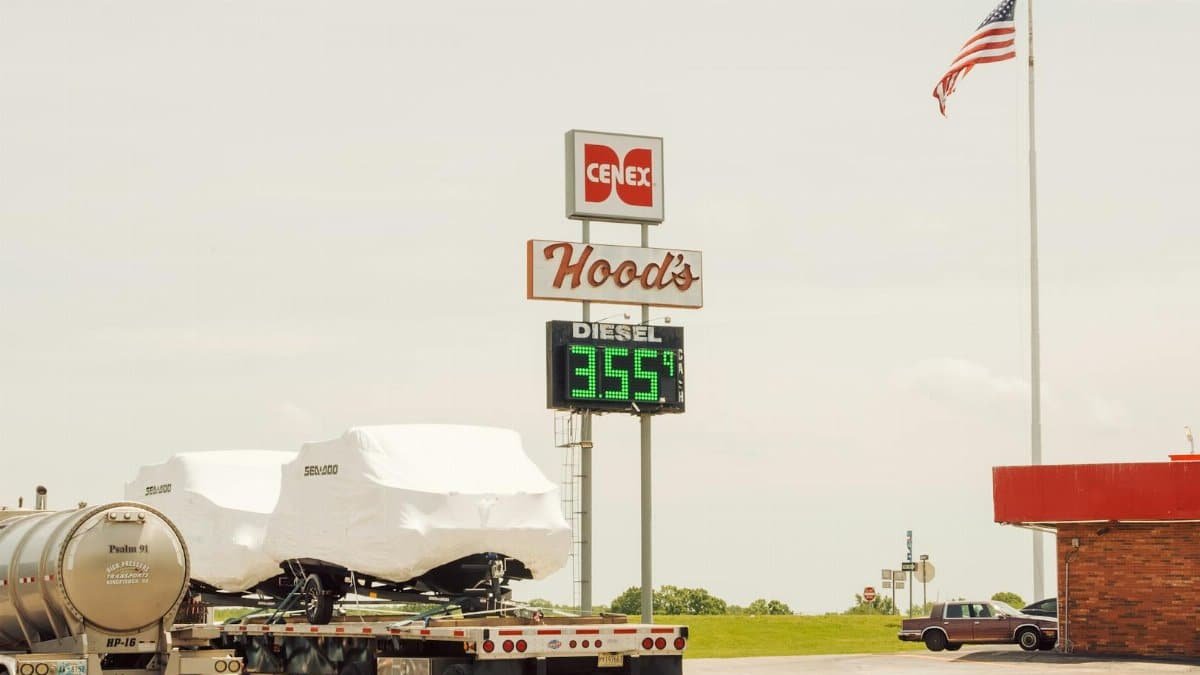
The American Trucking Associations reports carriers burning through $1 billion extra weekly on fuel alone. Long-haul routes from ports to warehouses see operating costs jump 15 percent, prompting surcharges on everything from Amazon packages to grocery deliveries. Smaller operators like those in the Owner-Operator Independent Drivers Association face bankruptcy risks, with some idling fleets. “Diesel gasoline climbing isn’t abstract—it’s empty trailers and lost jobs,” said association president Todd Spencer in a recent statement.
Farmers and Food Prices Feel the Heat

Agriculture bears a hidden brunt, as diesel powers combines, irrigation pumps, and grain trucks. The American Farm Bureau Federation estimates an additional $12 billion in annual costs if prices hold. Corn and soybean harvests in Iowa delay as fuel budgets tighten, potentially lifting grocery staples by 8 to 10 percent by spring. In the South, cotton growers pivot to rail, but bottlenecks persist. This chain reaction underscores how diesel gasoline climbing amplifies food insecurity amid global tensions.
Airlines and Shipping Redirect Amid Shortages

Jet fuel, derived from similar crude stocks, has risen 25 percent, grounding discount carriers’ expansion plans. Delta and United imposed fuel surcharges, while FedEx warns of holiday delays. Maritime shipping, already strained by Red Sea reroutes around Africa, adds 10 days and millions in diesel costs per vessel. The World Shipping Council projects a 5 percent hike in container rates, embedding diesel gasoline climbing into the price of imported electronics and apparel.
Household Budgets Stretch Thin

For the typical middle-aged household, commuting and errands now claim an extra $50 monthly, per Bureau of Labor Statistics figures. Hybrid owners gain scant relief, as electricity rates rise with natural gas linkages. Low-income suburbs see demand drop at stations, while electric vehicle sales stall due to charger scarcity. Financial advisors recommend apps like GasBuddy for savings, but long lines and dynamic pricing erode gains. The squeeze fosters a quiet resentment, with surveys showing partisan divides on energy policy sharpening.
Washington’s Response: Too Little, Too Late?

The Biden administration released 10 million barrels from the Strategic Petroleum Reserve, a short-term balm covering just days of demand. Calls grow for tapping more or easing refinery regulations, though environmental groups resist. Bipartisan bills propose tax holidays on fuel, yet Senate gridlock persists. Critics, including former Energy Secretary Dan Brouillette, argue for diversified imports from Canada and Guyana. Internationally, OPEC+ pledges spare capacity, but Iran’s disruptions demand diplomatic breakthroughs.
Renewables Race Against the Clock

Wind farms in Texas and solar arrays in Arizona churn power, yet battery storage lags, limiting offsets to transport fuels. Electric trucks from Tesla promise diesel relief by 2026, but infrastructure trails. Biofuels from corn ethanol offer a bridge, with mandates potentially expanding under the Inflation Reduction Act. Investors pour into hydrogen pilots, eyeing long-term escapes from diesel gasoline climbing volatility. Still, scaling takes years, leaving hybrids and efficiency tweaks as immediate lifelines.
Global Markets Brace for Winter Volatility

Europe, weaning off Russian gas, competes fiercely for LNG, indirectly bidding up U.S. crude exports. China’s stimulus may boost demand, while India’s refining boom strains supplies. Futures markets price in $100 oil by December if Hormuz tensions fester. The Paris-based International Energy Agency urges conservation campaigns, echoing 1970s odd-even rationing whispers stateside. For consumers, hedging via fixed-rate fuel cards emerges as a savvy move.
Lessons from History, Paths Forward

Recall the 1979 crisis, when Iranian revolution doubled prices and sparked recessions. Today’s diesel gasoline climbing echoes that, yet U.S. production resilience—now at 13 million barrels daily—offers buffers. Energy Secretary Jennifer Granholm touts record output, but geopolitics overrides drills. Experts like those at EIA’s Short-Term Energy Outlook forecast stabilization by mid-2025 if ceasefires hold. For now, drivers adapt: carpooling surges, remote work endures. Resilience defines this era, turning fuel rage into calls for energy independence.
In the end, the Iran war’s shadow over pumps reminds us of oil’s enduring grip on daily life. As prices crest, innovation and policy must catch up, lest economic tremors deepen.