

At Atlantas Hartsfield-Jackson International Airport last week, Sarah Jenkins, a schoolteacher from Nashville, stared at the Delta counter in disbelief. Her family vacation carryon limit had been stretched to the brink, and now the agent slid over a receipt for an extra 35 dollars on her first checked bag. Jenkins was not alone; whispers of frustration rippled through the line as travelers recalculated budgets midcheckin. This scene has become commonplace since Deltas unherannounced delta bag fee increase, a 20 percent hike that caught millions off guard and ignited fresh debates about the true cost of flying domestic.
Unpacking the Fee Details
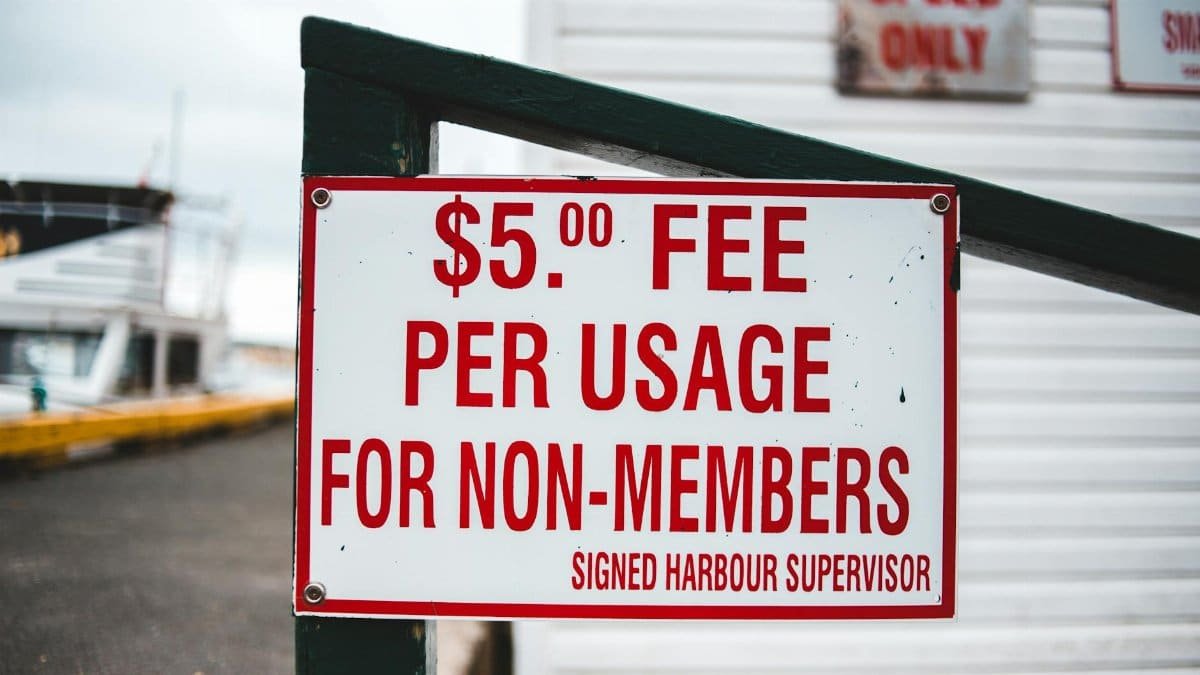
The change took effect quietly on domestic flights starting early this month. Deltas first checked bag now costs 35 dollars, up from 30 dollars, while the second bag fee jumped to 45 dollars from 40 dollars. These rates apply to most nonstop and connecting flights within the United States, though exceptions linger for frequent flyers and international routes. For context, the adjustment marks the first broad increase since 2018, pushing the average perbag charge higher amid stubborn inflation. Travelers paying for both bags on a roundtrip now face an extra 40 dollars per person compared to last year, a sum that adds up quickly for families or groups.
Delta’s Rationale Behind the Rise

Delta executives point to escalating operational costs as the primary driver. Fuel prices remain volatile, labor shortages plague ground crews, and baggage handling systems demand ongoing upgrades. In a statement to aviation outlets, the airline emphasized that fees help offset these pressures without raising base fares across the board. Yet critics question the timing. With record profits reported in the second quarter nearly 2 billion dollars the carrier appears flush enough to absorb some strain. Still, Delta insists the delta bag fee increase aligns with industry norms, preserving affordability for passengers who pack light.
Passenger Backlash Builds Steam

Social media erupted almost immediately. On platforms like Reddit and X, formerly Twitter, threads titled Travel Rage exploded with stories of sticker shock. One viral post from a Phoenixbased consultant tallied 70 dollars in fees for a weekend trip, dubbing it the straw that broke the carryon camel’s back. Hashtags like Deltascam and BagFeeBandit trended briefly, amplifying calls for transparency. Airlines face no federal mandate to preview such changes, but the lack of notice fueled accusations of baitandswitch tactics. Surveys from travel watchdog groups show 62 percent of respondents now view baggage fees as the top pain point in air travel.
How It Compares to Rivals

Delta is not flying solo here. American Airlines matches the new 35dollar firstbag rate, while United holds steady at 35 dollars for the first but charges 45 dollars for the second, mirroring Deltas update. Southwest remains the outlier, still offering two free checked bags to lure budgetconscious crowds. Lowcost carriers like Spirit and Frontier impose even steeper penalties, often starting at 35 dollars for carryons alone. This delta bag fee increase positions Delta squarely in the middle of the pack, yet it underscores a broader shift: basic checked luggage, once complimentary, now generates over 7 billion dollars annually across U.S. airlines, per the Department of Transportation.
Budget Travelers Feel the Pinch Most

Middleincome families and solo adventurers bear the brunt. Consider a typical crosscountry jaunt from New York to Los Angeles: add 70 dollars roundtrip per person for bags, and a family of four surrenders 280 dollars before takeoff. For seniors on fixed incomes or young professionals scraping by, this delta bag fee increase tips the scales toward driving or trains. Data from travel analytics firm Hopper indicates a 12 percent uptick in searches for bagfree itineraries since the news broke. Many now scour farecomparison sites for Southwest deals or endure the hassle of personalitemonly packing.
Strategies to Dodge the Fees
Savvy flyers are adapting fast. Loyalty programs offer waivers: Delta SkyMiles Medallion members check the first bag free, a perk extended to copays on credit cards like the Delta SkyMiles Gold American Express. Packing hacks abound, from compression cubes to wearable gear that blurs the line between clothing and luggage. Airports increasingly stock shipping services like UPS Stores for lastminute sends. For the ultraminimalist, apps like PackPoint generate barebones lists tailored to trip length. These workarounds mitigate the sting, but they demand planning in an era of spontaneity.
Ripple Effects on Domestic Fares

Will this prompt a fare war? Analysts watch closely. Base ticket prices have stabilized postpandemic, but ancillary fees like bags now comprise up to 20 percent of revenue for fullservice carriers. The delta bag fee increase could embolden competitors to follow suit, squeezing margins for discounters. Economists at Airlines for America predict modest basefare hikes in 2025 if fuel trends upward. Travelers might see bundled fares emerge, packaging bags with seats for a flat premium. Early signs point to stabilization, though holiday booking windows reveal slight upticks on Delta routes.
The Spiritual Side of Travel Rage

Beneath the ledger lines lies a deeper discontent. In an age of mindfulness apps and decluttering mantras, lugging extra baggage feels antithetical to modern ethos. Psychologists link feeinduced frustration to broader anxieties about control and excess. Travel rage, as forums dub it, manifests in line standoffs or online tirades, echoing societal strains over rising costs. For many, flying evokes freedom; these nickelanddime tactics erode that joy. Astrologer Natasha Weber notes alignments in late summer urging release of material burdens, perhaps a cosmic nudge toward lighter loads both literal and metaphorical.
Regulatory Scrutiny Looms

Lawmakers are taking note. Senators from budgetstrapped states have queried the Department of Transportation on fee transparency. Bills proposing bagfee caps or mandatory disclosures gain traction in committees. The European Union long regulates such charges; could America follow? For now, the DOT monitors complaints, which spiked 15 percent postannouncement. Delta, via spokesperson Morgan Durrant, welcomes dialogue but defends fees as voluntary. Change feels distant, yet public pressure could reshape the landscape.
Looking Ahead: What Travelers Can Expect
Forecasts suggest more tweaks. With leisure travel rebounding to prepandemic levels, airlines eye revenue wherever possible. International bags might rise next, given global inflation. Positive notes include Deltas investments in bagtracking tech, reducing lostluggage claims. For consumers, the delta bag fee increase serves as a reminder: read the fine print, join a program, or embrace minimalism. As one veteran flyer put it, the real journey begins when you let go of the excess.
This shift, detailed first by The Points Guy (https://thepointsguy.com/news/delta-raises-checked-bag-fees/), highlights air travels evolving economics. While fees climb, so does the imperative for mindful packing. In the end, whether chasing sunsets or family reunions, the skies remain open just a bit pricier.