
The World Health Organization has sounded a deadly alarm. On February 12, 2026, a new fatal case of Nipah virus was confirmed, tied directly to drinking raw date palm sap contaminated by fruit bats. This virus carries a high mortality rate and has no known vaccine, raising fears of a broader nipah virus outbreak. Health authorities urge caution as the pathogen’s lethal profile demands immediate vigilance.
WHO’s Urgent Alert
The World Health Organization issued a stark warning on February 12, 2026, confirming a fresh fatal Nipah virus case. This alert highlights the virus’s persistent threat, especially in regions where traditional practices intersect with natural reservoirs. Without swift action, isolated incidents could escalate. The WHO’s announcement serves as a global call to monitor and mitigate risks tied to this bat-borne killer. For detailed background, see the WHO Nipah Virus Health Topic.
New Fatal Case Confirmed
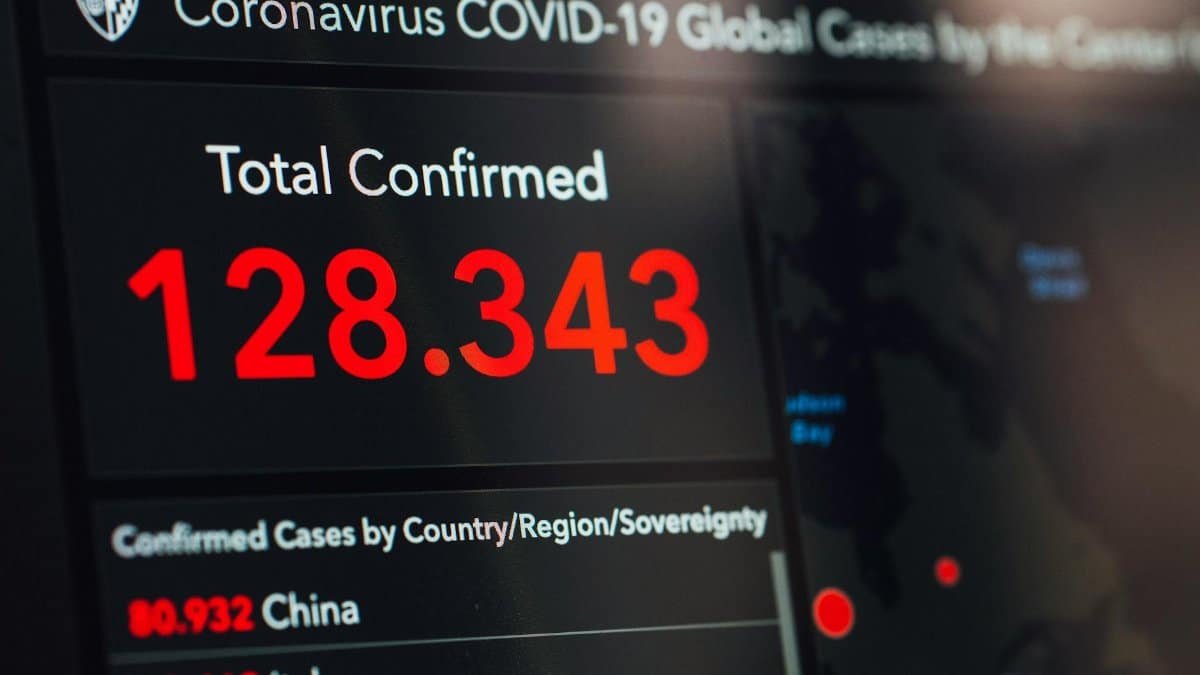
A single, deadly Nipah virus infection has been verified, marking a grim milestone. The case underscores the virus’s ability to strike without warning. Investigators traced the infection precisely, emphasizing how everyday habits can turn fatal. This confirmation amplifies concerns over undetected spread, prompting heightened surveillance. In 2026, such reports remind U.S. health officials of the need for international tracking, even as no domestic cases appear.
Nipah Virus’s High Mortality Rate

Nipah virus stands out for its exceptionally high mortality rate. Victims face severe outcomes, with survival hanging in precarious balance. This lethality sets it apart from many pathogens, fueling its reputation as a priority threat. The absence of treatments amplifies every exposure’s danger. Public health experts stress that this rate drives the urgency behind every alert, pushing for rapid response protocols worldwide.
No Known Vaccine Exists
One of the most alarming facts: no vaccine protects against Nipah virus. Research lags, leaving populations exposed. This gap heightens vulnerability, particularly where transmission risks persist. Efforts continue, but the current void means prevention relies solely on avoiding contact. The CDC Nipah Virus page outlines the challenges, reinforcing why this detail dominates WHO communications.
Link to Raw Date Palm Sap
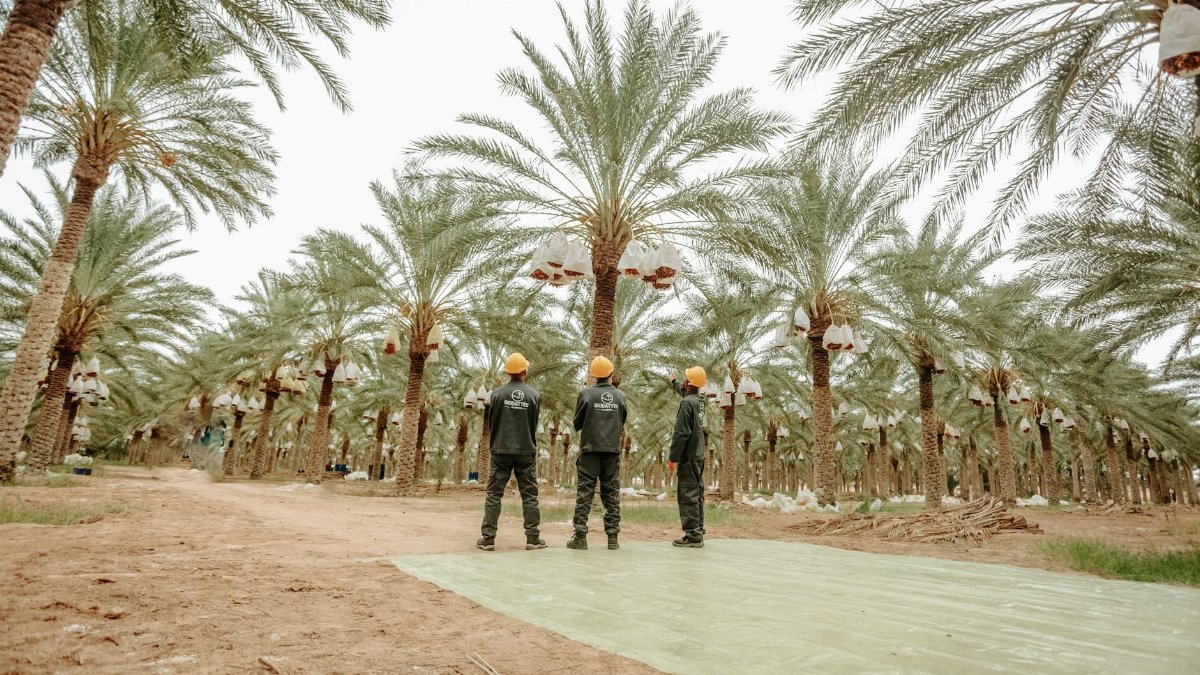
The confirmed case stemmed from consuming raw date palm sap. This traditional drink, prized in certain cultures, becomes a vector when tainted. Sap collection exposes it to contaminants from nearby wildlife, turning a seasonal staple into a hazard. Authorities now spotlight this practice during peak seasons, advising against raw consumption to curb potential chains of infection.
Fruit Bats as Key Contaminators
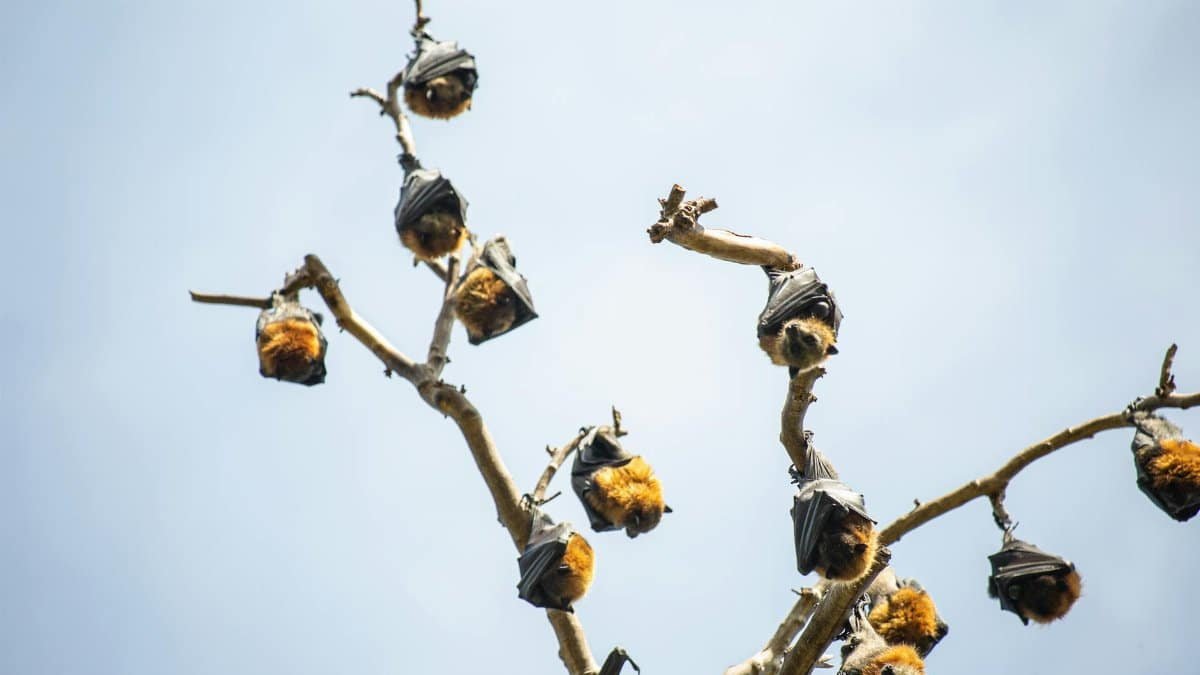
Fruit bats emerge as the primary culprits, shedding the virus into date palm sap. These flying mammals carry Nipah asymptomatically, contaminating sap through droppings or saliva during feeding. Their role in this fatal case cements bats as natural reservoirs. Disrupting human-bat interfaces proves essential, as bats’ wide range sustains the virus cycle across regions.
Implications for Nipah Virus Outbreaks

This incident signals risks of a nipah virus outbreak if unchecked. A high-mortality pathogen with no vaccine, spread via contaminated sap, poses outbreak potential in bat-populated areas. Global health networks activate early warnings to contain spread. In 2026, the event prompts reviews of surveillance systems, ensuring lessons from past exposures inform current defenses.
Public Health Response Urged
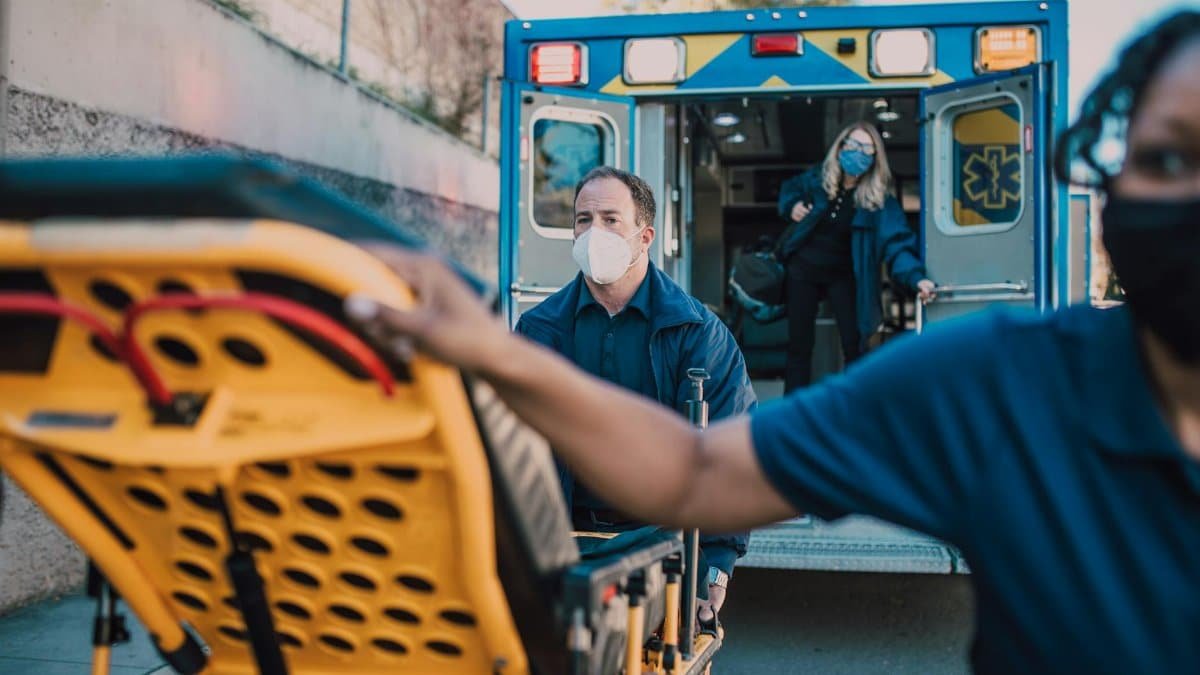
Health bodies push immediate measures post-alert. Communities near date palms face targeted advisories on safe practices. Boiling sap eliminates risks, a simple step overlooked too often. International cooperation strengthens, with WHO coordinating data sharing. U.S. agencies monitor for travel-related threats, underscoring interconnected global health in an era of rapid movement.
Path Forward Amid Uncertainty

Without a vaccine, focus shifts to breaking transmission links. Educating on bat-sap dangers forms the frontline. This 2026 case renews calls for accelerated research funding. Vigilance against Nipah remains non-negotiable, as each confirmation tests response readiness. The world watches, hoping isolation prevents wider havoc from this unrelenting virus.