

In the heart of South Dallas a once bustling cinema has stood silent for years amid shifting neighborhoods and economic pressures. Locals recall evenings when families lined up for movies under the stars and community events filled the grounds with laughter and conversation. Decades of neglect left the structure vulnerable yet its cultural weight endured through stories passed down across generations. Recent announcements confirm that restoration work will soon transform the site into an active space again. The Forest Theater reopening later in 2026 will introduce an updated outdoor gathering area designed for public use and events that reflect the surrounding community values.
Tracing the Roots of a Neighborhood Landmark
Built in the middle of the twentieth century the theater quickly became a focal point for residents seeking entertainment and connection. Its architecture reflected the era with clean lines and functional design that accommodated both indoor screenings and open air activities. Over time the venue hosted film premieres local performances and civic meetings that shaped daily life in the area. Preservation efforts gained momentum as historians documented its role in civil rights era gatherings and cultural milestones unique to South Dallas.
Understanding the Timeline for Revival

City officials and private partners coordinated funding streams that address structural repairs and modern safety standards. Construction phases are scheduled to begin early next year with completion targeted for the latter part of 2026. Project leaders emphasize phased openings to allow gradual integration of new features while minimizing disruption to nearby streets. Public updates will be shared through community forums to keep residents informed at each stage.
Designing Spaces for Contemporary Gatherings
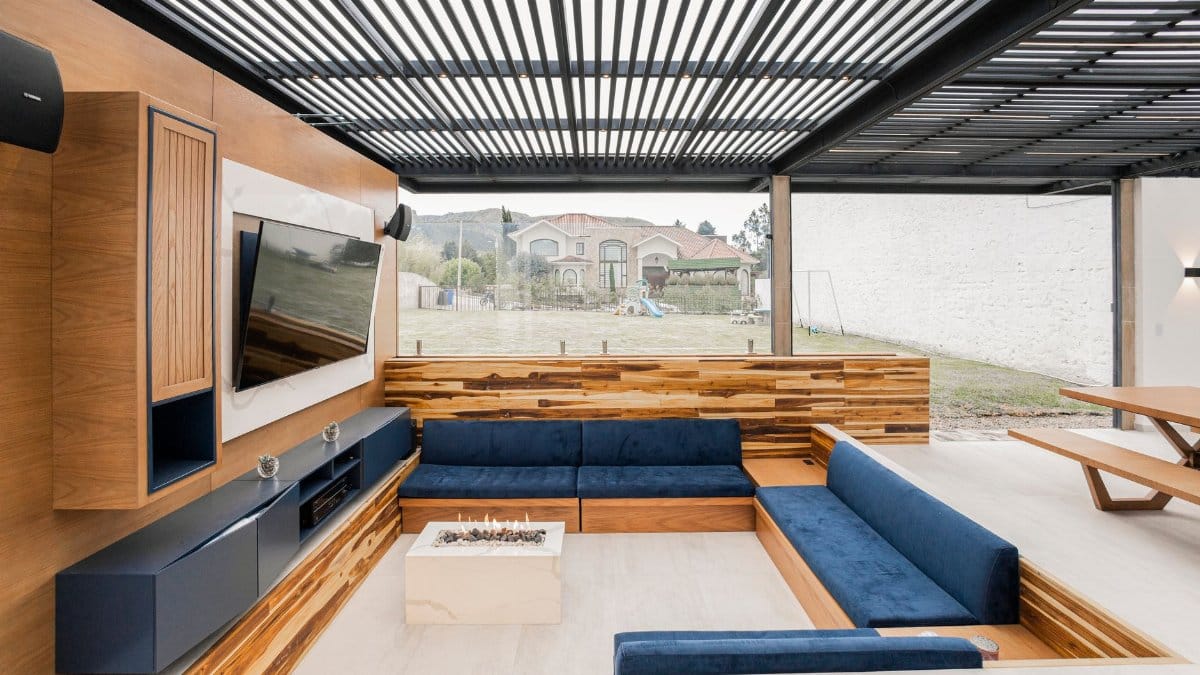
The refreshed layout prioritizes flexible areas that can host film screenings concerts and informal meetings. Planners incorporated green elements such as shaded seating zones and pathways that encourage foot traffic from adjacent blocks. Accessibility improvements include ramps wider entrances and clear signage to welcome visitors of all ages and abilities. These choices aim to balance historical character with practical needs of todays users.
Measuring Impact on Local Businesses

Merchants along nearby corridors anticipate increased foot traffic once events resume. Restaurants and shops expect spillover from theater visitors who may extend their outings before or after programs. Economic studies from similar revivals in other cities suggest modest but steady gains in sales tax revenue and job creation tied to hospitality roles. Organizers plan to partner with local vendors for concessions and event support to keep benefits within the neighborhood.
Addressing Past Challenges and Future Resilience

Decades of deferred maintenance required extensive assessments of roofing electrical systems and foundation integrity. Funding packages combined public grants private donations and historic tax credits to cover costs without overburdening city budgets. Lessons from comparable projects elsewhere guided decisions on sustainable materials and energy efficient upgrades that reduce long term operating expenses. Community input sessions helped shape policies for equitable access and programming that reflects diverse voices.
Exploring Cultural Programming Opportunities
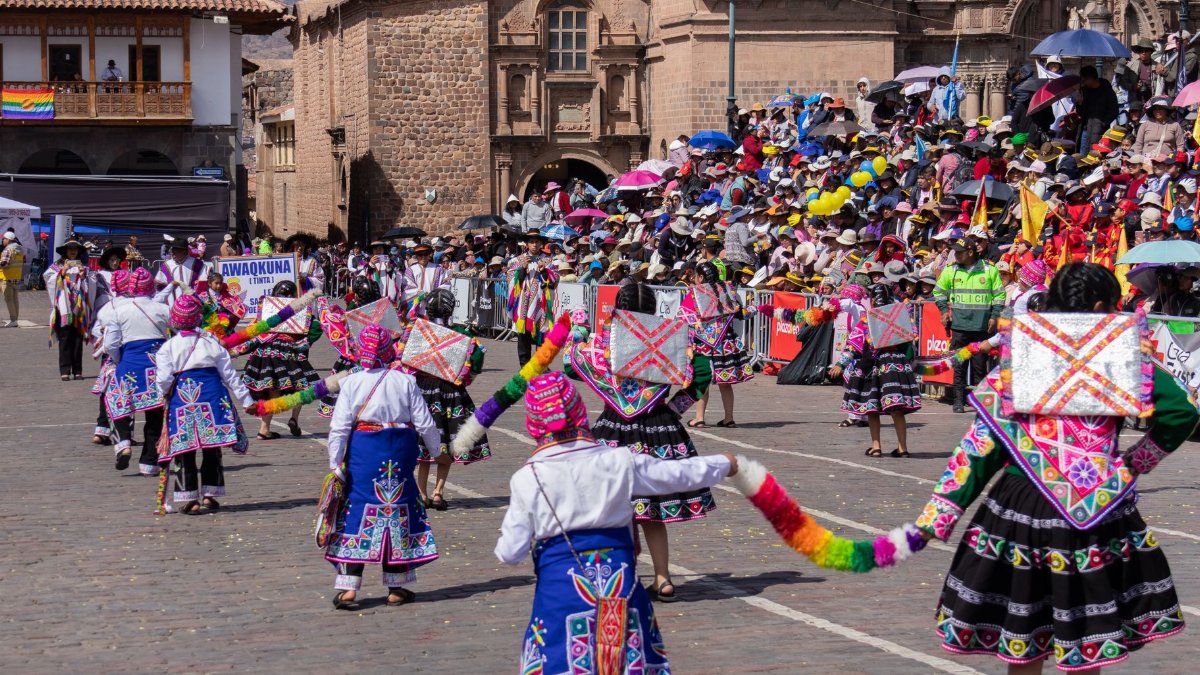
Curators are considering film series that highlight regional stories alongside classic cinema from the venues original run. Partnerships with schools and arts groups could bring educational workshops and youth performances into the calendar. Evening events might feature live music or spoken word sessions that echo the communal spirit once common on the grounds. Such offerings seek to position the site as a living archive rather than a static monument.
Reflecting on Broader Urban Renewal Trends
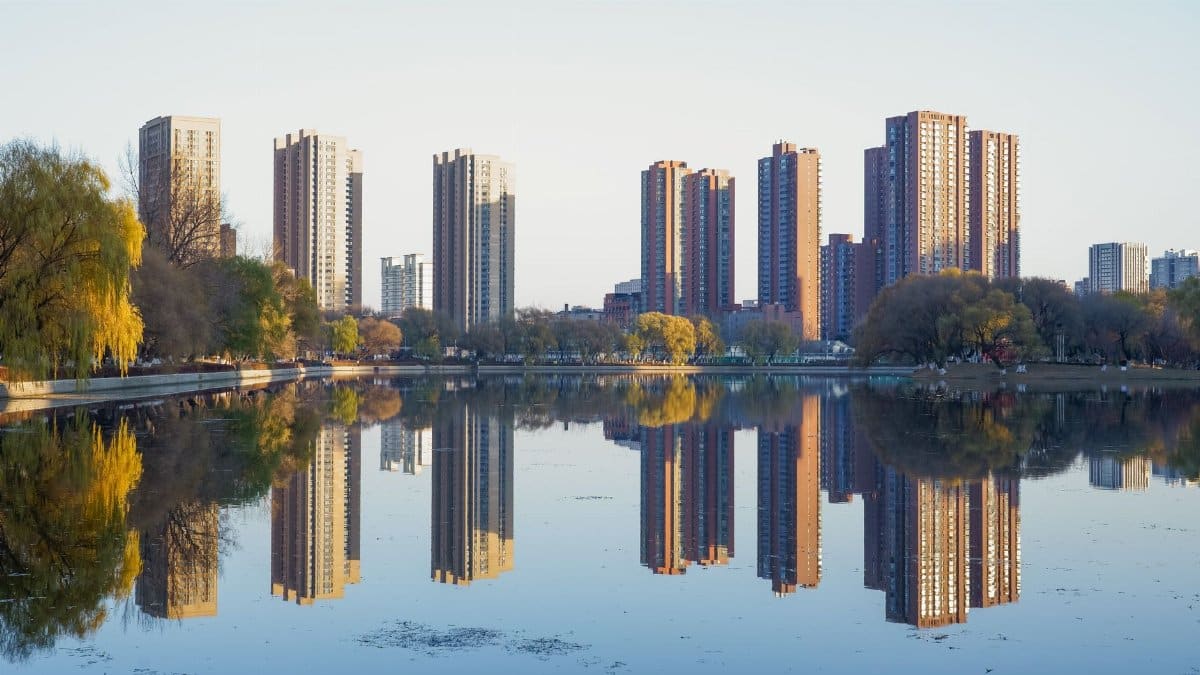
Theater revivals often serve as anchors in larger efforts to stabilize and uplift older districts facing demographic shifts. Success depends on sustained investment in surrounding infrastructure including transit options and public safety measures. Observers note that genuine progress requires ongoing dialogue between developers residents and officials to avoid displacement pressures that have accompanied some past projects. The Forest Theater reopening represents one piece of this evolving puzzle.