
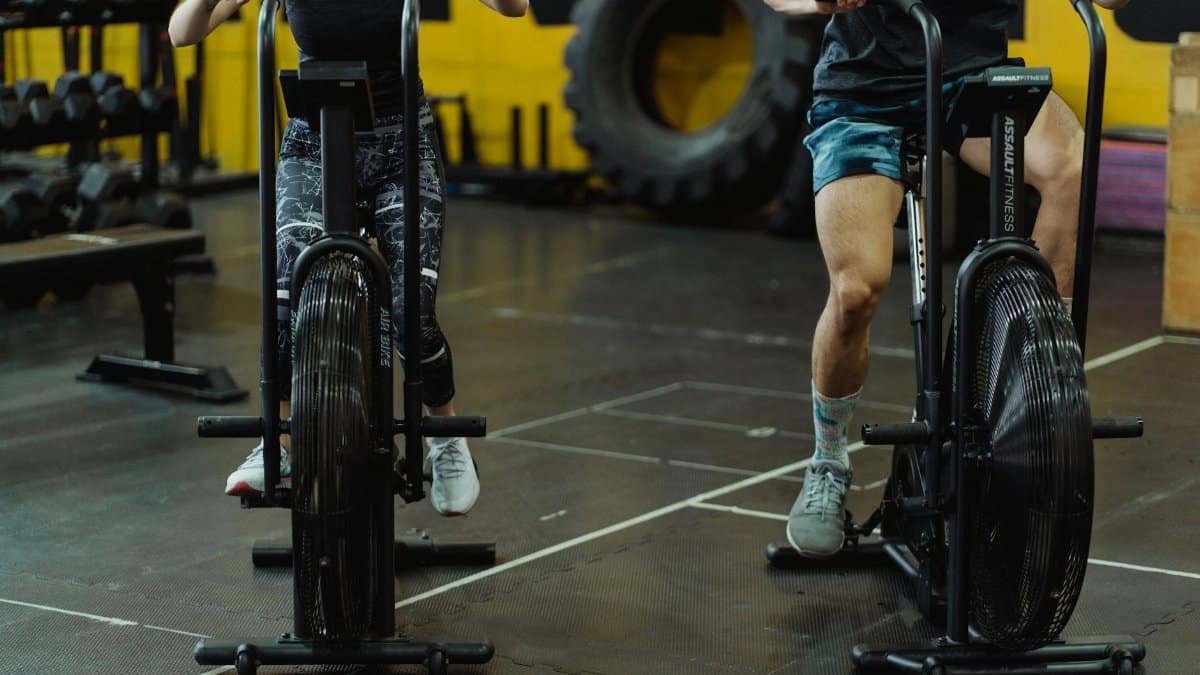
Stop lifting heavy on your period. That’s the bold advice driving “cycle syncing,” the practice of adjusting workouts to match menstrual phases. This approach is emerging as the defining fitness trend of 2026, aimed squarely at curbing female burnout. Women are rethinking gym routines, swapping intense sessions for lighter ones during menstruation to avoid exhaustion and injury. Fitness experts highlight how hormonal shifts demand this flexibility, promising sustained energy and better results long-term. As burnout rates climb among active women, cycle syncing offers a timely reset.
What Is Cycle Syncing?

Cycle syncing means tailoring exercise to the body’s menstrual phases. Instead of pushing through the same regimen every day, women align activities with hormonal changes. The core idea: listen to your cycle, not the calendar. This shift prevents overtraining during vulnerable periods, like menstruation, when heavy lifting can drain reserves and spike fatigue.
The Menstrual Phase Focus
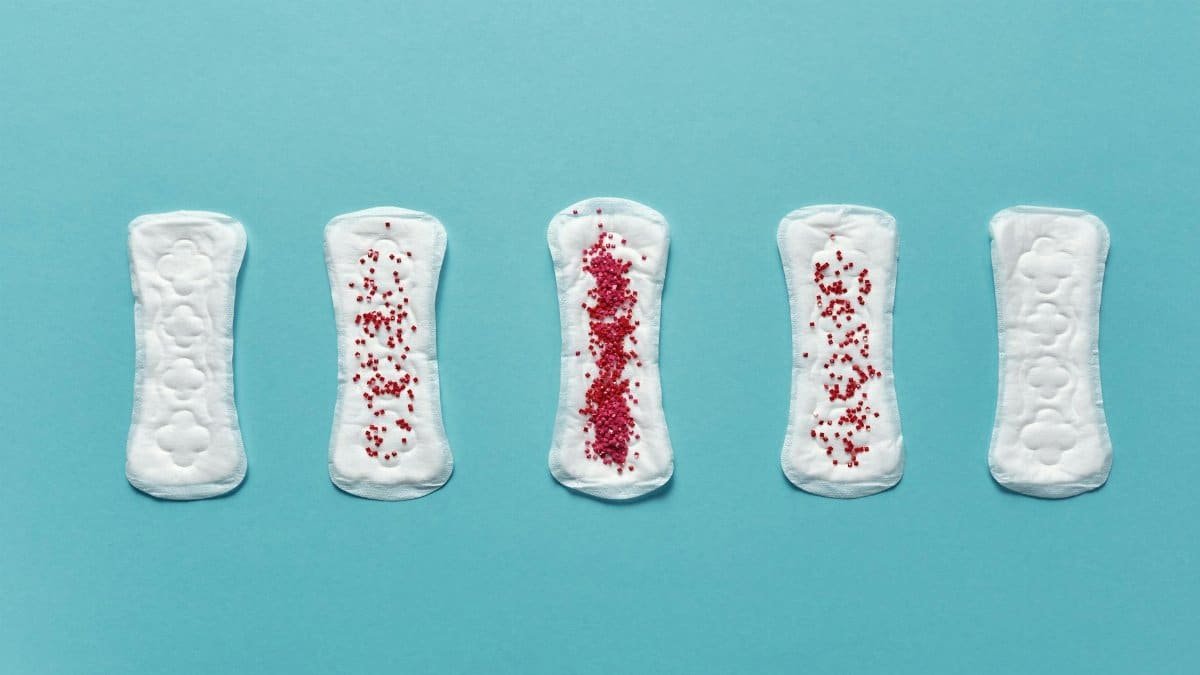
During your period, energy dips due to blood loss and hormonal lows. Traditional workouts often ignore this, leading to burnout. Cycle syncing flips the script. Skip the barbells. Opt for restorative moves like walking or yoga. This respects the body’s recovery needs, keeping motivation high without forced intensity.
Avoiding Heavy Lifts Explained
Heavy lifting on your period risks more than sore muscles. It amplifies fatigue, delays recovery, and heightens injury odds. Proponents of cycle syncing argue for gentler alternatives. Think low-impact cardio or stretching. The goal: maintain fitness gains without the crash that follows mismatched efforts.
Preventing Female Burnout
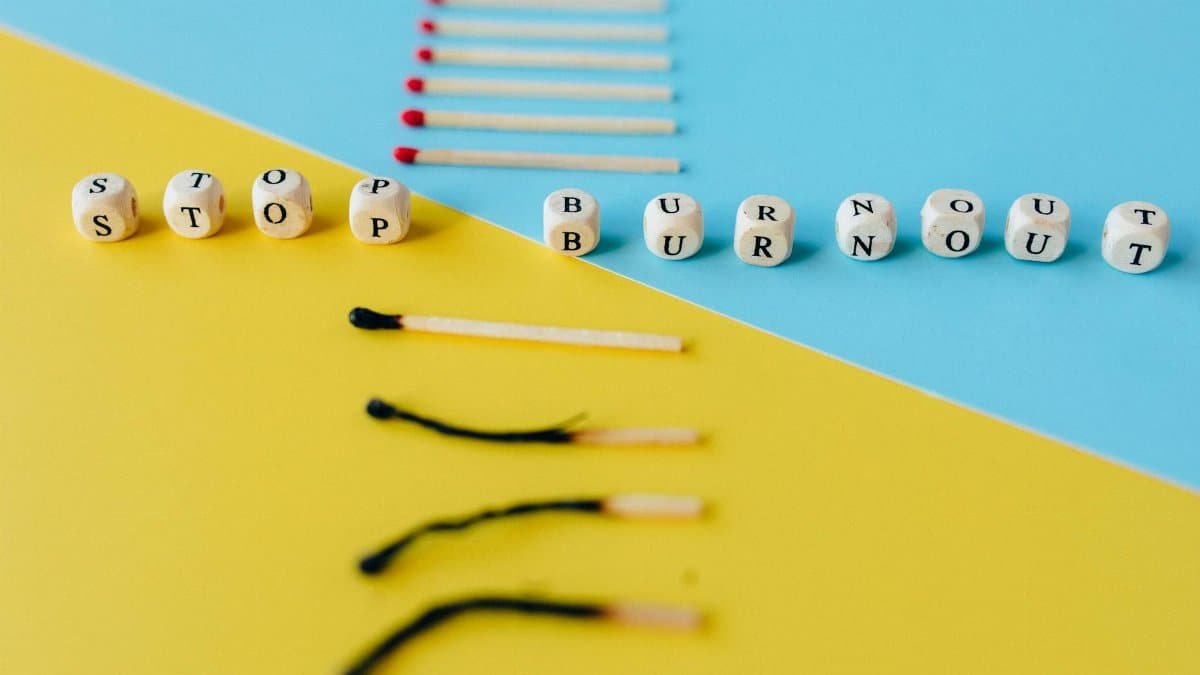
Burnout hits women hard in fitness circles. Constant high-intensity training ignores cycle-driven ebbs in strength and mood. Cycle syncing counters this by building in rest aligned with biology. Women report steadier progress, fewer dropouts, and renewed enthusiasm. It’s a practical shield against the exhaustion that derails routines.
Hormonal Shifts and Workout Adjustments
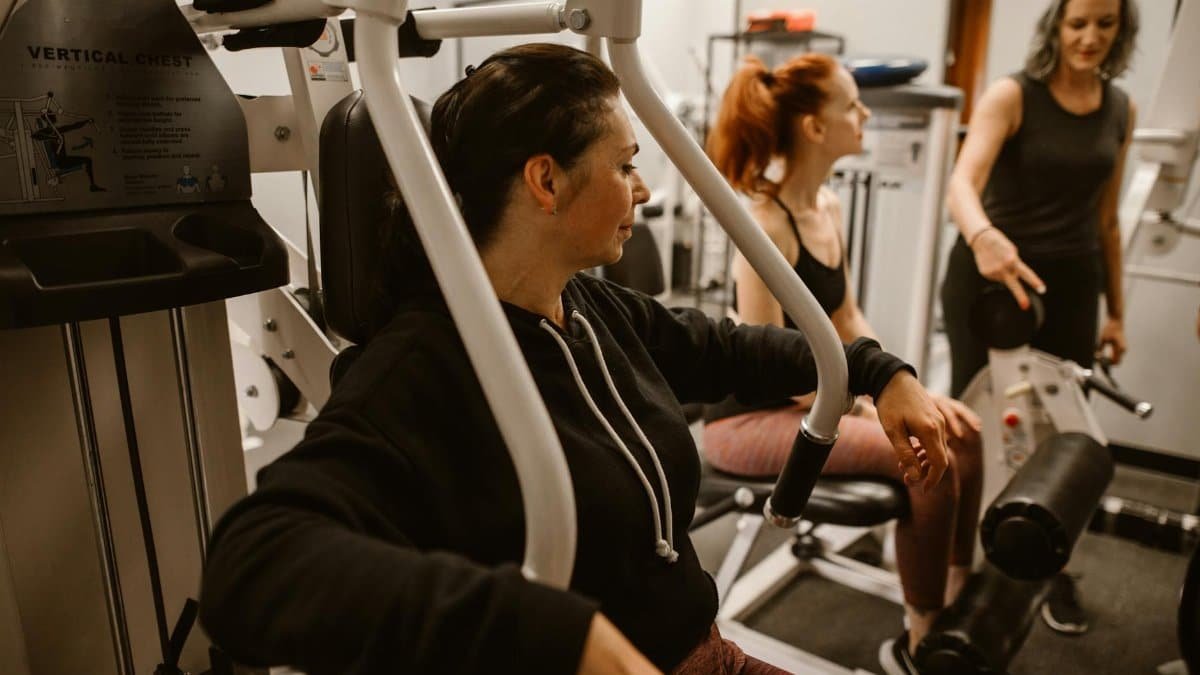
Menstrual phases bring distinct energy patterns. Cycle syncing leverages this. Lighter phases call for scaled-back efforts. The result: sustainable training that matches capability. No more grinding through low-energy days. This method fosters consistency, turning potential burnout into enduring habits.
Rise of the 2026 Fitness Trend
In 2026, cycle syncing dominates conversations. Gyms and apps promote phase-based plans. Women lead the charge, ditching one-size-fits-all programs. Dated advice to “power through” periods fades. This trend signals a broader push for personalized, biology-aware fitness.
Practical Shifts in Daily Routines

Implementing cycle syncing starts simple. Track your cycle. During menstruation, prioritize recovery. Swap weights for mobility work. As phases progress, ramp up gradually. The payoff: reduced burnout, sharper focus, and injury prevention. It’s reshaping how women approach the gym.
Broader Impact on Women’s Health
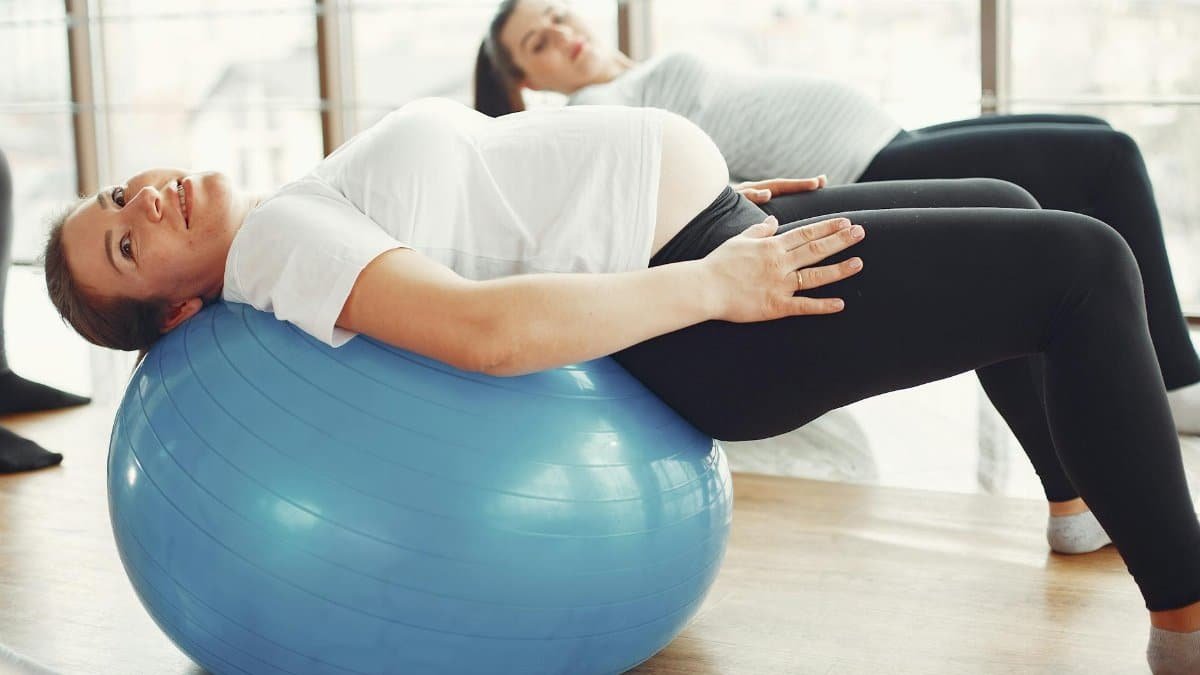
Beyond workouts, cycle syncing highlights menstrual awareness. It challenges norms that overlook female physiology. By preventing burnout, it supports mental resilience too. Active women gain tools for long-term vitality, influencing studios and online communities alike.
The menstrual cycle influences everything from energy to strength, as outlined by the Cleveland Clinic. Adjusting exercise accordingly makes sense. For deeper insight into phase-specific effects, the NIH’s menstruation overview details hormonal dynamics. Cycle syncing builds on this foundation, positioning it as 2026’s must-know trend for burnout-proof fitness.