

Cycle breaking parenting is reshaping family dynamics across the U.S., with parents vowing to end inherited emotional pain. Simply put, it means actively parenting to heal one’s own childhood wounds, a movement captured by the mantra “It stops with you.” As of February 1, 2026, this approach has emerged as the defining emotional trend for the next generation of families, signaling a shift toward intentional healing over unconscious repetition.
Defining the Cycle Breaking Movement

Cycle breaking parenting centers on a core promise: personal accountability for family healing. Parents embrace this by confronting unresolved childhood traumas—those lingering emotional scars from their own upbringings—and channeling that awareness into their child-rearing. No longer content with passing patterns forward, they prioritize self-reflection as the foundation of nurture. This trend gains traction because it positions everyday parents as agents of change, transforming homes into spaces of deliberate emotional repair. In 2026, it’s not just therapy-speak; it’s a cultural pivot defining modern family life.
The Power of “It Stops With You”
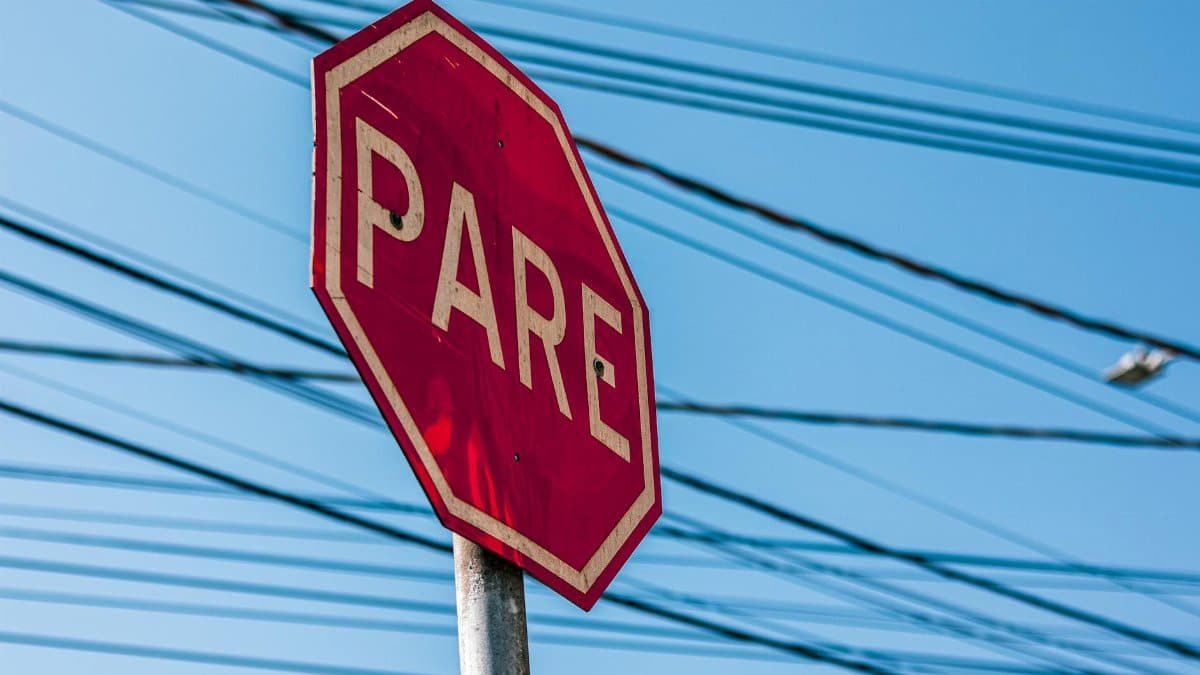
At the heart of cycle breaking parenting lies the rallying cry: “It stops with you.” This slogan encapsulates the urgency, urging parents to halt the intergenerational transfer of wounds. It resonates deeply in a nation grappling with rising mental health awareness, where adults recognize how their pasts echo in present behaviors. By adopting this mindset, parents commit to breaking reactive cycles—be it anger outbursts or neglect patterns—replacing them with conscious choices. The phrase, simple yet defiant, has become a badge of empowerment, fueling discussions in living rooms and online forums alike.
Healing Childhood Wounds Through Parenting

Cycle breaking parenting flips the script on traditional roles. Instead of shielding kids from the world, parents first heal themselves to model resilience. This involves acknowledging wounds like inconsistent discipline or emotional unavailability from their youth, then integrating therapy-informed practices into daily life. The result? Families where vulnerability is strength, not weakness. Experts note this self-healing ripple effect fosters secure attachments, as parents respond rather than react. For the next generation, it means kids growing up with emotionally attuned guardians, free from the shadows of prior eras.CDC Adverse Childhood Experiences (ACEs) Overview underscores how such cycles perpetuate without intervention.
Why It’s the Emotional Trend of 2026

In 2026, cycle breaking parenting dominates emotional conversations, propelled by a post-pandemic hunger for authentic connection. Social media amplifies stories of parents unpacking baggage mid-diaper change, turning personal breakthroughs into communal inspiration. It’s not fringe; it’s mainstream, defining how the next wave of families operates. This trend thrives on relatability—every parent harbors some childhood echo—and promises liberation from history’s grip. U.S. households, stressed by economic pressures, find solace in this proactive stance, making it a beacon amid uncertainty.
Impact on the Next Generation of Families

The next generation of families stands to inherit stability, not strife. Cycle breaking parenting redefines legacy, ensuring kids experience nurturing without the weight of unhealed parental pain. Homes become labs for empathy, where discussions about feelings normalize early. This shift promises reduced relational fractures down the line, as children learn boundaries and self-worth firsthand. By 2026, it’s clear: families embracing this trend pioneer a healthier emotional blueprint, one parent at a time.
Challenges in Embracing Cycle Breaking

Adopting cycle breaking parenting demands grit. Digging into childhood wounds stirs discomfort, requiring sustained effort amid busy lives. Parents face triggers in real-time—tantrums mirroring their own past meltdowns—and must pause to choose differently. Yet, this friction is the forge of change. The trend acknowledges no quick fixes; healing unfolds through consistent practice, from mindful listening to boundary-setting. Persistence pays off, equipping families for enduring resilience.
Real-World Applications in Daily Life

Cycle breaking plays out in everyday moments. A parent, recalling their own criticism-heavy upbringing, opts for encouragement during homework struggles. Another, haunted by emotional distance, initiates nightly check-ins. These micro-shifts accumulate, weaving healing into routines. The trend encourages tools like journaling past patterns or co-regulating with kids during stress. In 2026 U.S. homes, such practices normalize, turning potential conflicts into growth opportunities and solidifying family bonds.
Broader Societal Shifts

Beyond individual homes, cycle breaking parenting signals wider change. Communities buzz with support groups and apps tailored to this ethos, fostering collective unburdening. Schools and workplaces echo the call, with policies nodding to mental health roots. This trend challenges the stoic parent archetype, ushering empathy as standard. As it defines the next generation, expect ripple effects in policy—from expanded family leave to trauma-informed education—prioritizing prevention over repair.APA Intergenerational Trauma Resources highlights the science backing these transformations.
Looking Ahead for Families
Cycle breaking parenting isn’t a fad; it’s a foundation. By February 2026, its momentum proves parents are ready to declare, “It stops with you.” This emotional trend equips the next generation with tools for thriving, not just surviving. Families stepping into this arena lead by example, proving healing is possible—and contagious. In a world of inherited challenges, they emerge as everyday heroes, crafting legacies of wholeness.