
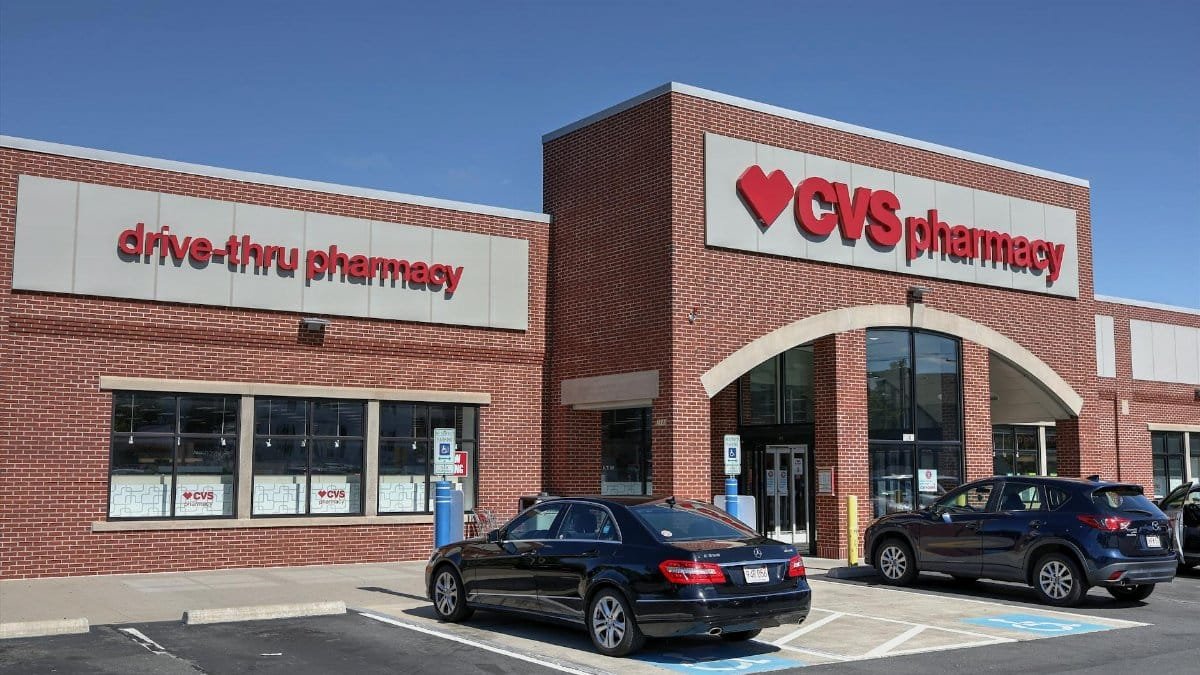
In bustling suburbs and quiet neighborhoods across the country a quiet revolution is underway in how Americans interact with their local pharmacies. For individuals in their middle years who often balance demanding jobs with caregiving responsibilities every minute counts. CVS is introducing cvs pharmacy only stores in select markets establishments that forgo the traditional retail aisles in favor of a laser focus on pharmaceutical care and health services. This move comes as the company plans to close some of its larger footprint locations signaling a significant shift in strategy. The concept reflects broader trends in health care delivery where convenience and specialization increasingly take precedence. Yet questions remain about what this means for the future of neighborhood drugstores and the communities they serve. For middle aged readers attuned to the evolving rhythms of wellness and daily life these developments carry both practical and philosophical weight.
The Strategic Shift in Retail Focus

CVS decision to experiment with specialized formats is not happening in a vacuum. It reflects a calculated response to changing consumer behaviors and rising operational costs. Larger stores with extensive retail sections have become expensive to maintain especially as more shopping moves to digital platforms. By creating smaller footprints dedicated to pharmacy services the company can reduce overhead while potentially increasing the number of locations for greater accessibility. Reports indicate this strategy involves closing some underperforming locations and replacing them with these targeted outlets. The goal appears to be creating a more sustainable model that prioritizes core health services over ancillary sales.
Industry observers point to shifting reimbursement models from insurers and the growth of online pharmacies as key drivers. In this environment efficiency becomes a competitive advantage. The company hopes to serve more patients with fewer resources stretched thin across vast retail spaces. This recalibration echoes larger patterns in American retail where specialization often replaces generalization. For a chain long known for its ubiquitous presence the move represents an admission that bigger is not always better.
Exploring the Compact Store Experience

Visitors to these new cvs pharmacy only stores will notice a markedly different environment from what they may be accustomed to. The layout is clean and modern with ample space for waiting areas that prioritize comfort and calm. Consultation rooms offer privacy for discussions about sensitive health matters away from the bustle of commercial activity. Pharmacists are positioned to engage more directly with patients rather than managing extensive merchandise alongside prescriptions.
Lighting and design elements aim to create a serene atmosphere conducive to thoughtful conversations about treatment plans. Some locations feature digital tools for prescription drop off and pickup to further streamline the process. Early feedback suggests wait times have decreased notably compared to busier multipurpose locations where staff often handled multiple responsibilities simultaneously. The smaller size also benefits those with mobility concerns by reducing the distance one must travel inside the facility. This focused design reflects a growing recognition that pharmacies function first and foremost as health care destinations rather than general stores.
Serving the Needs of Middle Aged Americans

The demographic that stands to benefit most from these innovations may be adults between the ages of forty and sixty five. This group often manages multiple prescriptions for conditions ranging from high blood pressure to arthritis while simultaneously caring for children and aging parents. Time saved through quicker service at cvs pharmacy only stores can translate into more moments for family life or personal renewal. Adherence to medication regimens tends to improve when barriers to access are lowered.
Middle aged individuals frequently report feeling overwhelmed by the demands of daily life. A more efficient pharmacy experience could alleviate one source of stress allowing greater focus on what truly matters. Additionally the potential for enhanced counseling sessions may lead to better understanding of how medications interact with diet exercise and other lifestyle factors. As this generation increasingly values preventive care the availability of on site immunizations and health screenings in these compact settings aligns well with their priorities. Convenience in this realm supports the delicate equilibrium many seek between responsibility and self care.
Connections to Broader Wellness Trends

In recent years discussions about health have expanded beyond the purely physical to encompass mental emotional and spiritual dimensions. The emergence of cvs pharmacy only stores fits into this larger conversation about holistic well being. When individuals can obtain their medications efficiently they free up mental energy for other aspects of self care including practices that nourish the spirit. Many middle aged adults are turning to meditation yoga or reflective time in nature to maintain balance amid turbulent times.
Reducing the friction of long lines and crowded aisles supports these efforts by minimizing frustration and fatigue. Health care providers increasingly recognize that unchecked stress can undermine treatment effectiveness and overall vitality. By creating a serene and focused environment these stores may contribute to a more positive patient experience that resonates with current spiritual news and trends emphasizing mindfulness and integrated living. Some locations are exploring partnerships with local wellness practitioners to offer a more complete approach to health. In this way the practical act of filling a prescription becomes part of a larger journey toward wholeness and presence. The format acknowledges that true health encompasses not only the body but the deeper currents of meaning and connection that sustain us.
Voices from the Pharmacy Counter

Pharmacists working in these new formats have shared mixed but largely positive feedback. Many appreciate the ability to spend more time on clinical duties rather than retail tasks. One practitioner in a pilot location described feeling more fulfilled as she could focus on helping patients understand their therapies and address concerns thoroughly. The opportunity for meaningful dialogue aligns with why many entered the profession in the first place.
However concerns exist about potential job displacements as larger stores close their doors. The company has pledged to retrain staff for the new model but transitions are rarely without difficulty. Technicians and support personnel may find their responsibilities evolving as the product mix simplifies. Professional organizations have called for careful monitoring to ensure that the push for efficiency does not compromise safety or lead to understaffing during peak hours. Overall the consensus seems to be that cvs pharmacy only stores allow for higher quality interactions which in turn improve job satisfaction and patient outcomes. The human element remains central even as the physical spaces shrink.
Community Responses and Concerns

Local reactions to the introduction of these stores have varied widely. In some suburban neighborhoods residents welcome the prospect of convenient pharmacy access without the crowds and chaos of larger outlets. Seniors in particular appreciate shorter distances and simpler navigation. Others lament the loss of the familiar larger stores that served as convenient gathering points where neighbors might exchange pleasantries while shopping.
Community leaders have expressed hope that the new model will not lead to reduced services in underserved areas. Questions have arisen about whether closing larger locations will leave gaps in certain markets particularly for those who relied on them for last minute needs. Town hall meetings in affected regions have featured thoughtful discussions about maintaining a strong health care presence that honors both efficiency and connection. Advocates emphasize the importance of pharmacies as community anchors where people not only fill prescriptions but also receive informal support and information. As the rollout continues monitoring these community impacts will be essential to gauge the true success of the initiative beyond balance sheets.
Economic Factors at Play

From a business perspective the move toward specialized pharmacy formats makes sound financial sense in several ways. Real estate costs for smaller spaces are substantially lower allowing expansion into more neighborhoods without massive investment. Reduced inventory of non pharmacy items decreases tied up capital and potential waste. With reimbursement rates for prescriptions under constant pressure from insurers maximizing operational efficiency has become critical for survival.
At the same time the aging population promises steady demand for pharmaceutical services well into the future. Market analysts have responded positively to efficiency driven strategies across the sector noting potential for improved profitability. Yet the company must balance these economic imperatives with its stated mission to provide accessible caring service to all. Investors will be watching closely to see if the new format delivers both stronger margins and sustained customer loyalty. The delicate dance between profit and genuine care defines much of modern health care economics and will likely determine how widely these models are adopted.
Integrating Technology into Personalized Care

Technology plays a growing role in the success of these compact locations. Mobile applications allow patients to request refills check wait times and receive reminders seamlessly. Digital records enable pharmacists to access relevant history quickly facilitating more informed consultations. Artificial intelligence tools may soon help flag potential drug interactions or suggest adherence strategies tailored to individual lifestyles.
For middle aged users comfortable with digital tools this integration feels natural and empowering. It complements the in person experience rather than replacing it creating a hybrid model that respects both human connection and technological precision. In the context of spiritual news and trends some see these advancements as supporting a more intentional approach to health stewardship where information flows smoothly and patients feel more in control of their journeys. The goal remains enhancing human judgment not supplanting it. As these systems mature they could help bridge gaps in care for those living in rural or underserved regions expanding the reach of quality pharmacy services.
Looking Toward Tomorrows Healthcare Landscape

What does the advent of these specialized stores mean for the future of pharmacy practice? If successful the model could accelerate across the country prompting competitors to consider similar changes. We may see a clear division in retail health care with some outlets focusing intensely on clinical services while others maintain broader retail experiences. Consumer choice will likely expand as different formats compete for loyalty based on individual preferences and values.
For middle aged consumers this could mean even greater personalization in their health journeys. The spiritual and emotional aspects of healing may receive more attention as providers gain bandwidth for meaningful engagement beyond transactional encounters. Ultimately the success of cvs pharmacy only stores will depend on their ability to deliver superior care while adapting to the diverse needs of American communities. As health care continues its rapid evolution staying attuned to these shifts will be important for consumers policymakers and practitioners alike. The quiet transformation happening in our neighborhoods may ultimately reshape not only where we fill prescriptions but how we think about the role of pharmacy in a balanced meaningful life.