
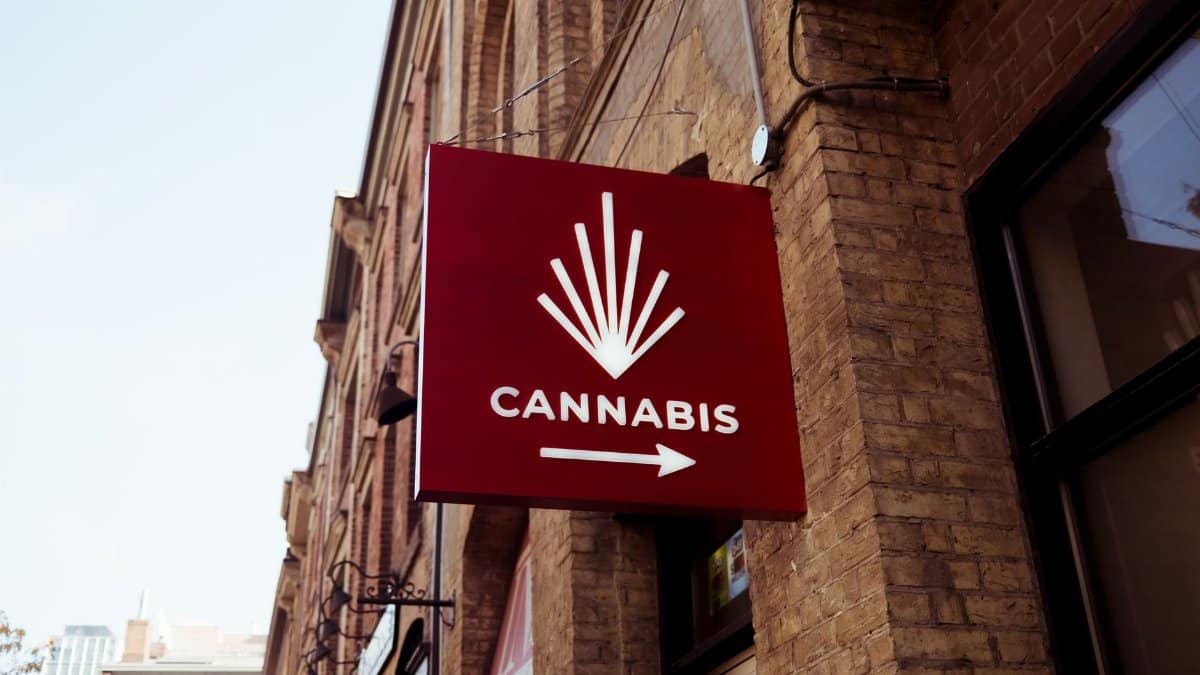
In the heart of Boston financial district a new cannabis retail outlet has stirred strong feelings among local advocates who see the arrival of a major operator as a setback for smaller players seeking fair access. Curaleaf downtown Boston now occupies space at 21 Milk Street where construction crews finished work just weeks ago and the first customers lined up under watchful eyes of protestors holding signs about equity in the industry.
Background on the company expansion

Curaleaf has grown into one of the larger participants in the national market with reported revenue reaching billions in recent periods. The firm selected the downtown Boston site after reviewing several options across the city and state officials approved the location following standard review processes. Company leaders described the move as a step toward serving a dense urban customer base that includes office workers and residents who prefer convenient access.
Details of the Milk Street location
The store sits on a busy block near historic buildings and transit stops making it easy for pedestrians to reach. Inside the layout features wide aisles and clear signage that guides visitors through product selections without crowding. Staff members underwent training on local rules and emphasize education about responsible use for those new to the category.
Equity advocates raise objections

Groups focused on social equity argued that large companies like this one crowd out applicants who faced past barriers in licensing. They gathered outside during the opening day to highlight data showing uneven distribution of retail permits across neighborhoods. Several speakers noted that promised support programs for equity applicants have moved slowly and they called for more time before additional big operators enter prime areas.
City response and licensing process
Boston officials stated that the application met all current requirements and followed the same path as prior approvals. They pointed to ongoing efforts to expand equity programs including technical assistance and reduced fees for qualifying candidates. A recent review by the state cannabis commission found that while progress exists more work remains to balance market participation.
Consumer reactions in the first weeks

Early visitors included a mix of longtime users and those curious about new options in a central spot. Many mentioned the convenience of stopping by during lunch or after work rather than traveling to outer neighborhoods. Feedback collected by the company shows interest in both flower products and newer formats such as beverages that align with wellness trends.
Market context across Massachusetts
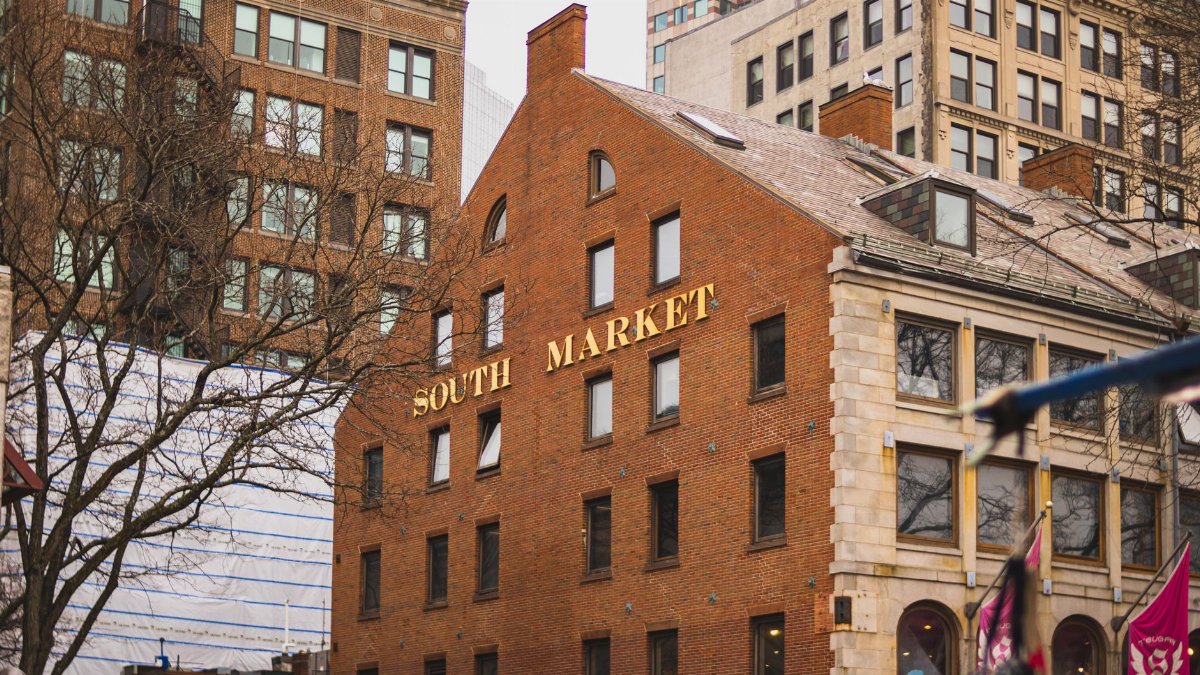
The state has seen steady growth in licensed outlets since legalization yet downtown zones remain limited due to zoning rules and competition for space. This opening adds capacity in an area previously without a dedicated retailer and analysts expect similar patterns in other cities where foot traffic supports higher volumes. Sales figures from comparable sites suggest strong initial demand that tapers after the novelty phase.
Broader implications for policy

Observers note that the tension between scale and equity reflects national debates as more states refine their frameworks. Some propose caps on the number of stores per operator while others favor incentives that help smaller entrants secure real estate. The Boston example may influence future decisions by showing how urban cores attract established players first.
Looking ahead for local operators
Smaller equity focused businesses continue to seek suitable properties and funding while monitoring how the new store affects overall foot traffic in the district. Community meetings planned for coming months will discuss ways to strengthen support networks and track whether the current mix of participants creates a stable market over time.