
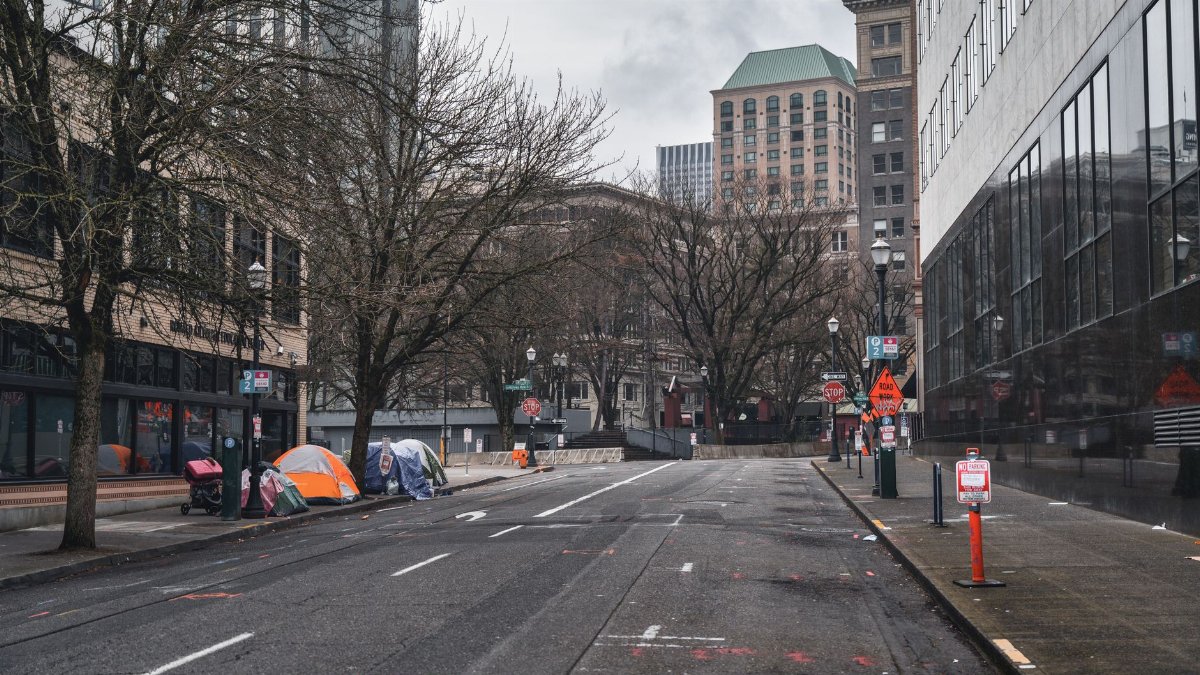
The King County Homeless Audit has drawn sharp scrutiny to how public funds support efforts against homelessness in the Seattle region. Recent findings have fueled debates among local leaders about whether the current structure can deliver results or if major changes are needed. Officials and advocates alike are weighing options that range from reforms to a full overhaul of the agency responsible for coordinating these services. The discussion comes at a time when housing costs remain high and many residents seek stable support systems.
Background on the agency structure

The King County Regional Homelessness Authority was formed to bring together city and county resources under one roof. Its goal centered on streamlining aid for those without shelter. Yet questions about oversight have persisted since its start.
Key findings from the review

Examiners pointed to gaps in how money was tracked and reported. These issues involved several million dollars across multiple programs. The report called for better records and clearer accountability measures.
Reactions from elected officials

Some council members have suggested dissolving the authority altogether. They argue that returning duties to individual governments could improve transparency. Others favor keeping the group but adding stricter checks.
Impact on local service providers

Groups that run shelters and outreach programs now face uncertainty about future funding flows. Many rely on contracts managed through the authority. A shift in control could alter how quickly aid reaches those in need.
Views from community advocates
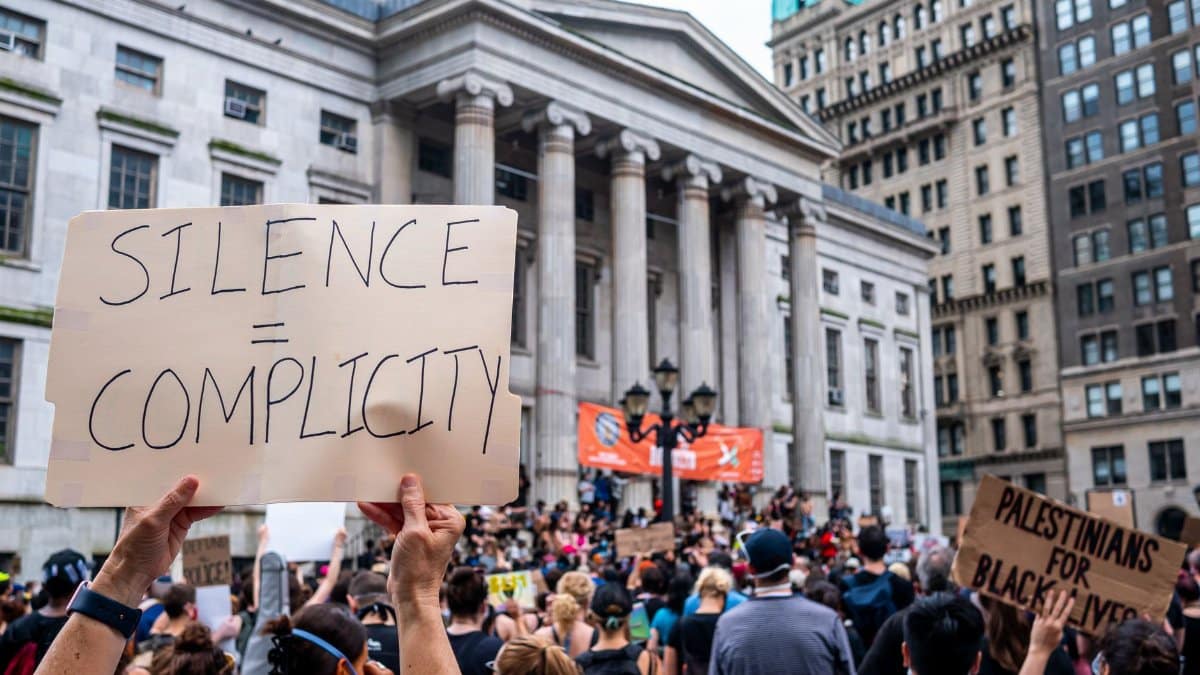
People who work directly with unhoused residents stress the need for steady support. They note that sudden changes might disrupt ongoing work. At the same time they welcome steps to ensure funds reach intended uses.
Financial management concerns
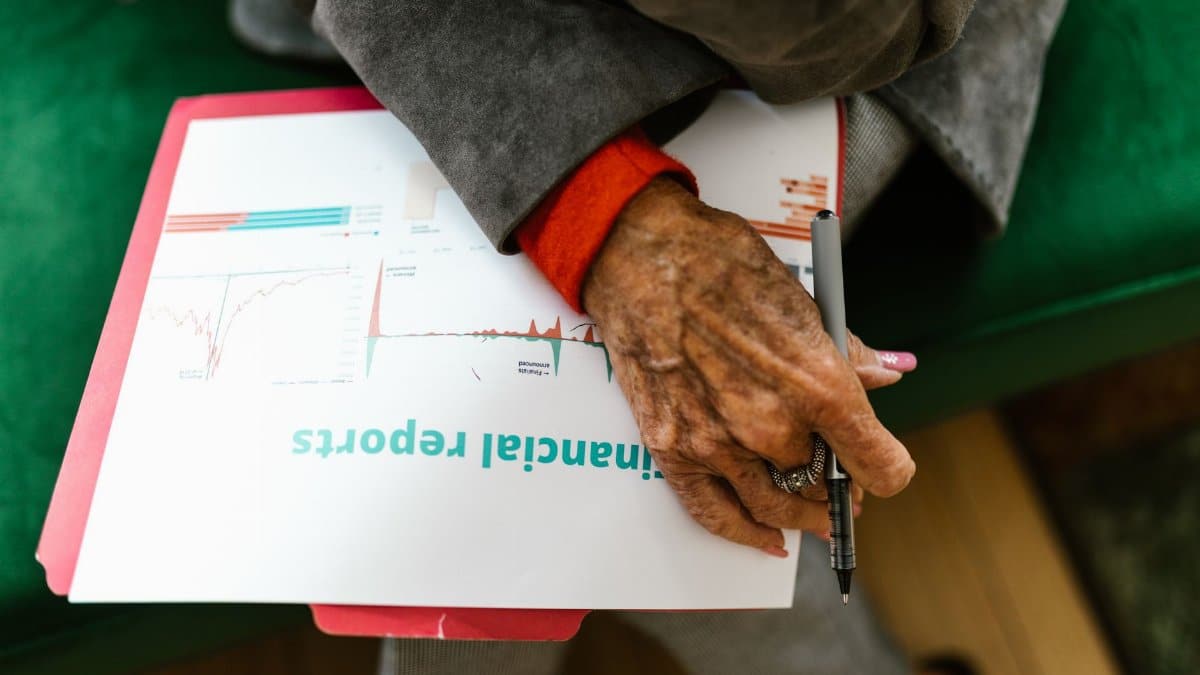
The audit highlighted problems with basic tracking tools and reporting habits. Staff had struggled to produce consistent updates on spending. This led to calls for new systems and training.
Comparison with other regions

Similar agencies in nearby areas have faced their own reviews in recent years. Some have adopted new models that split planning from direct services. King County leaders are studying those examples for possible lessons.
Potential paths forward

Options under discussion include a full dissolution by 2026 or a major reorganization. Lawmakers may hold hearings to gather more input before deciding. Any move would require approval from both the city and county.
Resident perspectives in Seattle

Many middle aged voters in the area express frustration with visible encampments. They want solutions that balance compassion with practical results. Public meetings have drawn crowds eager to share ideas.
Role of state oversight
Washington state officials have offered to assist with technical support. Their involvement could help set clearer standards for tracking. This partnership might ease some of the current tensions.
Historical context of local efforts

Homelessness responses in the region date back decades with varying success. Earlier attempts often relied on separate city and county programs. The current authority was meant to fix coordination problems but has encountered new hurdles.
Budget implications for taxpayers

Public money for these services comes from local levies and grants. Any restructuring would need to account for transition costs. Leaders aim to avoid service gaps during possible changes.
Media coverage and public awareness

Local outlets have reported extensively on the audit details. This has increased attention to how decisions get made. Greater awareness may lead to more community involvement in planning.
Next steps in the process

Further reviews and votes are expected in coming months. Stakeholders will continue to debate the best way to support vulnerable residents. The outcome will shape services for years ahead.