
As Iranian missiles streaked across the darkened Persian Gulf last week, striking a Greek-flagged tanker laden with crude, the world watched in dread. The vessel, part of a convoy rerouted in a frantic bid to evade further attacks, burned for hours before rescue teams could intervene. This incident, amid the escalating Iran war, has triggered a global scramble to secure oil supplies iran war disruptions threaten to unleash. Nations from Tokyo to Washington are tapping reserves, rerouting shipments and courting alternative suppliers, all while prices surge toward triple digits per barrel. What began as targeted strikes on shipping lanes has rippled into an energy crisis, exposing the fragility of a world still hooked on Middle Eastern oil.
Strait of Hormuz: The Chokepoint Under Siege

The Strait of Hormuz, that narrow ribbon of water funneling a fifth of global oil, has become ground zero. Iranian speedboats have harassed tankers, drones buzz overhead, and mines lurk below. Last month alone, three vessels were hit, forcing insurers to triple premiums and shipowners to idle fleets. Saudi Arabia and the United Arab Emirates, Iran’s main rivals in the Gulf, have pledged naval escorts, but doubts linger about their reach. Analysts point to this as classic asymmetric warfare: Tehran lacks the air force for open battle but wields disruption like a scalpel. For importers, the math is grim, one blockage could slash supplies by millions of barrels daily.
Oil Prices Rocket, Inflation Fears Grip Markets

Brent crude has climbed 40 percent since the attacks intensified, hitting $110 a barrel and eyeing records from 2008. Traders in London and New York huddle over screens, betting on worse. Europes refineries, already strained by Russias war in Ukraine, face blackouts without swift imports. In the U.S., gasoline averages $5 a gallon, stoking voter anger ahead of midterms. Economists warn of stagflation: higher energy costs squeezing consumers while central banks hike rates. Yet some see opportunity, Americas shale producers ramp up output, eyeing a windfall.
United States Draws Down Strategic Reserves

President Bidens administration released 50 million barrels from the Strategic Petroleum Reserve this week, the largest draw since 2021. Sprinkled across auctions to refiners, it aims to blunt pump prices through summer. Critics call it a Band-Aid, reserves now at historic lows after pandemic era sales. Meanwhile, the Pentagon bolsters its Fifth Fleet in Bahrain, deterring Iranian swarms. Diplomatic cables reveal quiet outreach to Venezuela and even Russia, pragmatic moves to diversify amid the secure oil supplies iran war panic. Lawmakers debate replenishment, but shale deregulation gains traction in Congress.
Europes Desperate Pivot to LNG and Africa
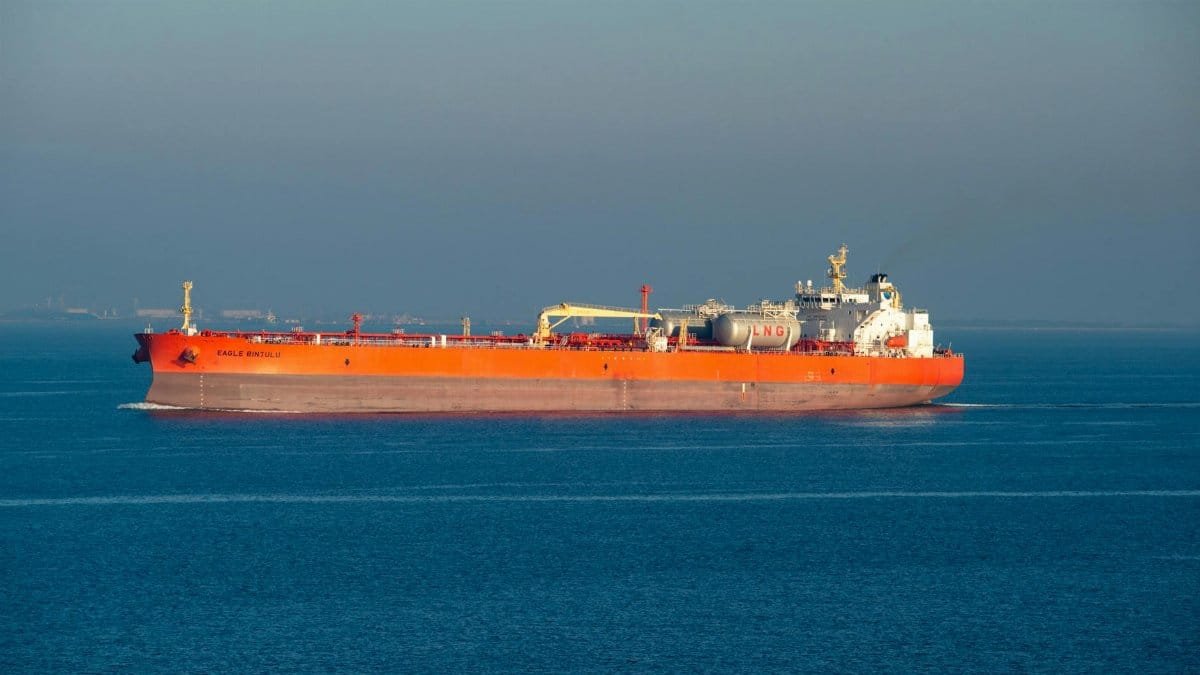
From Berlin to Paris, leaders confront a double whammy: lost Russian gas and now Gulf oil perils. Germany inks deals with Qatar for liquefied natural gas, while France courts Nigerian fields. Tankers steam south around Africa, adding weeks and millions in fuel costs per voyage. The European Commission pushes biofuel mandates, but skeptics question scalability. Public protests swell over energy bills, blending yellow vest echoes with green demands. One French executive quipped, “We dreamed of net zero, now we pray for any zero emissions delay.”
Chinas Stockpile Sprint and Belt and Road Bets
Beijing, guzzling 14 million barrels daily, moves with characteristic speed. State stockpiles, shrouded in secrecy, swell via chartered supertankers from Russia and Brazil. The Belt and Road Initiative flexes: pipelines from Kazakhstan accelerate, Iranian proxies courted discreetly. Xi Jinpings planners game war scenarios, blending diplomacy with naval patrols in the Indian Ocean. Yet vulnerability persists, 40 percent of Chinas oil sails through Hormuz. Factories idle on power rationing, underscoring the stakes in this secure oil supplies iran war chess match.
Indias Balancing Act Between Tehran and Delhi

New Delhi walks a tightrope, historically cozy with Iran yet allied to the U.S. and Israel. Rupee payments to Tehran persist, but attacks prompt diversification: Russian crude surges, U.S. LNG terminals book up. Indian Ocean ports like Chabahar, Iranian built, now host relief shipments. Prime Minister Modis team eyes Australian coal to gas swaps, hedging bets. Refineries in Jamnagar churn overtime, but economists forecast 7 percent inflation if Gulf flows falter. Citizens brace, rupee wobbles, evoking 1970s shortages.
Irans Playbook: Mines, Missiles, and Mayhem

Tehrans Revolutionary Guards orchestrate chaos from shadow bases. Anti ship missiles, tested in drills, claim precision hits. Speedboat swarms mimic Houthi tactics in the Red Sea, sowing fear without full invasion. Supreme Leader Khamenei frames it as defense against “Zionist aggression,” tying strikes to Israel Lebanon clashes. U.S. intelligence, per a recent report from the Institute for the Study of War (https://www.understandingwar.org/backgrounder/iran-update-march-10-2026), flags cyber probes on Saudi Aramco. The goal: bleed economies dry before concessions flow.
Saudi Arabia and GCC Counteroffensives
Riyadh leads Gulf allies in a muscular response. Aramco pipelines to Yanbu bypass Hormuz, pumping record volumes east. F 15 jets patrol skies, U.S. THAAD batteries deploy. Crown Prince Mohammed bin Salman courts India and Japan with discounted barrels, undercutting Iran. OPEC Plus holds steady on cuts, but whispers of emergency output hikes circulate. UAE ports hum with transshipments, a logistics lifeline. Still, internal jitters rise, expatriate workers flee amid alerts.
Diplomatic Backchannels and Ceasefire Hopes
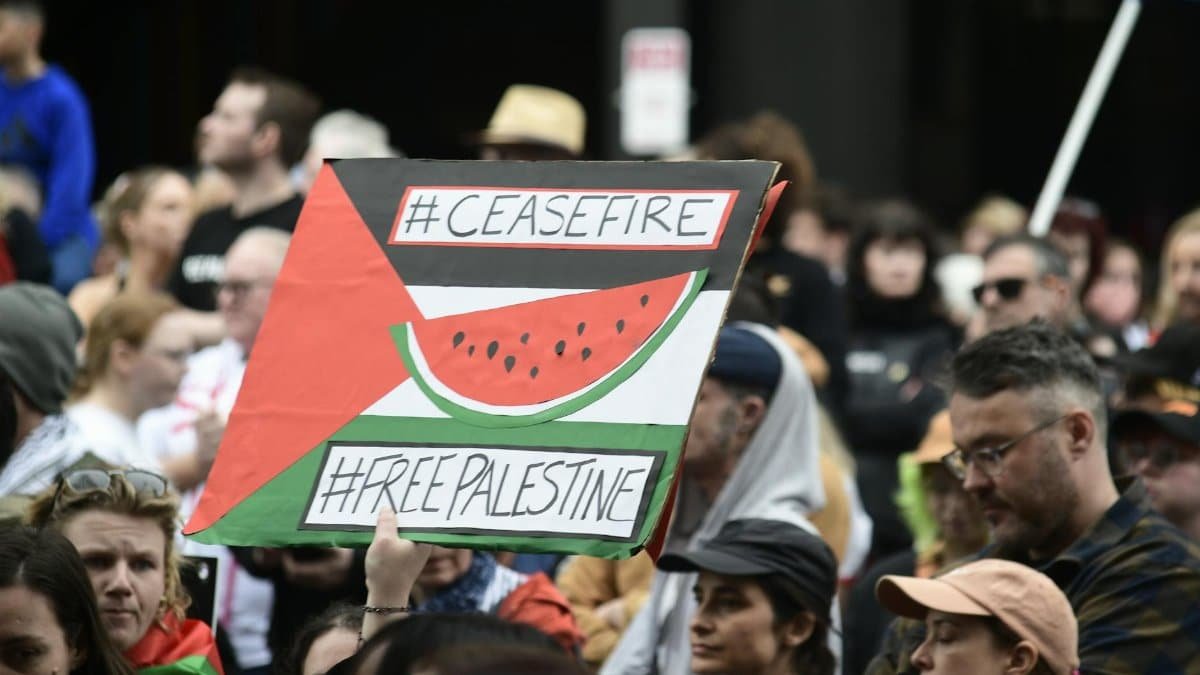
Behind closed doors, envoys shuttle. Oman mediates Tehran Washington talks, Qatar hosts Iranian officials. UN Security Council deadlocks, Russia and China veto resolutions. Europes foreign ministers urge de escalation, dangling sanctions relief. Israeli strikes on Hezbollah proxies escalate tit for tat, complicating Gulf calm. A leaked State Department memo hints at phased de mining, contingent on missile halts. Optimists eye Ramadan truces, but history tempers hopes.
Beyond Oil: Renewables Race Accelerates

The war spotlights transition urgency. Solar farms in Rajasthan, wind off Denmark: investments pour in. IEA forecasts renewables overtaking coal by 2025, but intermittency demands batteries. U.S. Inflation Reduction Act juices domestic green tech, Europe fast tracks hydrogen. Yet oil lingers, 30 percent of energy by 2030 per BloombergNEF (https://about.bnef.com/). This crisis, paradoxically, fuels the shift, nations blending survival with sustainability.
Human Toll and Global Anxiety
Crew members from the struck Greek tanker recount terror: explosions rocking hulls, lifeboats in flames. Filipino seafarers, many families await news, highlight migrant labor risks. Ports from Fujairah to Singapore overflow with delayed ships, truckers idle. In Tehran, rationing bites; Gulf expats stockpile. The secure oil supplies iran war frenzy stirs existential fears, economies teeter, faiths tested in prayer amid uncertainty.
Lessons for Energy Independence
Policymakers revisit 1970s embargoes. Americas shale boom offers template, though fracking divides greens. Europes North Sea revival eyes Norway. Asia builds floating storage, Japan pioneers ammonia fuel. Long term, fusion and small nukes beckon, but timelines stretch. This flare up, rooted in the New York Times account of Lebanon linked strikes (https://www.nytimes.com/2026/03/11/world/middleeast/oil-ships-lebanon-iran-israel.html), underscores interdependence perils. Nations harden resolve: diversify or perish.
In the end, as tankers ghost through contested waters, the world ponders resilience. Oil remains king, but challengers rise. The Iran war tests not just pumps, but collective will.
(Word count: 1,248)