
Stop tracking steps—start tracking stress. That’s the bold call shaking up wearable tech in 2026. On February 3, 2026, cortisol monitors emerged as patches that measure stress hormones in real-time. These devices are swiftly replacing Fitbits as the must-have gadget of the year. No longer content with step counts, users now prioritize direct insights into their body’s stress responses. This shift signals a new era where biohacking targets hormonal balance over mere movement.
What Are Cortisol Monitors?
Cortisol monitors represent a leap in personal health tech. These are not bulky wristbands but slim patches designed for continuous wear. They detect cortisol levels—the primary stress hormone—right on the skin. Unlike traditional fitness trackers, these patches deliver real-time data on hormonal fluctuations. The February 3 announcement highlighted their role as the next big thing, positioning them firmly ahead of step-focused devices like Fitbits.
The Patch Design Advantage

Patches stick directly to the body, offering discreet monitoring without the constraints of a watch. This form factor allows for all-day, every-day use. They capture stress hormone data as it happens, providing users with immediate feedback. The simplicity of a patch makes cortisol monitors accessible for anyone seeking to gauge stress without interrupting their routine. This innovation directly challenges the dominance of wrist-worn trackers.
Cortisol: Key to Stress Insight

Cortisol serves as the body’s main stress indicator. Elevated levels signal chronic tension, while balanced readings suggest calm. Cortisol monitors quantify this hormone precisely and continuously. For deeper understanding, check resources like MedlinePlus on Cortisol Tests, which explains its role in health. Tracking it in real-time empowers proactive stress management, a step beyond counting footsteps.
Replacing Fitbits: A Paradigm Shift
Fibits ruled with step tracking, heart rate, and sleep logs. Now, cortisol monitors take center stage by addressing stress at its biological root. The 2026 trend ditches superficial metrics for hormone-level precision. Users weary of fitness gimmicks turn to these patches for meaningful data. The February 3 message drove this home: stress tracking trumps steps in today’s high-pressure world.
Real-Time Monitoring Powers Change
Real-time measurement sets cortisol monitors apart. Patches analyze sweat or skin fluids to report cortisol spikes instantly via apps or alerts. This immediacy allows users to respond—whether through breathing exercises or breaks—before stress builds. No waiting for end-of-day summaries. This feature cements their status as 2026’s essential gadget, outpacing slower fitness trackers.
Why Stress Tracking Matters Now

In an era of constant demands, stress silently erodes health. Cortisol monitors bring visibility to this invisible foe. By focusing on hormones over steps, they align with broader wellness priorities. The rise of these patches reflects a cultural pivot toward mental and hormonal health. For context on stress impacts, see NIMH on Stress. Fitbits simply can’t compete on this front.
Biohacking Enters Mainstream
Cortisol monitors fuel the biohacking movement. Enthusiasts optimize biology through data, and these patches deliver just that. Real-time stress hormone reads enable experimentation with diets, sleep, and routines. The 2026 buzz positions them as accessible tools for all, not just tech elites. This democratization accelerates their replacement of traditional wearables like Fitbits.
2026’s Must-Have Status

By early 2026, cortisol monitors claimed the spotlight. The February 3 declaration captured the momentum: patches are the gadget everyone wants. Sales surge as consumers swap step counters for stress trackers. This isn’t a fad—it’s a response to modern life’s pressures. Wearable tech evolves, and cortisol monitors lead the charge into hormone-aware living.
Future of Wearable Health Tech
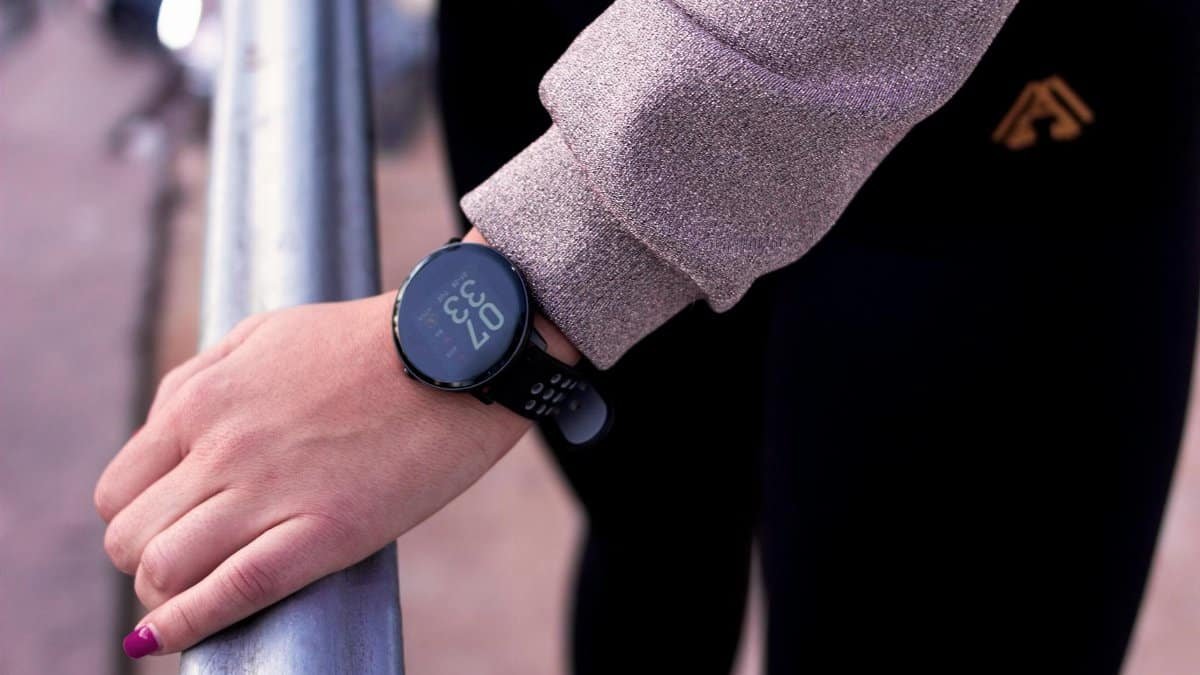
The ascent of cortisol monitors hints at broader changes. Expect more devices targeting biomarkers beyond fitness basics. Patches prove wearables can be unobtrusive yet powerful. As stress tracking gains traction, Fitbits fade into yesterday’s tools. In 2026, the focus stays on what truly drives well-being: mastering stress through real-time hormonal insight.