

Is your face puffier than usual, or is stress to blame? “Cortisol face,” the viral diagnosis dominating 2026, suggests high anxiety is literally reshaping women’s features. Emerging on social platforms, this trend points to puffy cheeks and rounded contours as signs of chronic stress. Experts note cortisol, the body’s primary stress hormone, can lead to fluid retention and fat redistribution in the face when levels spike from ongoing anxiety. As women report noticing these changes amid busy lives, cortisol face has sparked debates on mental health and appearance. Dated January 20, 2026, this phenomenon demands attention.
The Viral Surge

Cortisol face exploded into public view this year. Social media feeds filled with before-and-after photos of swollen faces tied to stress. Women shared stories of sudden puffiness, dubbing it the ultimate sign of burnout. The term gained traction fast, turning a medical observation into a cultural shorthand. By early 2026, searches for cortisol face spiked, reflecting broader anxiety trends in a post-pandemic world. This isn’t just slang—it’s a self-diagnosis sweeping U.S. feeds, prompting millions to scrutinize their reflections.
Puffy Faces Under Scrutiny
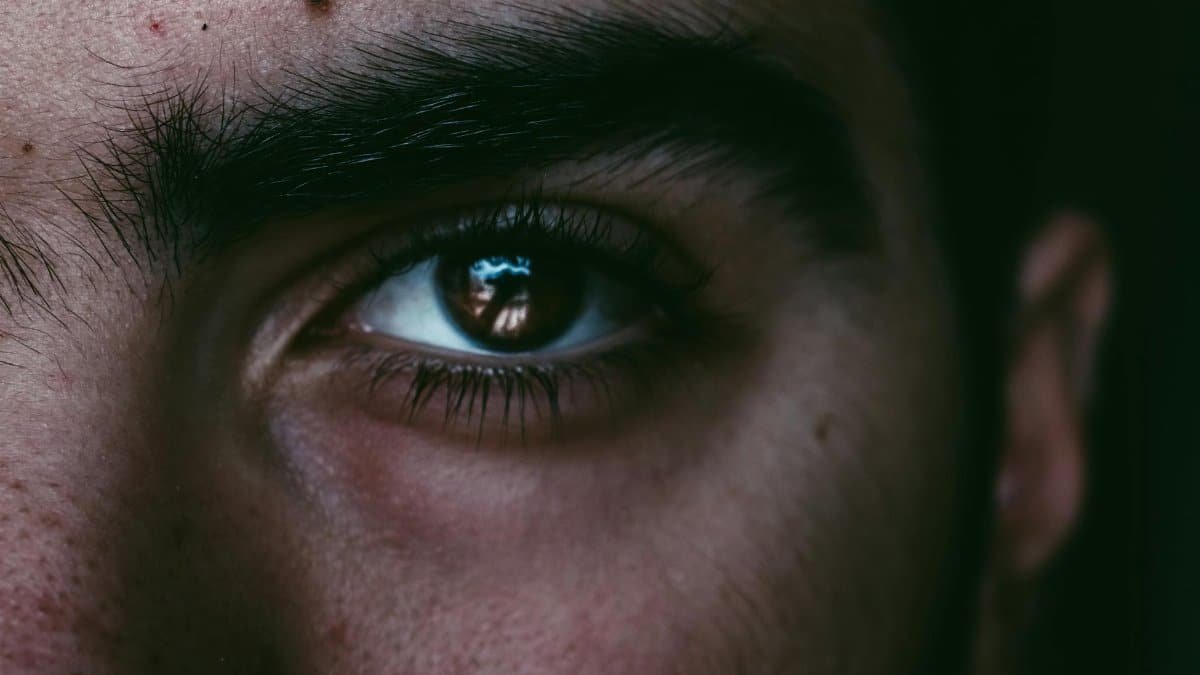
The hallmark of cortisol face is unmistakable puffiness. Cheeks swell, jaws soften, and the overall shape rounds out, mimicking a full moon. Users describe it as waking up to a stranger in the mirror after weeks of worry. This isn’t vanity; it’s a physical marker. High anxiety triggers inflammation and water retention, bloating facial tissues. Women in high-pressure jobs or facing life changes report it most, turning personal frustration into viral content. The trend highlights how stress manifests visibly, urging self-checks nationwide.
Anxiety’s Direct Path to Change

High anxiety fuels cortisol face at its core. Constant worry activates the body’s fight-or-flight response, flooding systems with cortisol. Over time, this hormone alters fat storage and fluid balance, targeting the face first. Women, often juggling careers, family, and societal expectations, bear the brunt. The claim is straightforward: unmanaged stress physically morphs appearance. In 2026, as mental health conversations peak, cortisol face frames anxiety not as invisible but as etched on the skin. It’s a wake-up call for stress management.
Cortisol: Stress’s Chemical Signature

Cortisol, produced by the adrenal glands, ramps up during stress. Short bursts aid survival, but chronic elevation from anxiety causes havoc. It promotes fat accumulation in the face and neck while depleting it elsewhere, creating the signature puffiness. Medical sources confirm prolonged high levels lead to these shifts, often called “moon face” in clinical contexts. For details on cortisol’s effects, see the National Institute of Diabetes and Digestive and Kidney Diseases overview. This ties directly to the viral cortisol face narrative.
Why Women Feel It Most

The trend zeroes in on women, amplifying gender-specific pressures. Hormonal fluctuations, caregiving roles, and workplace demands elevate anxiety, spiking cortisol. Faces change subtly at first—subtle rounding unnoticed until selfies reveal it. In 2026 U.S. culture, where appearance standards remain rigid, this hits hard. Women post about “stress faces” from deadlines or family strain, fostering solidarity. Cortisol face thus becomes a badge of resilience, but also a prompt to address root causes like burnout.
Social Media’s Amplification

Platforms propelled cortisol face to stardom. TikTok challenges and Instagram reels dissect the look, with filters simulating puffiness for awareness. Hashtags trend weekly, blending humor with concern. Women tag friends, sparking conversations on anxiety’s toll. This virality democratizes the diagnosis, but raises questions on accuracy. Still, it spotlights a real issue: stress visibly altering bodies. By January 2026, influencers and everyday users alike made it unavoidable, shifting focus from beauty hacks to health realities.
Health Implications Beyond Looks

Cortisol face signals deeper problems. Persistent puffiness hints at sustained high cortisol, risking weight gain, sleep issues, and weakened immunity. Anxiety-driven changes warn of adrenal fatigue. Women ignoring it face compounded effects, as stress cycles worsen. The viral buzz encourages tracking symptoms, but stresses professional input. For stress response science, review Harvard Health Publishing. In 2026, this trend pushes proactive wellness amid rising mental health strains.
Navigating the Trend

As cortisol face dominates discourse, responses vary. Some embrace it as empowerment, others seek fixes like mindfulness or diet tweaks to lower stress. The core message endures: high anxiety reshapes faces, demanding action. U.S. women, from coasts to heartland, relate through shared posts. This 2026 phenomenon bridges beauty and health, urging balance. Monitor your face—it might reveal more than you think.