

Is your face puffy, or are you just stressed? “Cortisol face” has exploded as the viral diagnosis of 2026, with claims that high anxiety is reshaping women’s faces. Social media buzz labels it a telltale sign of chronic stress, where elevated cortisol levels cause noticeable swelling and rounding. This trend spotlights how everyday pressures might manifest physically, blurring lines between emotional strain and appearance changes. Experts note it’s gaining traction amid rising mental health conversations.
What Exactly is Cortisol Face?

Cortisol face refers to the puffiness and altered facial contours linked to prolonged high cortisol, the body’s primary stress hormone. The term captures a rounded, swollen look in the cheeks and jawline, often described as a “moon face” effect. In 2026, it’s surged as a self-diagnosis among women noticing subtle shifts in their features. Proponents argue it’s not vanity—it’s biology signaling overload from anxiety.
The Viral Diagnosis Taking Over 2026
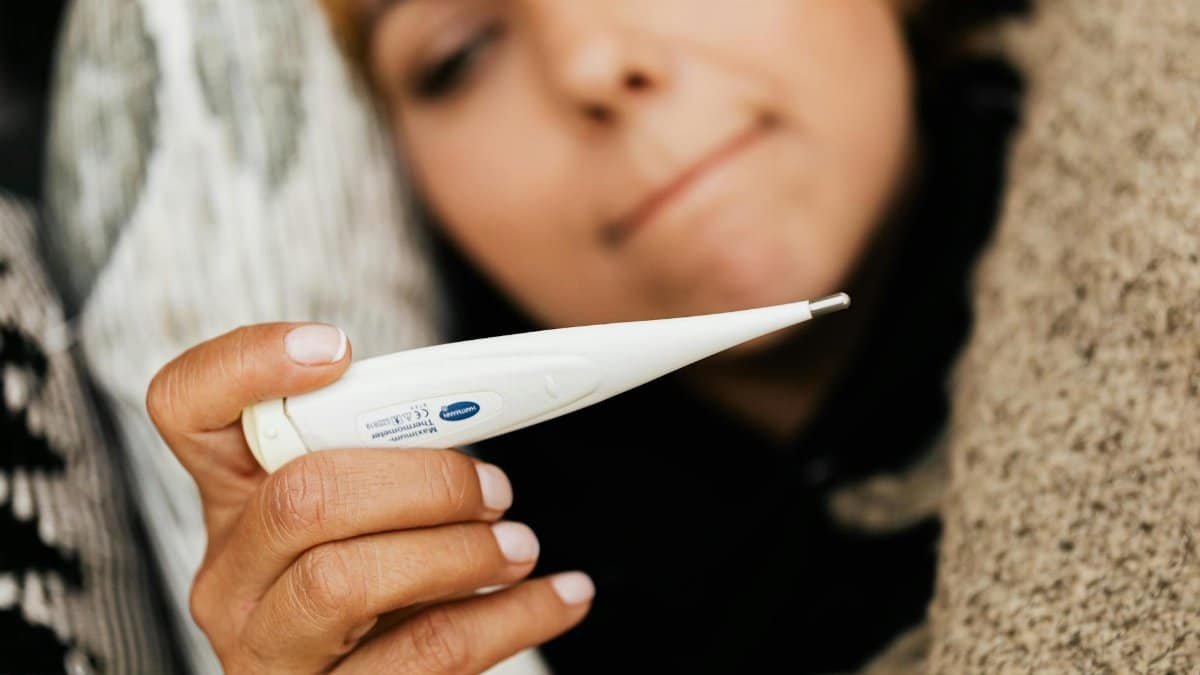
By January 20, 2026, cortisol face had become inescapable online. Women share before-and-after photos, attributing facial bloating to non-stop stress from work, relationships, and global uncertainties. The diagnosis thrives on relatability: a quick Google or scroll reveals thousands echoing the same concern. It’s positioned as 2026’s breakout health alert, turning personal observations into a collective conversation about anxiety’s visible toll.
High Anxiety Fuels the Change

High anxiety triggers sustained cortisol release, the hormone meant for fight-or-flight but harmful in excess. Constant worries keep levels spiked, promoting fluid retention and fat redistribution—especially in the face. Women report fuller cheeks and a softer jawline after months of tension. This isn’t fleeting bloat from salt; it’s a claimed structural shift, making cortisol face a stark emblem of unmanaged stress in modern life.
Why Women Are Noticing It Most

The trend zeroes in on women, who face disproportionate anxiety pressures from career demands, caregiving, and societal expectations. Cortisol face claims highlight how these stressors etch changes selectively. Puffiness around the eyes and mid-face becomes a mirror to inner turmoil, with many saying it accelerates with age or life transitions. In 2026’s high-stakes environment, it’s resonating as a gender-specific wake-up call.
For insight into cortisol’s effects, the National Institute of Diabetes and Digestive and Kidney Diseases explains how prolonged elevation leads to facial swelling akin to this trend. NIDDK on Cushing’s Syndrome
Spotting the Puffy Signs

Key indicators include persistent facial swelling unresponsive to diet tweaks, a rounded profile despite weight stability elsewhere, and tenderness in puffed areas. Women describe waking up with a “different face,” blaming anxiety spikes from deadlines or conflicts. Cortisol face distinguishes this from allergies or poor sleep—it’s the chronic kind, tied to emotional wear. Early recognition, fans say, prompts stress audits before shapes solidify.
Stress Hormones and Facial Fat

Cortisol directs fat storage to the face, neck, and torso during stress marathons. High anxiety sustains this, layering subtle padding that alters bone structure visibility. The result: a fuller, less defined look women link directly to their mindset. In 2026, as burnout narratives peak, cortisol face reframes vanity complaints as hormone alerts, urging attention to root causes over surface fixes.
The Mayo Clinic details how stress hormones like cortisol contribute to such physical changes through fluid buildup and fat shifts. Mayo Clinic on Stress Effects
2026’s Broader Anxiety Context

This viral push coincides with heightened U.S. anxiety reports, amplified by economic flux and social media echo chambers. Cortisol face positions women’s faces as barometers for societal strain, where personal puffiness reflects collective unease. It’s sparking debates on whether self-diagnoses empower or oversimplify, but the core claim holds: high anxiety visibly reshapes features, demanding notice.
From Viral Claim to Real Concern

What starts as a TikTok hunch gains legs when mirroring lived stress. Cortisol face insists the puffy shift is no illusion—it’s cortisol’s footprint. Women in 2026 are logging patterns: anxiety peaks align with facial rounds. While not a clinical term, its rise underscores a truth: unchecked stress alters appearances, blending mental health with beauty standards in urgent ways.
Cleveland Clinic outlines moon face symptoms from excess cortisol, validating the puffiness central to these discussions. Cleveland Clinic on Moon Face