

Why can’t diets melt away that stubborn belly fat? The viral diagnosis sweeping social media in 2026 points to “cortisol belly”—visceral fat buildup driven by high anxiety. Dated February 2, 2026, reports declare: It’s not your diet, it’s your stress. This phenomenon explains persistent weight struggles amid rising anxiety levels, challenging traditional weight loss advice and gaining traction as a key health conversation starter.
What Exactly Is Cortisol Belly?

Cortisol belly refers to the accumulation of visceral fat around the midsection, directly linked to elevated stress hormones. Unlike subcutaneous fat that sits just under the skin, visceral fat wraps around internal organs, posing greater health risks. The term has exploded online as a simple explanation for why standard calorie cuts and workouts fall short. High anxiety triggers cortisol release, promoting this deep abdominal storage over time.
Stress, Not Calories, as the Culprit

Traditional weight loss wisdom centers on diet and exercise. Yet cortisol belly flips the script. Prolonged stress from anxiety floods the body with cortisol, which signals fat retention, especially in the belly. This viral insight resonates because it shifts blame from personal failings to physiological responses. On February 2, 2026, headlines captured this pivot: It’s not your diet, it’s your stress fueling the fire.
Visceral Fat: The Dangerous Kind
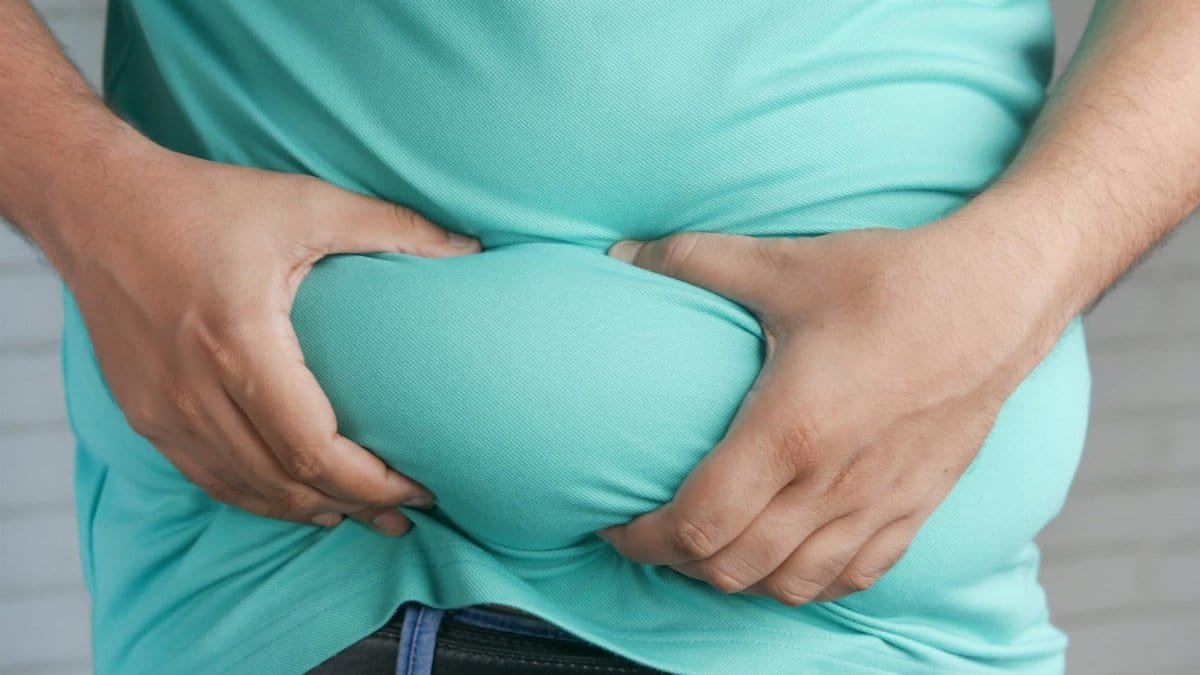
Visceral fat differs from the pinchable variety. It infiltrates the abdominal cavity, surrounding vital organs like the liver and intestines. Elevated cortisol from high anxiety encourages this fat to grow, resisting diet efforts. Health experts note its ties to metabolic issues, making cortisol belly more than cosmetic. For deeper reading on visceral fat risks and accumulation, see the National Institute of Diabetes and Digestive and Kidney Diseases.
The High Anxiety Trigger

Anxiety spikes cortisol production in the adrenal glands. Chronic high levels lead to cortisol belly by altering fat distribution and metabolism. This isn’t fleeting worry but sustained anxiety reshaping the body. The diagnosis gains steam because it connects mental strain to physical outcomes, validating struggles in a high-pressure world. Viral posts amplify stories of failed diets yielding to stress awareness.
Why This Diagnosis Is Going Viral
In 2026, cortisol belly dominates feeds and forums. Its appeal lies in simplicity: one term unpacks complex weight woes. Shared on February 2, it explains why anxiety-ridden lives defy gym routines. Social media algorithms boost relatable content, turning personal anecdotes into public health discourse. Millions nod along, recognizing their own battles against stress-induced fat.
Diets Fail Where Stress Persists

Countless restrict calories only to watch belly fat linger. Cortisol belly reveals why: stress overrides dietary discipline. High anxiety sustains cortisol, locking fat in place. This viral truth empowers rethinking approaches, prioritizing stress over scales. It challenges the $70 billion U.S. diet industry, urging holistic views in a tense era.
Health Implications Beyond Weight
Cortisol belly signals deeper issues. Visceral fat heightens risks for heart disease and diabetes. Chronic anxiety’s toll compounds through this fat depot. Awareness pushes preventive talks, linking mental health to physical form. For insights on cortisol’s role in belly fat, check the Cleveland Clinic’s overview, which details stress hormone effects.
Shifting Conversations in 2026

U.S. trends show cortisol belly reshaping wellness narratives. With anxiety at record highs post-pandemic, this diagnosis fits perfectly. It validates women’s complaints of “stubborn fat,” often visceral and stress-tied. Media buzz from early 2026 underscores urgency, prompting doctors to screen stress alongside BMI. Viral spread democratizes science, making endocrine basics mainstream.
Moving Forward from the Diagnosis

Recognizing cortisol belly opens doors to targeted relief. While the viral tag spotlights the problem, it sparks quests for balance. Stress management emerges as key, complementing—not replacing—diet tweaks. In 2026 America, this means integrating mindfulness amid hustle. The February revelation endures, reminding that healing starts with naming the true foe: unchecked anxiety over unchecked eating.
This punchy diagnosis refuses to fade. As cortisol belly awareness peaks, it redefines resilience against modern pressures. Weight loss seekers pivot, armed with knowledge that stress trumps salads every time.