

San Francisco’s corporate landscape is undergoing a quiet revolution with corporate wellness San Francisco EgoEase initiatives taking center stage. Leading companies in the tech hub are rolling out specialized training programs designed to help employees identify and manage ego-driven behaviors in the workplace. The goal? To foster better collaboration and create healthier, more productive work environments. As competition for talent intensifies in the Bay Area, these innovative wellness strategies are becoming a key differentiator for employers aiming to prioritize mental and emotional well-being alongside traditional benefits.
Why Ego-Awareness Matters in the Workplace

In high-pressure environments like San Francisco’s tech sector, ego-driven behavior can often derail teamwork. Whether it’s a need to dominate discussions or reluctance to accept feedback, unchecked egos can create tension and stifle innovation. The new wave of corporate wellness programs under the EgoEase framework seeks to address this head-on. By helping employees recognize these tendencies, companies aim to break down interpersonal barriers that hinder effective communication and collaboration.
A Shift in Corporate Wellness Priorities

Traditional wellness programs often focus on physical health—think gym memberships or stress management workshops. However, the integration of ego-awareness training signals a broader understanding of employee well-being. San Francisco firms are acknowledging that mental and emotional dynamics play a critical role in workplace harmony. This shift reflects a growing trend in 2025, where holistic wellness takes precedence, addressing not just the body but also the mind and interpersonal relationships.
How EgoEase Training Works
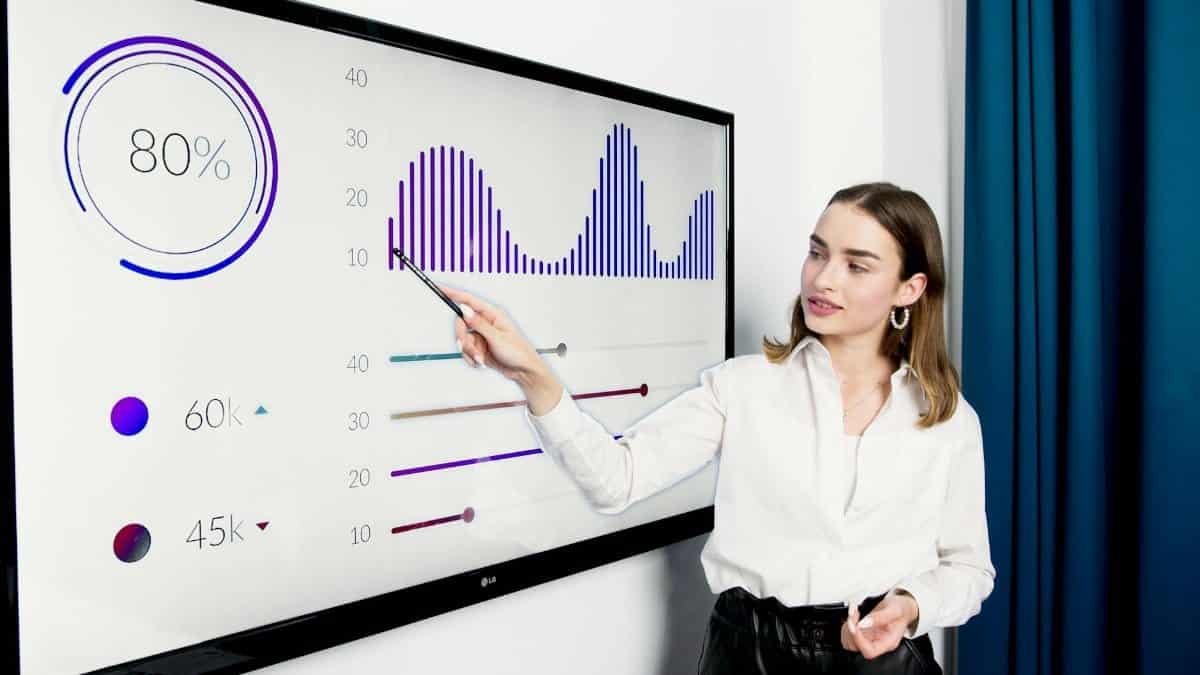
The EgoEase approach, now gaining traction in corporate wellness San Francisco EgoEase programs, involves structured workshops and exercises. Employees are guided through scenarios to identify behaviors driven by ego, such as defensiveness or over-competitiveness. The training emphasizes self-reflection and provides tools to manage these impulses. The ultimate aim is to cultivate a workplace culture where empathy and mutual respect override personal insecurities or power struggles, creating a more cohesive team dynamic.
The Impact on Collaboration
Collaboration is the lifeblood of innovation, especially in a city known for its tech giants and startups. By targeting ego-driven behavior, San Francisco companies are seeing early signs of improved teamwork. Employees trained under these programs are reportedly more open to feedback and willing to share ideas without fear of judgment. This fosters an environment where diverse perspectives can thrive, potentially giving these firms a competitive edge in a fast-paced industry.
Why San Francisco Leads the Charge

San Francisco’s unique position as a hub for progressive thinking and tech innovation makes it a natural testing ground for such programs. The city’s companies often set trends that ripple across the nation, and their focus on ego-awareness training could redefine corporate wellness standards. With a workforce that values personal growth alongside professional success, the Bay Area provides fertile ground for initiatives like EgoEase to take root and influence broader U.S. workplace trends.
Supporting Evidence and Broader Context

The emphasis on emotional intelligence in the workplace isn’t new, but its structured application through programs like EgoEase is gaining momentum. Research from reputable sources underscores the value of addressing interpersonal dynamics for better productivity. For instance, studies compiled by the Harvard Business Review highlight how self-awareness directly correlates with team performance. Additionally, resources from the Psychology Today platform emphasize the role of managing ego in reducing workplace conflict. These insights align with San Francisco’s latest efforts to integrate such training into employee wellness frameworks.
Challenges in Implementation

While the concept of ego-awareness training is promising, rolling it out isn’t without hurdles. Some employees may resist self-reflection exercises, viewing them as intrusive or irrelevant to their roles. Companies must also ensure facilitators are skilled enough to handle sensitive discussions without alienating participants. San Francisco firms are navigating these challenges by tailoring programs to their unique cultures, ensuring that the training feels relevant and supportive rather than forced.
A Model for the Future

As more companies adopt corporate wellness San Francisco EgoEase strategies, this focus on ego-driven behavior could become a blueprint for workplaces nationwide. San Francisco’s early adoption positions it as a leader in redefining what employee well-being means in the modern era. If successful, these programs may inspire other industries and regions to prioritize emotional and interpersonal health, reshaping corporate environments to be more collaborative and less combative in the years ahead.