
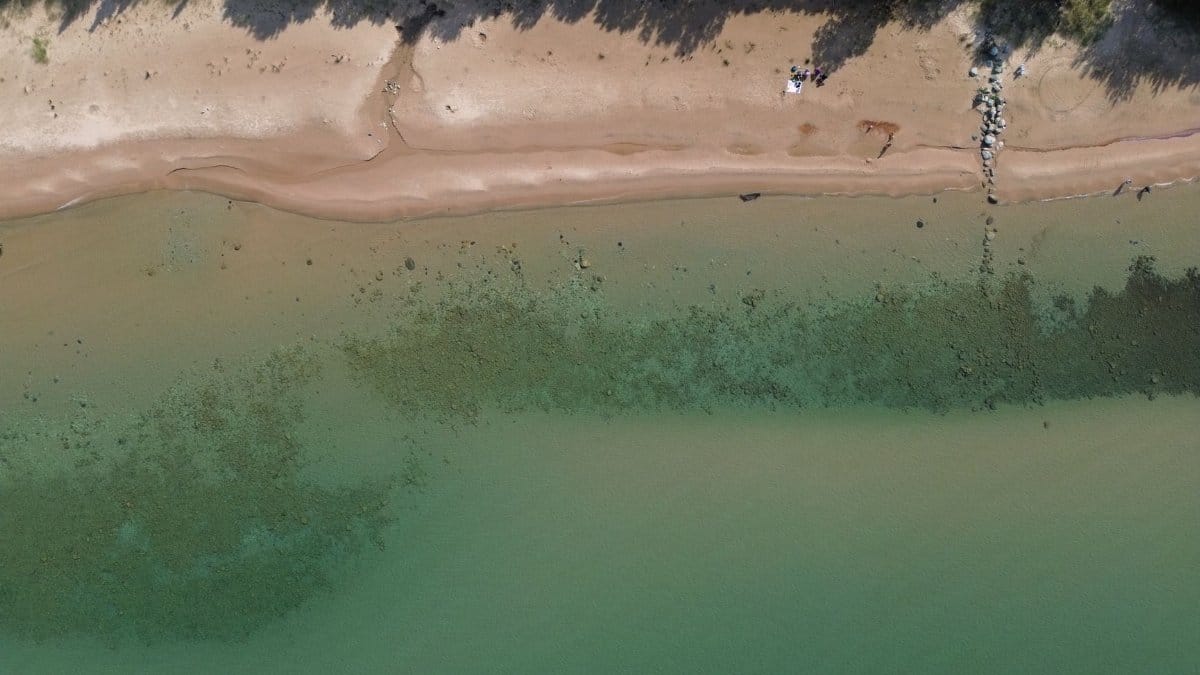
The clear waters of Torch Lake have long drawn families and nature enthusiasts to northern Michigan for quiet moments amid stunning scenery. Recent developments in Torch Lake conservation mark a significant step forward, with a major agreement securing vast stretches of shoreline against future development pressures.
The Details Behind the Landmark Agreement

A substantial financial commitment has led to the protection of hundreds of acres along this iconic body of water. The arrangement involves private landowners working with conservation groups to place permanent restrictions on the land. This ensures that the natural character remains intact for generations to come while allowing limited traditional uses.
Ecological Value of the Protected Shoreline

The preserved area supports diverse plant and animal life that thrive in the unique conditions of Torch Lake. Wetlands and forested zones provide habitats essential for birds, fish and other wildlife. Such zones act as natural filters, maintaining water quality in a region where development has posed ongoing risks to aquatic ecosystems.
Historical Context of Land Use in the Region
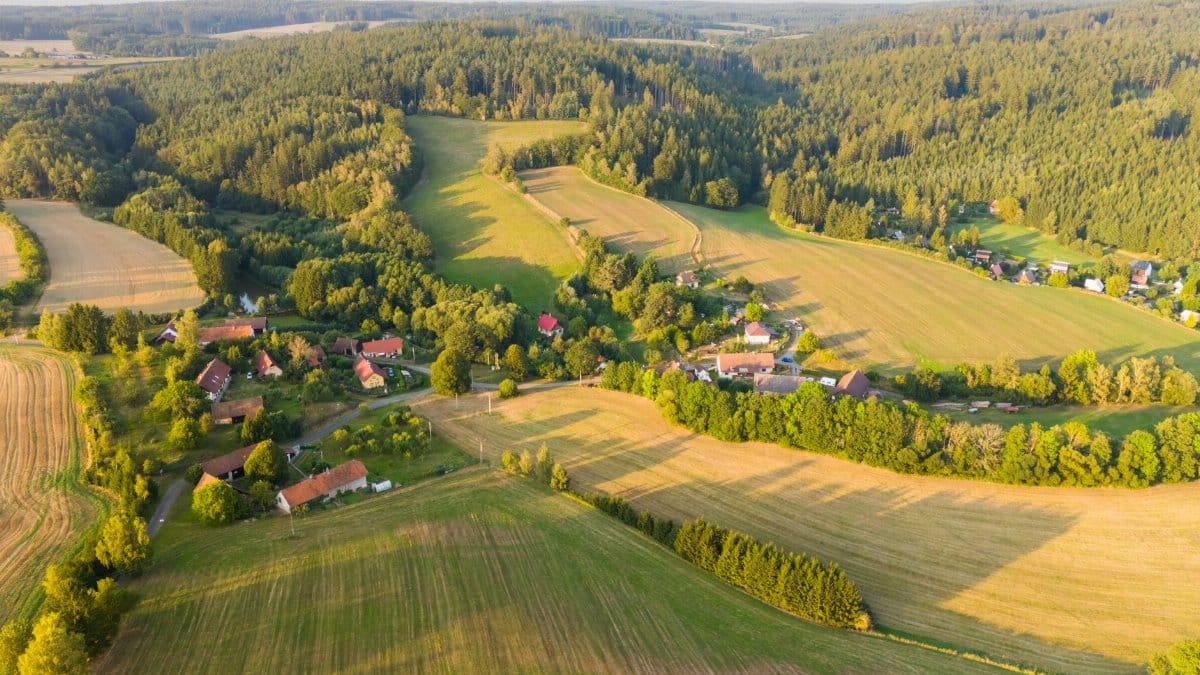
Over decades, Torch Lake has witnessed shifts from industrial activity to recreational appeal. Early settlers and later industries left marks on the landscape, yet community awareness grew around the need to safeguard remaining wild spaces. This latest measure builds on earlier local initiatives that highlighted the lake’s role in regional identity.
Community Perspectives on Preservation Efforts

Residents and seasonal visitors express relief at the outcome, noting how unchecked growth could alter the peaceful atmosphere they value. Local officials emphasize collaborative approaches that respect property rights while advancing shared goals of environmental stewardship. Discussions in town halls revealed broad support for measures that balance economic needs with long term protection.
Financial Mechanisms Supporting the Project

Funding came through a combination of public grants and private contributions totaling millions. The easement structure compensates owners for development rights they forgo, creating a model that other areas might follow. This approach demonstrates how targeted investments can yield enduring public benefits without full land acquisition.
Potential Effects on Local Recreation and Tourism

With shoreline access secured, opportunities for boating, swimming and quiet reflection persist in a controlled manner. Tourism operators anticipate sustained interest from those seeking pristine settings, as the protections signal commitment to quality experiences. The lake’s reputation for clarity and beauty stands to benefit from these safeguards against sprawl.
Broader Implications for Michigan Waterways
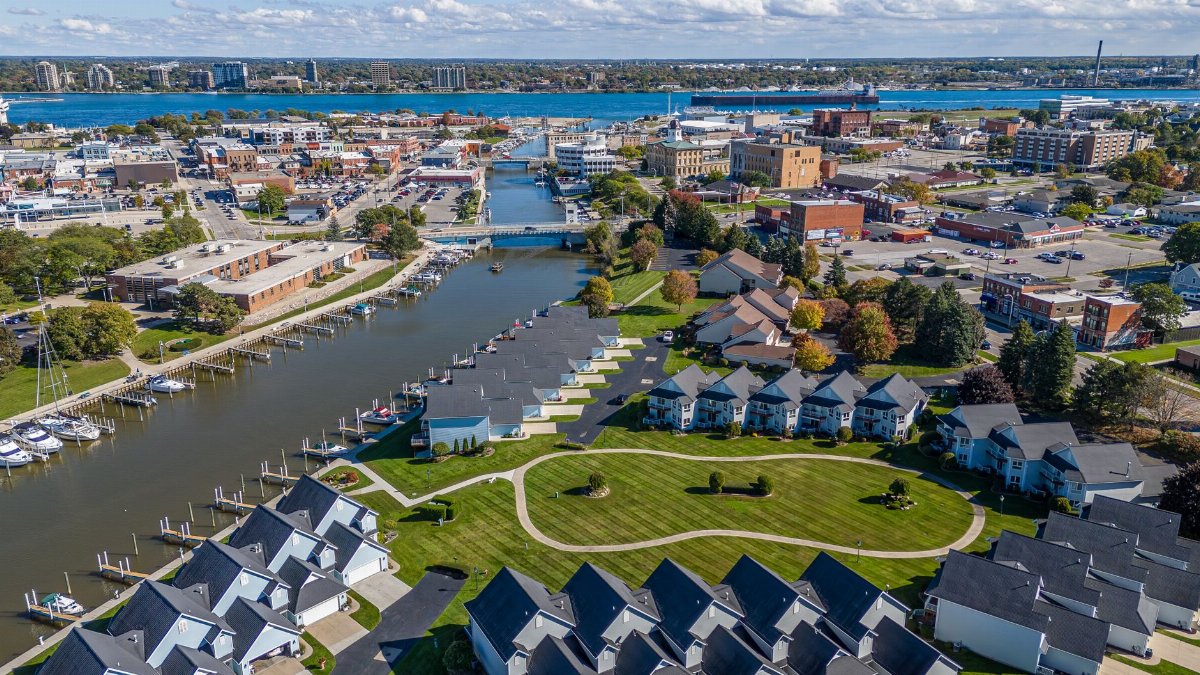
Success here could inspire similar actions across other Great Lakes tributaries and inland waters facing similar pressures. Patterns of conservation in Torch Lake conservation demonstrate scalable strategies that address habitat loss and water resource challenges statewide. Policymakers may draw lessons on engaging stakeholders effectively.
Challenges Encountered During Negotiations

Reaching consensus required careful navigation of differing interests among owners, regulators and advocacy organizations. Questions around valuation and permitted activities demanded detailed discussions over extended periods. Ultimately, compromises emerged that satisfied core objectives without compromising the integrity of the protected zones.
Looking Ahead to Ongoing Stewardship

Maintenance of the easement will involve regular monitoring and community education to ensure compliance. Future generations stand to inherit a landscape where natural processes continue unimpeded. This outcome reflects a growing recognition that proactive steps today prevent irreversible losses tomorrow.