

In the shadow of Colorado’s Rocky Mountains, a subtle shift is underway. Recent data from the Colorado Health Institute shows that over 40 percent of residents report heightened awareness of internal cues, up from just 25 percent a decade ago. This isn’t about flashy trends. It’s a quiet emotional signal now emerging, one tied to the state’s vast landscapes and slower pace. People are tuning into feelings long buried by urban hustle. Walk through Boulder or Denver, and you sense it in conversations. Friends share stories of pausing to breathe, to listen inward. This isn’t coincidence. It’s a response to broader stresses. As life speeds up elsewhere, Colorado offers space for reflection. But what does this signal mean? And how is it reshaping lives?
The Roots in Colorado’s Landscape

Colorado’s terrain has always whispered secrets. Vast plains stretch out, meeting jagged peaks that pierce the sky. For many, this environment fosters introspection. Think of early settlers drawn here by gold rushes, only to find solace in the solitude. Today, that same pull draws modern seekers. A hiker in Aspen might stop mid-trail, struck by a sudden wave of clarity. It’s not mystical; it’s grounded in science. Research from the University of Colorado Boulder highlights how natural settings reduce cortisol levels, allowing suppressed emotions to surface. University of Colorado Boulder’s Psychology and Neuroscience Lab has documented this in studies on nature’s impact on mental health.
Yet tensions arise. Not everyone arrives ready for such revelations. Some visitors, escaping city chaos, confront unexpected vulnerabilities. One anonymous account shared publicly described arriving in the mountains expecting adventure, only to face a flood of unresolved grief. It hit like a storm. This illustrates the double-edged nature of the place. The quiet amplifies inner noise. But with time, it balances. Residents often speak of finding equilibrium here, away from constant distractions.
Transitions to daily life vary. For some, it’s seamless. Others struggle, integrating these signals into routines back home. The key lies in gradual exposure. Start with short walks. Build from there.
Emotional Signals in Everyday Interactions

Start with a simple exchange at a local coffee shop in Fort Collins. A barista notices a customer’s distant gaze and asks, genuinely, how they’re doing. That small act uncovers layers. In Colorado, such moments are common. They’re part of the emerging signal, where people pick up on nonverbal cues more readily. Body language, tone shifts, all gain weight in conversations.
This isn’t new, but it’s intensifying. A report from the American Psychological Association notes a national uptick in emotional intelligence, with Western states leading. American Psychological Association on Emotional Intelligence links this to community-oriented lifestyles. In Colorado, tight-knit towns encourage it. Friends gather for hikes, sharing vulnerabilities openly. One group in Durango formed a support circle after a tough winter, turning subtle signals into spoken truths.
Challenges persist, though. Misreading signals can lead to misunderstandings. A quiet nod might mean agreement or discomfort. Navigating this requires practice. Experts suggest active listening exercises, like paraphrasing what you hear. Over time, it sharpens awareness. The reward? Deeper connections. In 2025, as remote work keeps people in these areas longer, these skills become essential tools for balance.
Challenges of Tuning In

What happens when the signal overwhelms? For some Coloradans, the quiet invites too much inward focus. Isolation in rural areas can amplify anxiety. A recent survey by the Colorado Department of Public Health and Environment found 30 percent of mountain residents experience heightened emotional sensitivity, sometimes leading to burnout. Colorado Department of Public Health and Environment Surveys detail these patterns.
Picture a teacher in a small town, juggling work and family. She starts noticing every slight tension in her students, absorbing it like a sponge. It drains her. Stories like this emerge in online discussions, where people vent about the exhaustion of constant attunement. One shared feeling trapped by their own empathy, seeking ways to set boundaries.
Yet solutions exist. Therapists recommend grounding techniques, like mindfulness apps tailored to outdoor settings. Building resilience involves recognizing when to step back. It’s a dance of engagement and retreat. Over months, many report finding a sustainable rhythm, turning potential pitfalls into strengths for recovery.
Practical Steps for Recognition
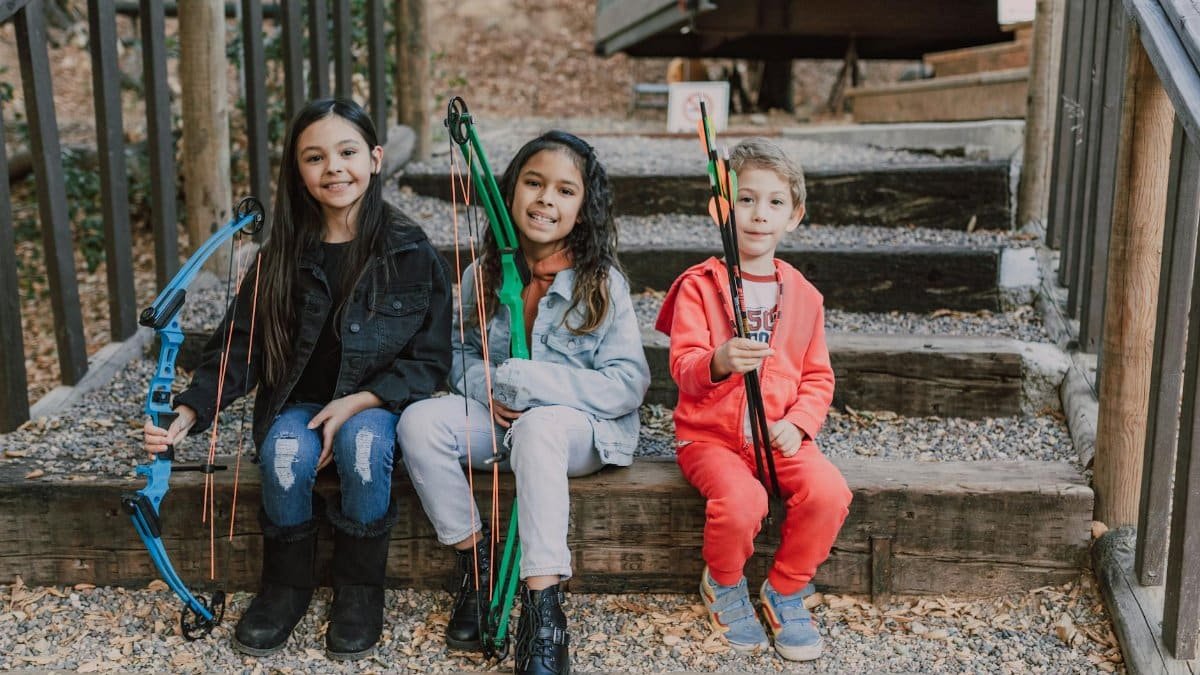
Dive straight into action. Begin by carving out quiet time daily. Sit in a park, or if you’re in Colorado, by a stream. Notice bodily sensations. A tight chest might signal stress. Journal it. This builds the habit.
Next, observe others. In meetings or family dinners, watch for micro-expressions. A furrowed brow could indicate worry. Respond with care. Studies from Harvard’s psychology department support this approach, showing improved relationships through such awareness. Harvard University Department of Psychology Research offers insights into emotional recognition.
Don’t rush. Start small. One person tried this during commutes, noting how traffic frustrations mirrored deeper issues. It led to therapy, then healing. In 2025, with apps tracking mood patterns, technology aids this process. But remember, it’s personal. Adapt to your life.
Variety helps. Mix solitude with social practice. Join a local group focused on emotional wellness. Colorado has plenty, from yoga retreats to discussion circles. The goal? Make the signal a ally, not a burden.
Impact on Community and Relationships
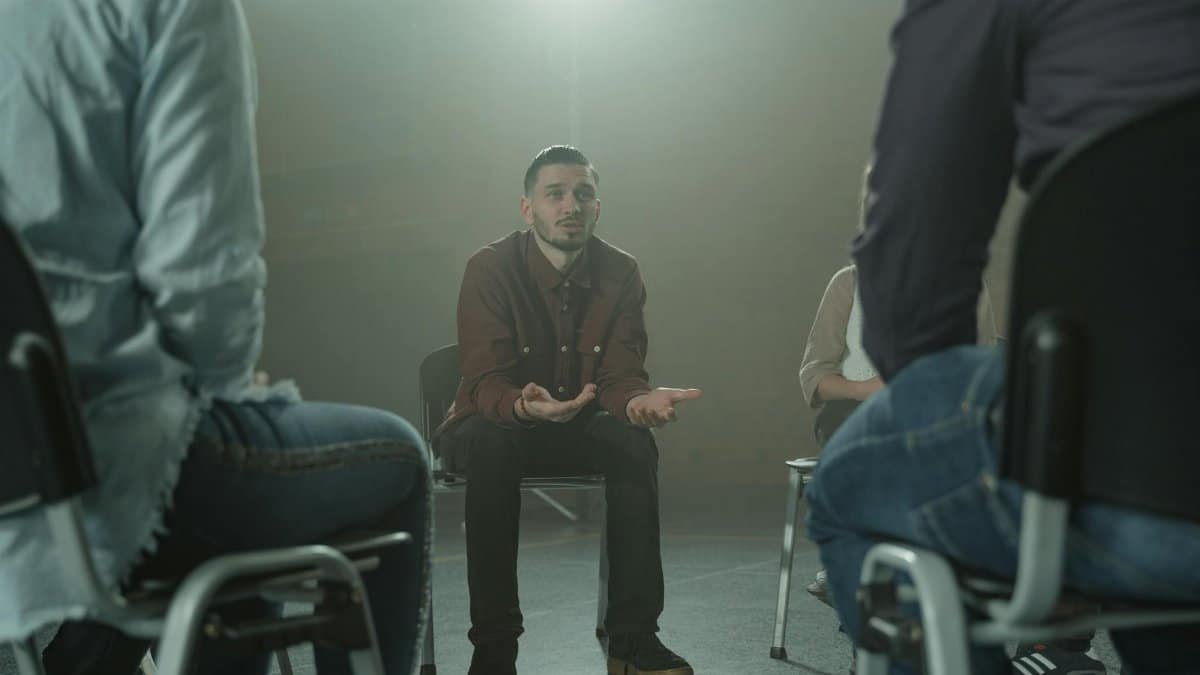
Communities thrive when emotional signals are heeded. In Colorado Springs, neighborhood initiatives address mental health openly. Potlucks turn into sharing sessions, where subtle cues guide support. This fosters recovery and balance.
On a broader scale, it influences workplaces. Companies in tech hubs like Boulder incorporate emotional check-ins. Employees report feeling seen, reducing turnover. Data from Gallup underscores this, linking emotional awareness to productivity. Gallup Workplace Insights provides statistics on engagement.
Relationships deepen too. Couples hike trails, using the setting to discuss feelings. One pair described how noticing each other’s signals prevented arguments. It’s not always smooth. Differences in sensitivity can strain bonds. But with effort, it strengthens ties. As trends evolve in 2025, this communal attunement could model healthier interactions nationwide.
The Broader Cultural Ripple

Beyond Colorado, this signal echoes. Media portrays it in shows set against natural backdrops, characters confronting inner worlds. It’s a timeless mystery, resurfacing in eras of change.
Experts speculate its growth ties to post-pandemic recovery. People seek authenticity amid digital noise. A Pew Research Center study on American well-being notes rising interest in mindfulness, especially in the West. Pew Research Center on Health Attitudes captures this shift.
Critics argue it’s overhyped, a luxury for the privileged. Yet accessibility grows through free resources. Online forums buzz with tips, one user recounting how urban dwellers mimic it with balcony meditations. The ripple spreads, inviting more to explore.
Ultimately, it’s about harmony. In a divided world, tuning into these signals promotes understanding. Colorado leads, but the invitation is open.
Sustaining the Momentum

How to keep it going? Consistency matters. Set reminders for reflection. Pair it with habits like morning coffee.
Seek community reinforcement. Book clubs in Denver discuss books on emotions, blending literature with life. It sustains interest.
Measure progress subtly. Note fewer misunderstandings, more peace. If setbacks occur, adjust. Therapy integrates well here.
In essence, this emerging signal isn’t fleeting. With nurture, it becomes a lifelong guide toward balance and recovery.