
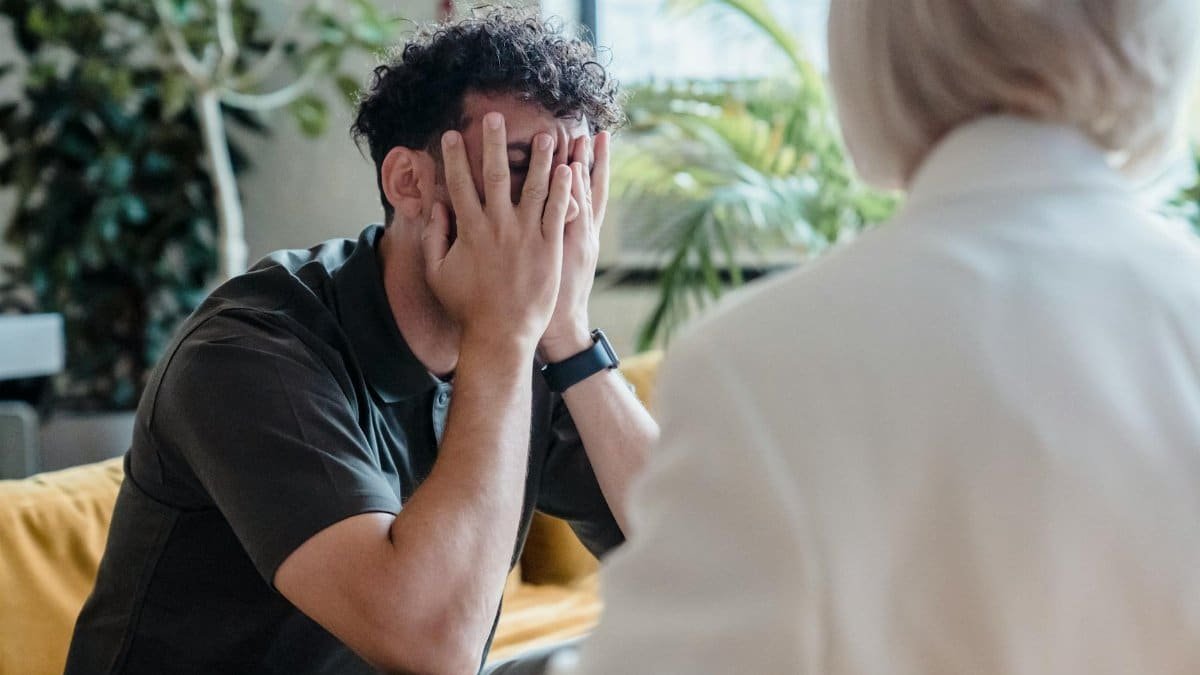
In the bustling wellness scene of Colorado, a groundbreaking approach is helping people reclaim their calm. Meet the Colorado Method, a practical toolkit for support, nervous, recovery that’s turning heads nationwide. When Lisa M., a stressed-out tech worker from Boulder, stumbled upon it last year, she didn’t expect much. But after just weeks, her anxiety levels plummeted, and she felt more balanced than ever. This method, rooted in conscious practices, blends energy work with simple daily habits. As Americans grapple with rising stress in 2025, it’s emerging as a go-to for nervous system reboot. But does it really work for everyone?
What Exactly is the Colorado Method?

The Colorado Method isn’t some mystical secret—it’s a structured system developed by local wellness experts in the Rocky Mountains. At its core, it focuses on supporting the nervous system’s natural recovery processes through targeted techniques. Think of it as a reset button for your body’s stress response. Originating from Boulder-based practitioners in the early 2020s, it draws from neuroscience and ancient energy balancing traditions. Users report better sleep, reduced jitters, and sharper focus. In a nation where 40% of adults battle anxiety, per recent surveys, this method offers a fresh path forward.
Core Components of Nervous System Support

Breaking it down, the method emphasizes three pillars: breathwork, movement, and mindfulness. Breathwork involves deep, rhythmic inhales to calm the vagus nerve, the body’s chill-out highway. Movement could be gentle hikes in Colorado’s trails or yoga flows that release pent-up tension. Mindfulness ties it together, encouraging present-moment awareness to halt the cycle of nervous overload. Experts say these elements work synergistically to foster recovery. A study from the University of Colorado highlighted how such practices lower cortisol levels by up to 25%. For those seeking support, nervous, recovery, starting here makes sense.
Common Challenges in Recovery

Not everyone glides through the process. Many face hurdles like initial discomfort from confronting built-up stress or skepticism about “woo-woo” energy concepts. In Colorado’s high-altitude environment, practitioners note that dehydration can amplify nervousness, complicating recovery. Users often struggle with consistency—life gets in the way. Yet, the method addresses this with flexible routines, adaptable to busy schedules. Real talk: if you’re dealing with chronic fatigue or burnout, expect some pushback from your body at first. Persistence pays off, as testimonials from Denver locals show.
Practical Steps to Get Started

Ready to dive in? Begin with a five-minute breath exercise: inhale for four counts, hold for four, exhale for six. Follow with a short walk, focusing on grounding your feet. Incorporate energy balancing by visualizing a protective aura around you—sounds simple, but it shifts your vibe. Track progress in a journal to monitor nervous recovery. Colorado Method workshops, available online or in-person, guide newcomers. In 2025, with virtual sessions booming, access is easier than ever. No fancy gear needed—just commitment.
Impact on Daily Life and Energy Balance

Once integrated, the method reshapes routines. People report sustained energy without the crashes, better emotional regulation, and improved relationships. It’s all about balance: aligning your nervous system with conscious choices. In the U.S., where work stress hits epidemic levels, this could be a game-changer. A report from the American Psychological Association notes rising burnout rates, making tools like this essential. Users say it enhances productivity, turning nervous energy into focused drive. For those in high-pressure jobs, it’s like armor against daily chaos.
Scientific Backing and Evidence

Skeptics, take note: science supports much of this. Research on vagus nerve stimulation shows it aids recovery from stress-related disorders. A 2023 study published in the Journal of Neuroscience found breathwork reduces anxiety symptoms effectively. Links to reputable sources back this up—check the National Institutes of Health for overviews on nervous system health, or dive into findings from the CDC’s Mental Health Resources. Colorado’s own universities contribute data, emphasizing holistic approaches over pills.
Real Stories from Practitioners

Take Mike T., a Colorado Springs veteran who battled PTSD. “The method gave me tools to support my nervous recovery when therapy alone wasn’t enough,” he shared. Or Emily R., a mom juggling remote work: “It balanced my energy, letting me show up fully for my family.” These aren’t outliers—community forums buzz with similar wins. In 2025, as wellness trends evolve, such anecdotes highlight the method’s grassroots appeal. It’s not a cure-all, but for many, it’s the missing piece in their recovery puzzle.
Potential Drawbacks and Considerations

Honesty check: it’s not perfect. Some experience temporary heightened awareness of emotions, which can feel overwhelming. If you have underlying health issues, consult a doctor first—nervous system work isn’t a substitute for medical care. Cost can be a barrier; workshops run $50-$200. Plus, results vary by individual factors like diet and environment. In Colorado’s variable climate, seasonal affective disorder might influence outcomes. Weigh these before committing to ensure it fits your needs.
Integrating with Modern Lifestyles

Adapting the Colorado Method to 2025 life is straightforward. Pair it with apps for guided meditations or wearables tracking heart rate variability, a key nervous health marker. Urban dwellers far from mountains can simulate hikes with stair climbing. For remote workers, quick sessions during breaks maintain balance. As conscious practices gain traction in the U.S., blending this with tech amplifies effects. It’s about weaving support, nervous, recovery into your day without overhauling everything.
Why It’s Gaining Traction Now

In a post-pandemic world, nervous system fatigue is rampant. The method’s rise aligns with a surge in holistic health searches, up 30% per Google Trends. Colorado leads the charge, exporting its balanced ethos nationwide. With economic pressures mounting in 2025, people crave accessible tools. Experts predict it’ll influence broader wellness policies, perhaps even workplace programs. If you’re nervous about trying, remember: small steps lead to big recoveries.