

Simply put, coffee badging is showing up at the office just long enough to grab a coffee and badge in, then heading home. This ritual has exploded as the passive-aggressive protest of 2026. Workers across the U.S. are using it to push back against strict mandatory return-to-office mandates from employers. No longer willing to commute for full days, employees opt for the bare minimum to satisfy tracking systems. The trend signals deepening tensions in post-pandemic work culture, dated back to reports from January 14, 2026.
What Drives Coffee Badging?
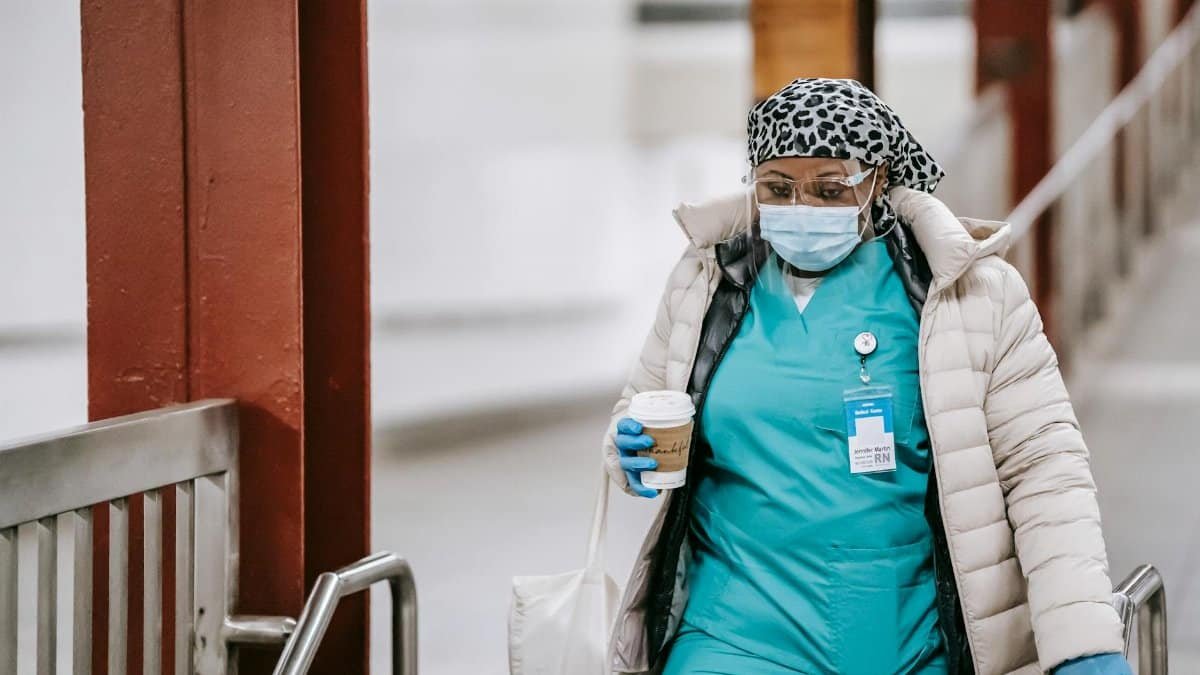
Mandatory return-to-office policies have ignited employee frustration. Companies demand presence to foster collaboration and culture, but workers see it as unnecessary control. Coffee badging emerges as a clever workaround. Employees arrive early, swipe their badge to log attendance, sip a quick coffee for the optics, and leave. This minimal compliance undercuts the spirit of full-day mandates without outright defiance. It’s a quiet rebellion, rooted in the desire for flexibility earned during remote work years.
The Simple Ritual Explained
The process is straightforward: show up, drink coffee, go home. Arrive at opening hours, navigate to the badge reader, grab a cup from the office percolator, and exit before meetings start. No desks claimed, no small talk prolonged. This act fulfills technical requirements like badge scans or motion sensors that track occupancy. In 2026, it’s become a symbol of efficiency over endurance. Workers reclaim their commutes and personal time, turning the office into a pit stop.
Passive-Aggressive Roots

Coffee badging thrives on subtlety. It’s not a strike or walkout, but a passive-aggressive jab at rigid policies. Employees comply on paper while rejecting the full commitment. Managers spot empty desks mid-morning, yet records show “present.” This dissonance forces companies to confront enforcement gaps. The protest avoids confrontation, letting actions speak. As return-to-office mandates tighten, such tactics gain steam, highlighting unspoken workplace resentments.
Backlash Against Mandates
Employers rolled out mandatory in-office rules to revive pre-pandemic norms. But employees, accustomed to remote productivity, resist. Coffee badging fights back by exposing mandate flaws. Why endure hours in traffic for marginal gains? The trend underscores a power shift. Workers vote with their feet—or rather, their quick exits. In 2026, this protest marks a cultural pivot, where flexibility trumps face time.
For context on similar trends, early coverage appeared in Forbes, detailing the badge-and-bail pattern.
Office Dynamics Shift
Coffee badging disrupts traditional rhythms. Hallways empty fast, coffee stations see morning rushes followed by silence. Leaders face tough choices: ramp up surveillance or rethink policies. The protest reveals badge systems’ limits—they track entry, not engagement. Employees leverage this loophole, prioritizing life over location. U.S. workplaces feel the strain as productivity debates reignite.
Why 2026 Marks the Peak
January 14, 2026, spotlighted coffee badging as the year’s defining pushback. With mandates peaking amid economic pressures, employees dig in. It’s more than convenience; it’s assertion of boundaries. Companies mandating five-day weeks provoke these responses. The trend amplifies calls for hybrid models, where presence serves purpose, not punishment.
Broader Workplace Implications
This rebellion hints at evolving contracts between employers and staff. Coffee badging tests loyalty metrics, questioning if badges equal contribution. Firms may adapt with flexible hours or results-based tracking. Employees, meanwhile, normalize the tactic, sharing tips on optimal timing. The passive protest evolves work’s social contract, demanding trust over surveillance.
Related insights from the BBC outline how such behaviors challenge RTO efforts globally.
Employee Empowerment in Action
Workers embrace coffee badging for empowerment. It reclaims autonomy lost to top-down rules. No need for union votes—just personal choice. The coffee cup becomes a prop in this theater of compliance. As 2026 unfolds, expect refinements: faster badge-ins, remote coffee alternatives. The core remains: fight mandates on your terms.
Corporate Response Ahead
Leaders grapple with visibility. Empty offices prompt policy tweaks, perhaps core hours or badge reforms. Coffee badging forces dialogue on what “office” means today. Employees hold leverage in talent wars, using the trend to negotiate better hybrids. This 2026 standoff redefines rebellion as routine.