
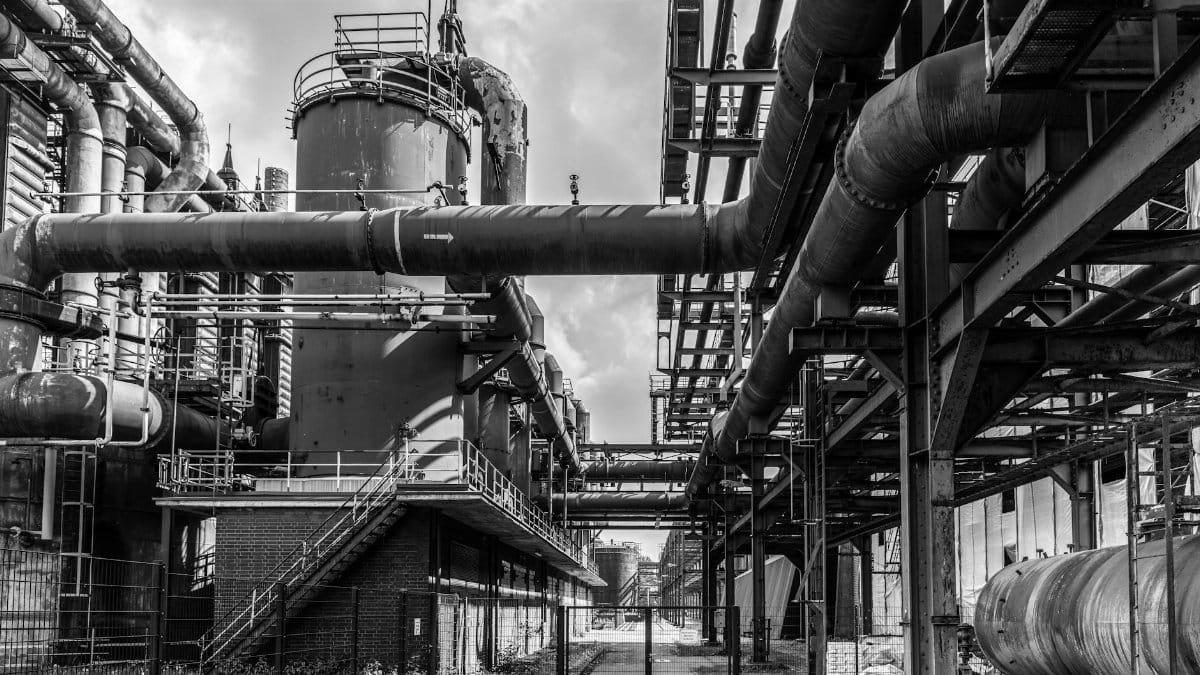
In a surprising twist, a small coal town in West Virginia has transformed a relic of its industrial past into a beacon of modern wellness. The west virginia wellness cave, a 300-foot retired coal shaft turned Himalayan-salt grotto, has drawn thousands to Beckley since its opening. In just one month, 4,600 visitors have flocked to experience its unique EgoEase guided silence sessions, pumping $380,000 into the local economy. This innovative project signals a shift for a region long defined by mining, now seeking new paths to prosperity.
A New Purpose for an Old Mine

In Beckley, West Virginia, a city once tethered to the coal industry, an abandoned mine shaft has found an unexpected second life. Unveiled on April 2, 2025, the 300-foot cavern has been converted into a Himalayan-salt grotto, a space designed for relaxation and rejuvenation. The walls, infused with salt known for its purported air-purifying properties, create an otherworldly atmosphere. Visitors enter to escape the noise of daily life, immersing themselves in a setting that feels both ancient and futuristic.
EgoEase Sessions: Silence as Therapy

Central to the west virginia wellness cave’s appeal are its EgoEase guided silence sessions. These structured experiences encourage participants to disconnect from technology and external distractions, focusing inward in the serene, salt-lined environment. While specific details on the sessions’ format remain limited, the concept has clearly resonated. The tourism board notes that many visitors cite the sessions as a primary draw, seeking mental clarity in a space far removed from the bustle of modern life.
Economic Boost for Beckley

The impact on Beckley’s economy has been immediate and significant. Within the first month of operation, the wellness cave attracted 4,600 visitors, generating $380,000 for local businesses. Hotels, restaurants, and shops have seen a surge in activity as tourists arrive to explore this unconventional attraction. For a town grappling with the decline of coal, this influx offers a glimpse of what economic diversification could look like, providing a much-needed lifeline to small businesses still recovering from industry downturns.
Tourism as a Catalyst for Change
The West Virginia tourism board views the wellness cave as a potential model for other struggling coal towns. Repurposing industrial relics into attractions not only preserves history but also creates new revenue streams. The success in Beckley could inspire similar projects across the state, where abandoned mines dot the landscape. While it’s too early to predict widespread adoption, the numbers suggest that wellness tourism might be a viable path forward for regions seeking reinvention in 2025 and beyond.
Scientific Oversight and Air Quality

Geologists from West Virginia University are closely monitoring the wellness cave to ensure its safety and to study its environmental benefits. Their focus is on air quality within the salt-lined shaft, examining whether the microclimate offers tangible health advantages, as many salt therapy proponents claim. Though definitive results are pending, early observations suggest the controlled environment may reduce airborne pollutants, creating a cleaner breathing space. This research could validate the cave’s wellness claims, further boosting its credibility and appeal.
For broader context on salt therapy’s potential benefits, studies summarized by the American Lung Association provide a balanced view, noting limited but promising evidence. Additionally, research archived at National Institutes of Health offers deeper insights into microclimate effects on respiratory health, relevant to the cave’s ongoing evaluation.
Long-Term Job Diversification

Beyond immediate economic gains, economists are assessing the wellness cave’s potential to reshape Beckley’s job market. The project has already created roles in tourism, hospitality, and facility management—sectors far removed from coal mining. While the exact number of jobs isn’t yet clear, the shift represents a critical opportunity for workers to pivot to sustainable industries. Economists caution that long-term success depends on consistent visitor numbers and strategic planning, but the early signs point to a promising redefinition of local employment.
Challenges on the Horizon

Despite the initial triumph, hurdles remain for the west virginia wellness cave. Maintaining a steady flow of visitors in a remote area like Beckley requires ongoing marketing and infrastructure investment. Additionally, the novelty of a salt grotto in a mine shaft may wear off without fresh offerings or expanded programming. Local leaders will need to balance the costs of upkeep with the benefits of tourism revenue, ensuring the project doesn’t become a financial burden over time.
A Symbol of Resilience

For now, the wellness cave stands as a symbol of resilience for West Virginia, a state often overlooked in national conversations about innovation. Beckley’s experiment shows how communities can repurpose their past to build a healthier, more diverse future. As geologists and economists continue their analyses, the project’s broader implications—both for wellness and economic recovery—will become clearer. What’s certain is that this once-forgotten mine has sparked a conversation about reinvention, one visitor at a time.