
In recent developments affecting the automotive industry a major manufacturer has initiated a large scale action involving hundreds of thousands of vehicles. This situation involving the Chrysler camera recall highlights ongoing challenges with integrated technology in modern transportation. Drivers across the country may need to visit service centers to address a software issue that affects rear view cameras. Such events prompt reflection on how society depends on these systems for daily safety and convenience. The recall encompasses models from several brands under the same corporate umbrella. Owners are advised to check with dealers regarding eligibility for the free repair.
Background on the Corporate Decision

Stellantis the parent company behind multiple American vehicle lines determined that a software glitch could prevent the display of images from rear cameras during reversing maneuvers. This determination followed internal reviews and reports from the field. The company chose to notify regulators and proceed with a broad remedy program. Middle aged consumers who rely on these vehicles for family transport or work commutes now face questions about timing and logistics of the fix.
Models Affected by the Action

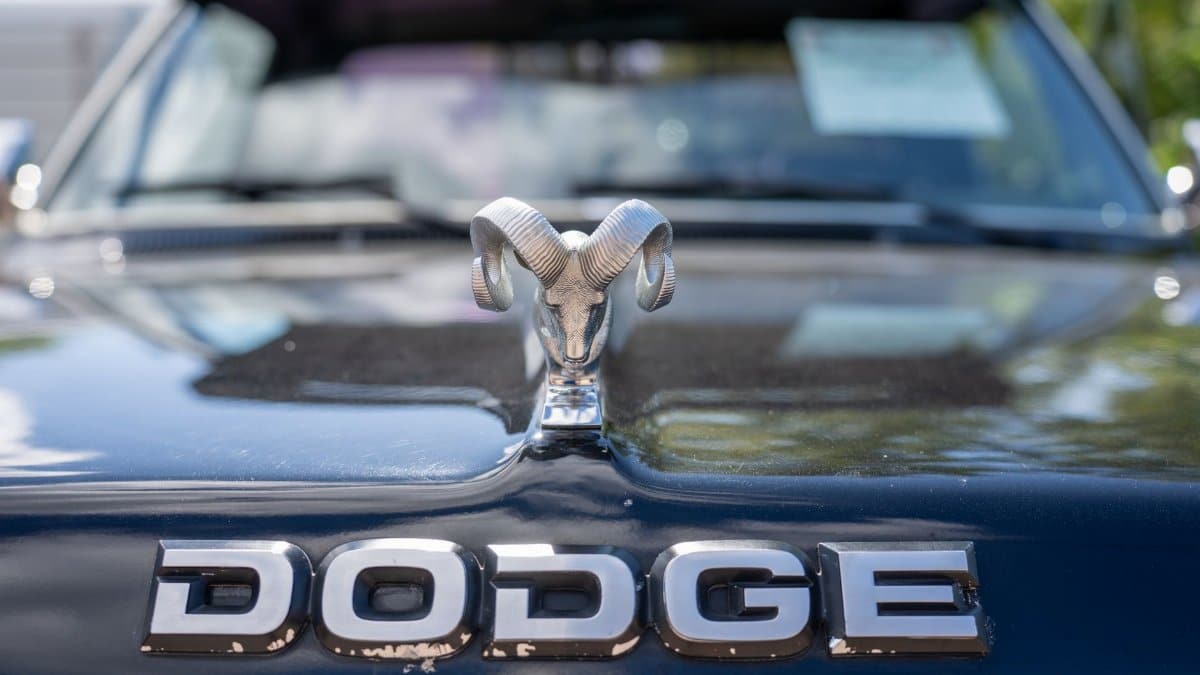
A range of Chrysler Dodge Jeep and Ram vehicles from recent model years fall under the scope of this program. Specific configurations equipped with certain infotainment systems require the update. The total figure approaches nine hundred thousand units distributed across the United States. Regional dealerships will receive the necessary software tools in phases to accommodate the volume.
Technical Nature of the Software Concern
The core problem lies in the way the camera feed processes and transmits visual data to the dashboard screen. Under particular conditions the image may fail to appear leaving drivers without the expected visual aid. Engineers identified the root cause through diagnostic testing and simulation. The remedy involves a straightforward reprogramming that can be completed in under an hour at a service facility.
Regulatory Context and Notifications

Federal agencies received formal notice of the planned recall in accordance with established procedures. This step ensures public records reflect the scope and the proposed solution. Communications to registered owners will arrive by mail with instructions on next steps. Those who have recently purchased used examples from the affected pool should verify their vehicle identification number with a local dealer.
Practical Steps for Vehicle Owners
Individuals who suspect their vehicle matches the criteria can begin by visiting the manufacturer website or contacting customer service. Appointments at authorized centers will allow the update to be applied at no cost. Temporary precautions include heightened attention to mirrors and surroundings when reversing until the service occurs. Many owners report minimal disruption once the process is scheduled.
Broader Implications for Automotive Technology
This episode underscores the intricate balance between convenience features and reliability in contemporary vehicles. As systems grow more complex the potential for software anomalies increases. Industry observers note that recalls of this type have become more frequent in recent years. Consumers may find value in staying informed about updates that affect their daily driving experience.
Reflections on Safety and Human Reliance
At a deeper level events like the Chrysler camera recall invite contemplation about trust in manufactured systems. Drivers place faith in electronic aids that promise to enhance awareness yet these tools remain subject to human design limitations. The episode serves as a reminder that vigilance and mechanical checks retain importance even in an era of advanced assistance. Spiritual perspectives on technology often emphasize humility before the tools we create.
Looking Ahead for the Industry
Stellantis has committed to thorough testing of future software releases to reduce similar occurrences. Other manufacturers may examine their own camera integration processes in light of this action. The goal remains consistent delivery of safe and dependable transportation options. Ongoing dialogue between regulators companies and owners will shape how such matters are handled going forward.