
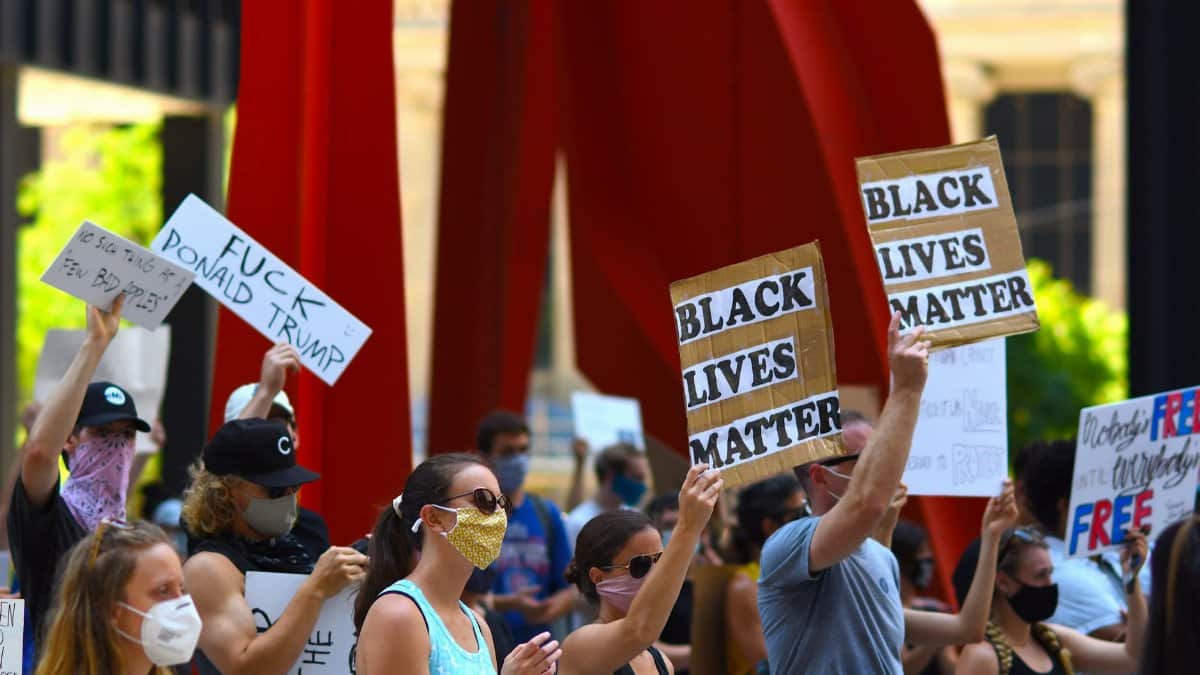
On a warm evening in a city that treats politics as both theater and duty, the noise outside a packed hall competed with the noise inside it. The Houston Chronicle thumbs column later paused over that collision, the Trump Paxton San Antonio rally, and asked readers to sit with what the sound actually meant. Protesters pressed the perimeter. Supporters pressed toward the stage. Pump prices and a war far from Texas sat in the same civic sentence as a state attorney general chasing a new office. The column refused to treat those facts as separate stories.
What a thumbs column is willing to hold

A thumbs column is a strange instrument. It is short by design, opinionated by habit, and often sharper than a full editorial because it must choose. In this case the choice was to place protest, recorded remarks, and a presidential visit in one frame rather than three. That choice matters. Readers who only saw clips of cheering might have missed the dissent at the gates. Readers who only saw the dissent might have missed why the room was full. The column’s job was not to settle the argument. It was to insist that the argument had more than one voice.
Houston’s editorial page has long used the thumbs format to register approval and disapproval without pretending either is the whole truth. Applied to a rally, the format becomes a kind of field note. It records temperature. It does not pretend to be a poll.
A rally built as a campaign instrument
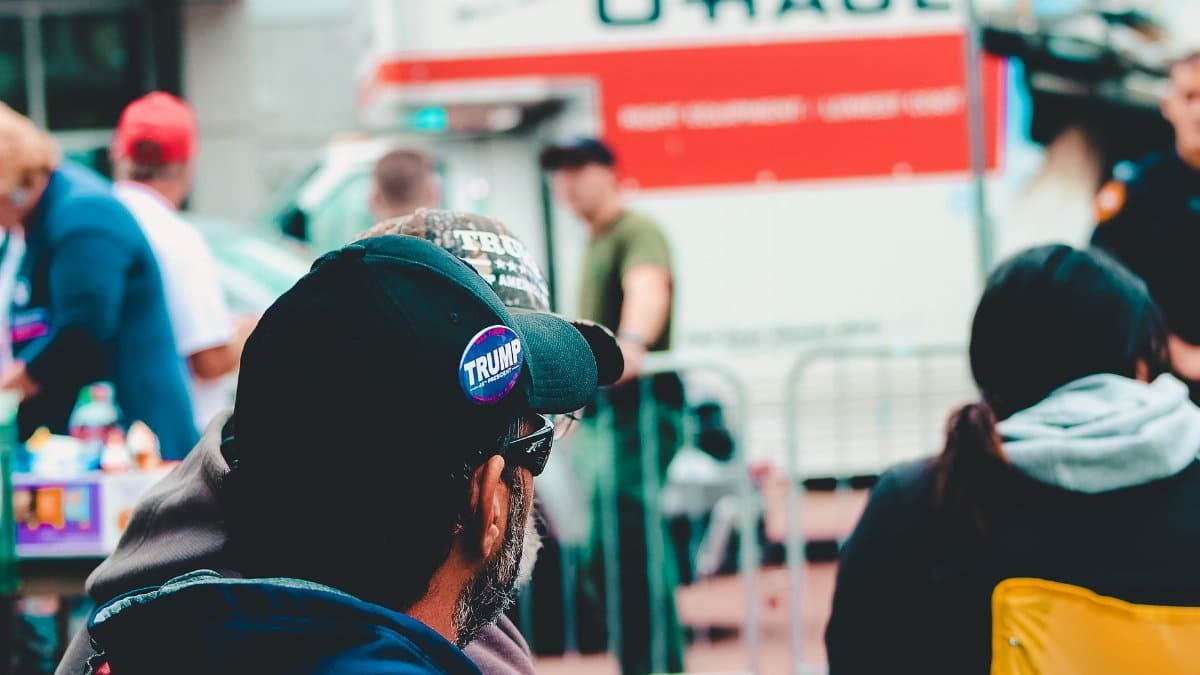
Presidential visits to Texas are rarely casual. They concentrate money, media, and loyalty in a few hours. When the visit is staged to lift a statewide candidate, the candidate becomes both beneficiary and prop. Ken Paxton has spent years as a polarizing attorney general, admired by supporters as a fighter and distrusted by critics as a man who treats law as a weapon. A joint appearance with Donald Trump converts that reputation into campaign fuel. The crowd is not only there to hear policy. It is there to be counted.
San Antonio adds its own pressure. The city is large, diverse, and less automatically loyal to any single faction than some other Texas metros. A rally there is a claim on the map, not just a claim on a room. Organizers want images of enthusiasm that travel. Opponents want images of resistance that travel just as far. Both sides understand the camera.
Protest as a public argument, not a footnote
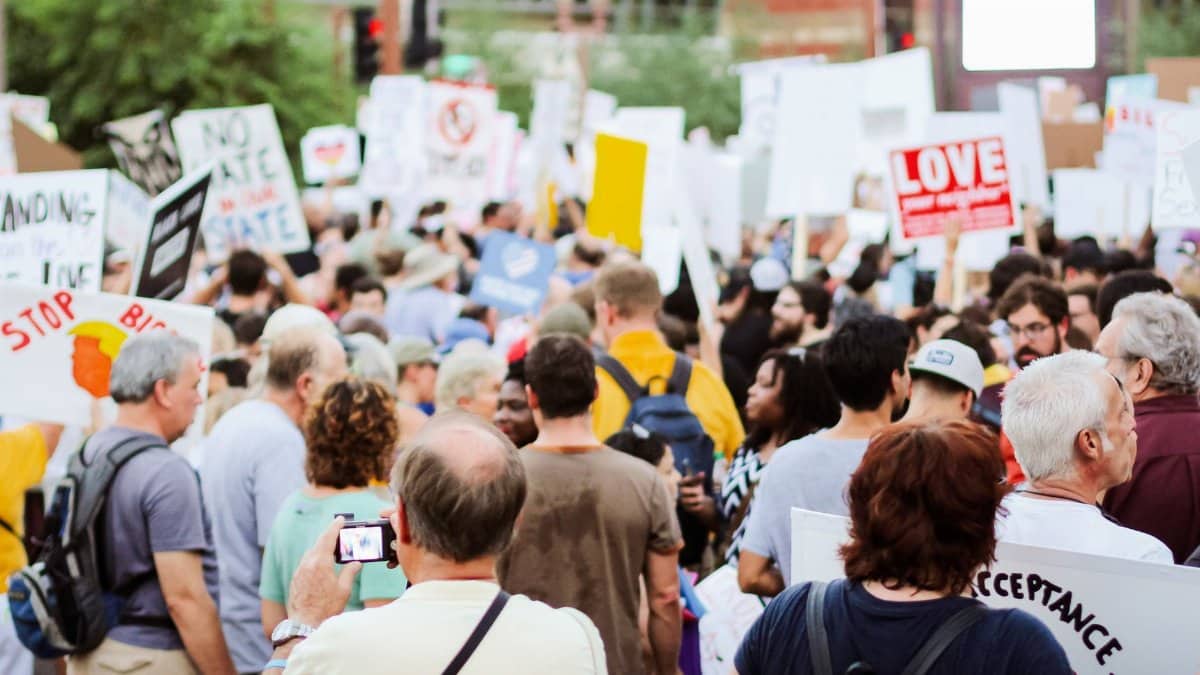
Disruption is easy to dismiss as rudeness. It is harder to dismiss once you grant that streets and sidewalks are part of the political square. Protesters who gathered around the Trump Paxton San Antonio rally were not guests who forgot their manners. They were people using the only stage available to them: the outside of someone else’s event. Their signs and chants did not cancel the speeches. They changed the context in which those speeches would be remembered.
That is the point the column seemed to protect. A rally without protest can be edited into unanimity. A rally with protest cannot, unless editors choose to crop the frame. Noticing the disruption is a small act of accuracy. It says the city did not speak with one mouth.
The audio and the problem of hearing

The same column’s attention to Paxton audio raises a different standard. Recorded remarks travel differently from live cheers. A cheer is atmosphere. A recording is evidence, or at least the start of evidence. Listeners can rewind. They can argue about tone, intent, and what was left unsaid. They cannot honestly pretend the words were never spoken if the recording is authentic and in circulation.
I do not need to restage those remarks here to note the journalistic duty they create. When a candidate’s voice exists on tape, a serious column does not hide behind paraphrase alone. It points readers toward the sound and then explains why the sound belongs in the campaign, not in a sidebar. Context still matters. A clip can flatten a career. Silence can flatter one. The middle path is citation plus judgment, which is what an opinion page is for.
Prices at the pump as political weather
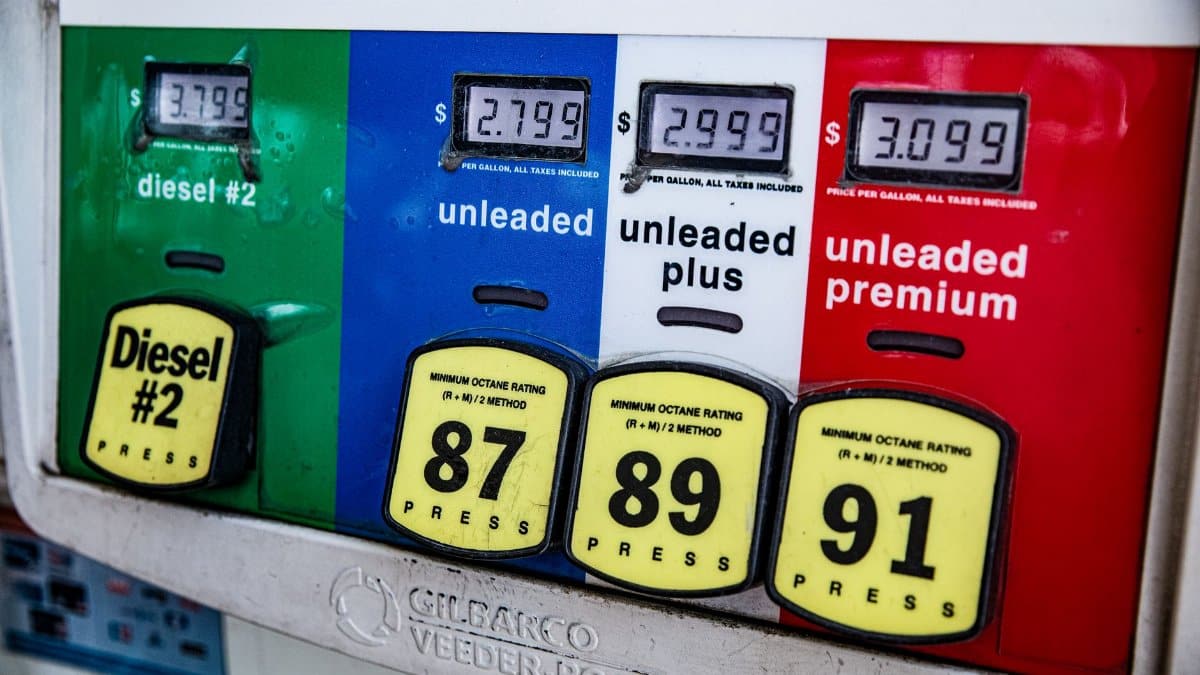
High gasoline prices do not need a speechwriter. Drivers already know the number on the sign. In a state where distance is ordinary and trucks are tools, fuel cost is not an abstraction. It is the weekly budget arguing back. Any rally held while those numbers sting inherits that argument whether the speakers want it or not.
Supporters may blame a distant administration, a war, or markets they do not control. Critics may blame the same list in a different order. The column’s value is that it refuses to let the rally float above the receipt. Politics that cannot survive contact with a gas station is politics performing for itself. The Trump Paxton San Antonio rally happened in that weather, and the weather is part of the story.
A war that will not stay overseas

The Iran war, as the public has come to call the conflict pressing on American attention, does the same work from farther away. Wars rearrange prices, alliances, and fear. They also rearrange campaign language. Candidates borrow gravity from foreign crisis because gravity flatters them. Voters, meanwhile, ask a plainer question: what does this cost, and who is asking me to pay it.
A San Antonio rally cannot answer that question in full. It can only show which leaders want to be associated with the answer. Placing the war beside protest and pump prices, as the thumbs note did, keeps the event from becoming a sealed room. Foreign policy is local the moment it changes what families spend and what they fear.
Loyalty, law, and the moral temperature
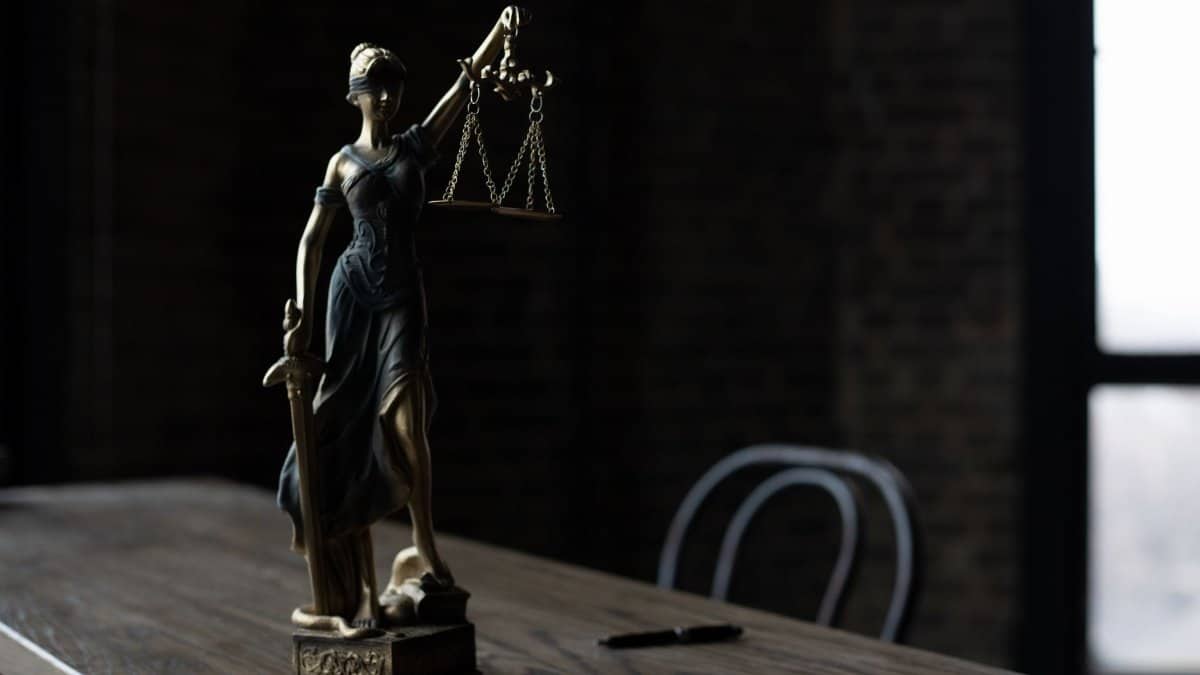
Spiritual language is risky in campaign coverage because it can sanctify a side. Still, rallies are moral theaters whether or not anyone prays. They sort people into the faithful and the suspect. They reward certainty. They punish pause. For readers who care about conscience as much as tactics, the question is not which chant was louder. It is whether public life still has room for doubt, restraint, and the rights of people who lose the room.
Paxton’s career has been argued in courtrooms and in campaigns at once. Trump’s has been argued in every register American politics owns. Together they offer a test of what supporters mean by loyalty. Is it loyalty to a person, to a set of grievances, or to a standard that would still bind them if they held power without applause? A column that merely scores the event as win or loss never reaches that question. A column that notes protest and audio at least leaves the door open.
How images outrun arguments

Modern rallies are built for circulation. A clenched fist, a interrupted speech, a candidate bathed in light: each can outrun the paragraph that explains it. That is why a newspaper note still matters. It slows the image down. It says, here is what else was true in the same hour. The Trump Paxton San Antonio rally will live online as fragments. The fragments will be chosen by allies and opponents with equal skill. A thumbs column is one editor’s attempt to choose differently, in public, with a byline culture that expects pushback.
Readers should treat that attempt as an argument, not as scripture. They should also notice when other outlets crop the same night into a single mood. Unanimity is often an editing decision.
Texas politics after the lights go down
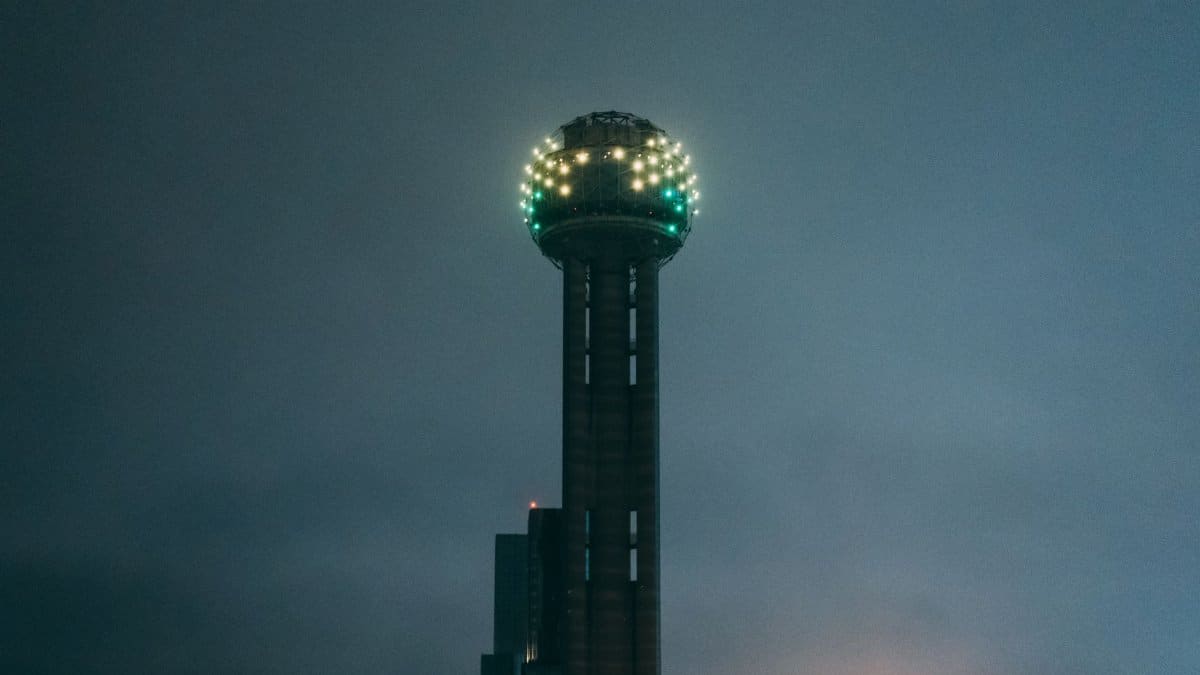
When the hall empties, the candidate still has a race, the president still has a coalition to tend, and the protesters still have jobs in the morning. Statewide contests in Texas are decided by margins that can look small against the size of the state and enormous against the intimacy of a neighborhood. A single rally does not crown anyone. It does reveal who believes a visit is worth the risk of visible dissent.
Paxton’s allies will call the night proof of strength. His critics will call the protests proof of fatigue with a style of power. Both claims can be partly true. Strength and fatigue often share a stage. The honest read is that the event concentrated existing feelings rather than creating new ones. Concentration is still politically useful. It tells donors where the heat is.
What readers can fairly ask next

A fair reader can ask three things without joining a camp. First, were the protesters described with the same specificity as the speakers? Second, was the audio presented so that people could judge it, not merely react to a headline about it? Third, did the account admit the economic and military facts pressing on the crowd, or did it treat the rally as a closed celebration? The Chronicle’s thumbs note, by gathering protest and Paxton audio into one short judgment, invites exactly those questions. That invitation is the civic part.
I keep returning to the awkwardness of the scene because awkwardness is information. A smooth rally tells you about stagecraft. A contested one tells you about the city. San Antonio did not offer smoothness. It offered a president, a candidate, a price shock, a war, and people unwilling to yield the sidewalk. Any account that drops one of those elements is selling a cleaner night than the one that occurred.
The unfinished sentence
Opinion writing ends. Campaigns do not. The Trump Paxton San Antonio rally will be cited by people who were not there, in tones those people already preferred. That is ordinary. What is not ordinary, and what is worth defending, is the habit of putting dissent and documentation in the same sentence as applause. Without that habit, politics becomes a highlight reel. With it, readers still have to decide. The column cannot cast their vote. It can refuse to let them pretend the night had only one sound.