

In homes nationwide parents often find themselves navigating the complexities of family meals where the goal is nourishment yet the process frequently turns tense. A scene unfolds at the table as a child pushes away vegetables while a parent insists on finishing the plate creating friction that lingers beyond the meal itself. This dynamic highlights the need for thoughtful approaches to kids eating that prioritize connection over control fostering habits that endure.
Recognizing the Limits of Strict Control

Parents commonly believe that firm rules around food will lead to better choices but research suggests otherwise. When restrictions dominate the experience children may develop resistance or secrecy around certain items. The emphasis shifts from enjoying food to evading rules which can undermine the very health goals parents seek. Instead of policing portions a more effective path involves setting clear expectations while allowing natural exploration.
Establishing Consistent Daily Routines
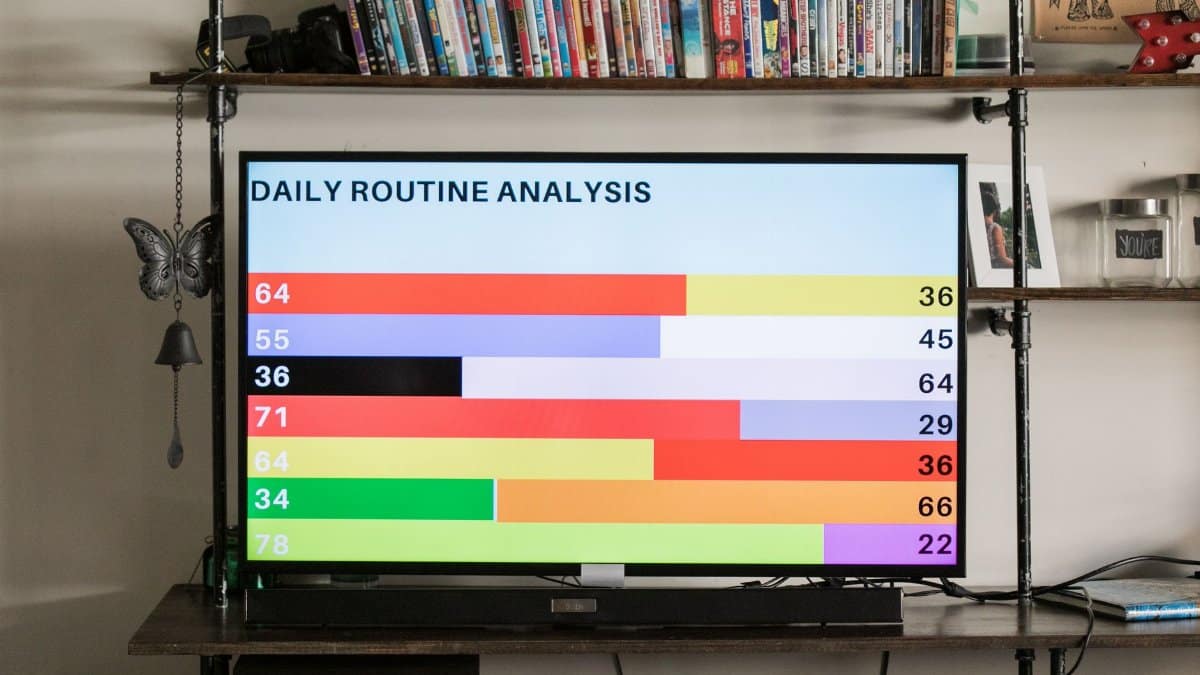
Regular meal times provide a foundation that helps children anticipate and prepare for eating without anxiety. Families that maintain steady schedules notice fewer power struggles as the predictability reduces uncertainty. This structure supports kids eating in a calm manner allowing digestion and social interaction to take center stage rather than negotiation over bites.
Designing an Inviting Table Environment

The atmosphere at meals influences how children engage with their food. Soft lighting comfortable seating and absence of distractions like screens encourage presence and enjoyment. When the setting feels pleasant rather than obligatory kids eating becomes an opportunity for bonding instead of a chore that everyone dreads.
Presenting Balanced Options with Freedom

Offering a variety of foods without mandating specific amounts respects a childs autonomy while ensuring nutrition is available. This method avoids the pitfalls of forcing tastes that may not appeal yet still exposes young ones to new flavors gradually. Over time such exposure builds familiarity without the resentment that pressure often breeds.
Allowing Natural Hunger Signals to Guide Intake

Children possess an innate ability to regulate their appetite when given space to listen to their bodies. Intervening too often with demands to eat more or less disrupts this internal compass. Trusting these signals during kids eating moments leads to self regulation that serves individuals well into adulthood.
Addressing Emotional Aspects of Food Choices

Meals carry emotional weight beyond calories and families benefit from acknowledging feelings that arise around the table. Conversations about the day rather than critiques of eating habits create positive associations. This approach transforms potential conflicts into moments of understanding supporting overall family well being.
Learning from Longstanding Family Patterns

Many adults recall their own childhood meals and recognize how those experiences shape current practices. Reflecting on what worked or fell short allows parents to adapt traditions thoughtfully. Breaking cycles of restriction in favor of structure can redefine how the next generation approaches kids eating.
Integrating Mindfulness into Everyday Meals

Simple practices like pausing before eating or discussing flavors heighten awareness and appreciation. These elements draw from broader principles of presence that enhance the meal experience. As a result children learn to savor rather than rush through their plates cultivating a healthier relationship with food.
Observing Outcomes Over Time

Families that adopt structure report improved attitudes toward meals and fewer instances of picky behavior persisting. The shift requires patience yet yields benefits visible in energy levels and social ease during shared times. Such changes affirm that gentle guidance outperforms rigid oversight in shaping positive habits.