

Is Chick-fil-A’s chick fil a cauliflower sandwich a betrayal of its chicken legacy or a smart health play? The fast-food giant announced on February 10, 2026, that it’s testing a breaded Cauliflower Sandwich in select markets. Loyal fans are split, igniting a fiery debate over the chain’s pivot to plant-based options. Some call it heresy against the beloved chicken sandwich. Others praise the potential for healthier eating. This move signals broader changes in fast food amid rising demand for veggie alternatives.
The Announcement Hits

Chick-fil-A dropped the news on February 10, 2026, confirming tests for its breaded Cauliflower Sandwich. The timing aligns with growing interest in plant-based eats across the U.S. The chain, long synonymous with chicken, now experiments with cauliflower as the star. Fans took to social media immediately, turning the reveal into a national conversation. This isn’t a full rollout—it’s a targeted trial to gauge real-world response.
Sandwich Breakdown
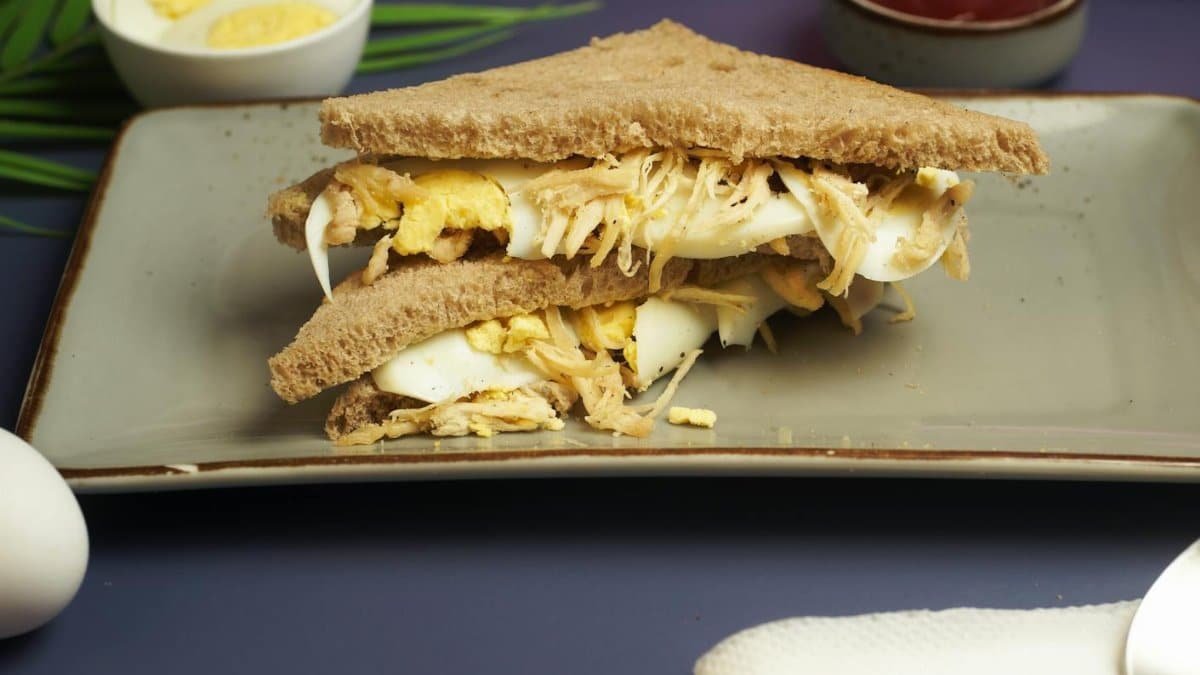
Picture a classic Chick-fil-A sandwich, but swap chicken for breaded cauliflower. The new item keeps the signature pickles and toasted bun. Crispy breading gives it that familiar crunch. It’s designed to mimic the texture fans crave. No details on sauce variations yet, but the focus stays on cauliflower’s hearty bite. This plant-based twist aims to deliver satisfaction without meat, appealing to vegetarians and flexitarians alike.
Loyal Fans React

Die-hard customers feel the sting. Chick-fil-A’s base reveres its original chicken sandwich as untouchable. Posts flood online forums: “Chick-fil-A without chicken? Pass.” Others defend the test, noting the chain’s history of innovation. The debate rages in comment sections and group chats. Select market diners report mixed early bites—some hooked, others loyal to tradition. This divide tests the brand’s grip on its core audience.
Heresy Claims Emerge

For some, it’s outright blasphemy. Chick-fil-A built its empire on chicken, with roots in Southern comfort food. Introducing chick fil a cauliflower feels like a departure from that DNA. Critics argue it dilutes the brand’s identity. “Why mess with perfection?” one fan quipped online. The “heresy” label sticks because the chain rarely strays from poultry. This test challenges purists who see plant-based as a fad, not a fit.
Healthy Angle Gains Traction

Proponents highlight health perks. Cauliflower packs vitamins, fiber, and fewer calories than fried chicken. In 2026, with U.S. obesity rates hovering high, plant-based options resonate. The sandwich could draw health-conscious eaters without sacrificing taste. Supporters point to rising veggie demand—cauliflower rice sales surged in recent years, per federal data. For more on vegetable trends, see the USDA’s vegetable profile. This positions Chick-fil-A as responsive to wellness shifts.
Select Markets in Focus
The test rolls out in carefully chosen spots, likely urban areas with diverse diets. No full list released, but expect feedback from high-traffic locations. These markets serve as proving grounds—success here could expand nationwide. Chick-fil-A uses such pilots to refine menus based on sales and surveys. Early signs show buzz, with lines forming for first tastes. The strategy minimizes risk while maximizing data.
Plant-Based Push Accelerates

Chick-fil-A joins a fast-food wave toward plants. Competitors like Burger King and Wendy’s already offer meatless burgers. Cauliflower fits the trend—versatile, neutral flavor, easy to bread. The chain’s move addresses vegan and vegetarian growth, now over 10% of Americans per surveys. It also nods to sustainability; cauliflower uses less water than beef. Broader context from the CDC’s healthy eating resources underscores veggie benefits. Chick-fil-A’s test could redefine its menu.
Debate Fuels Brand Buzz
The split reactions boost visibility. Heresy talk keeps chicken loyalists engaged; health hype attracts new crowds. Social media metrics spike, with #ChickFilACauliflower trending. This organic debate drives foot traffic to test sites. Chick-fil-A thrives on conversation—polite service meets passionate fans. The cauliflower experiment spotlights how fast food evolves without alienating bases.
What’s Next for the Chain?

Results from select markets will dictate permanence. Strong sales might greenlight wider availability. Chick-fil-A monitors every metric, from repeat buys to online sentiment. If chick fil a cauliflower wins converts, expect tweaks or pairings. Failure prompts a quiet exit. Either way, the test reveals fan priorities in 2026’s health-focused landscape. The chain stays agile, balancing tradition with trends.
Broader Fast-Food Implications

This trial ripples outward. Other chains watch closely—will cauliflower conquer more menus? Plant-based now drives innovation, with U.S. sales climbing steadily. Chick-fil-A’s clout makes its moves influential. Fans’ divide mirrors national tensions: meat lovers versus veggie advocates. The breaded Cauliflower Sandwich tests if plant power can sway even chicken kings. Stay tuned as data rolls in from those select markets.