

Spring in Chicago brings more than just blooming flowers and milder temperatures. It delivers a fresh wave of life at the citys zoos filling the air with a palpable sense of excitement and hope. This year the chicago zoo baby animals have become a focal point for residents seeking connection and joy in the natural world. At Lincoln Park Zoo and Brookfield Zoo several species have welcomed offspring that captivate all who see them. These births are not mere biological events. They touch something deeper within us. They remind us of the sacred trust we hold to protect our planets biodiversity. In observing these young animals people often experience a profound sense of awe that can only be described as spiritual. The vulnerability and strength displayed in their first days on earth inspire reflection on our own place in the grand scheme of life. In a busy urban landscape these moments of pure renewal invite us to slow down and consider the quiet miracles unfolding all around.
New Arrivals At Lincoln Park Zoo
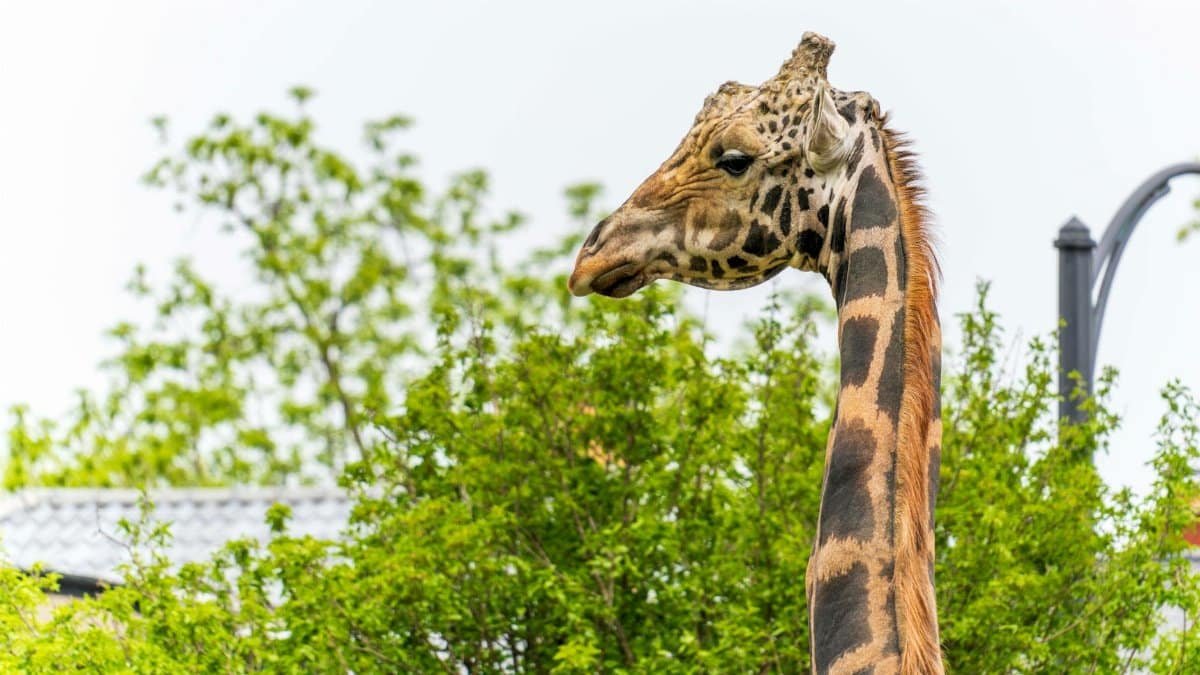
Lincoln Park Zoo has greeted several notable births this season including a healthy giraffe calf that stands tall and steady on his long legs just hours after entering the world. Named Amadi the youngster spends his days close to his mother exploring the grassy yard with wide eyed wonder. Keepers describe his progress as steady and encouraging noting how quickly he has mastered basic movements. This birth adds to the zoos ongoing efforts to maintain genetic diversity among captive giraffes. For many who remember earlier visits to the same grounds the sight stirs powerful memories of continuity and the passage of time. The entire scene feels like a living testament to natures ability to persist even in the middle of a major metropolitan area.
Beyond the giraffe the zoo has also celebrated the hatching of numerous penguin chicks whose downy coats and awkward waddles have proven irresistible to visitors. Staff monitor every feeding and swim lesson with careful attention ensuring each chick receives the support needed to flourish. These successes reflect years of refined husbandry practices developed through persistent trial and observation.
Brookfield Zoo Welcomes Its Own Young
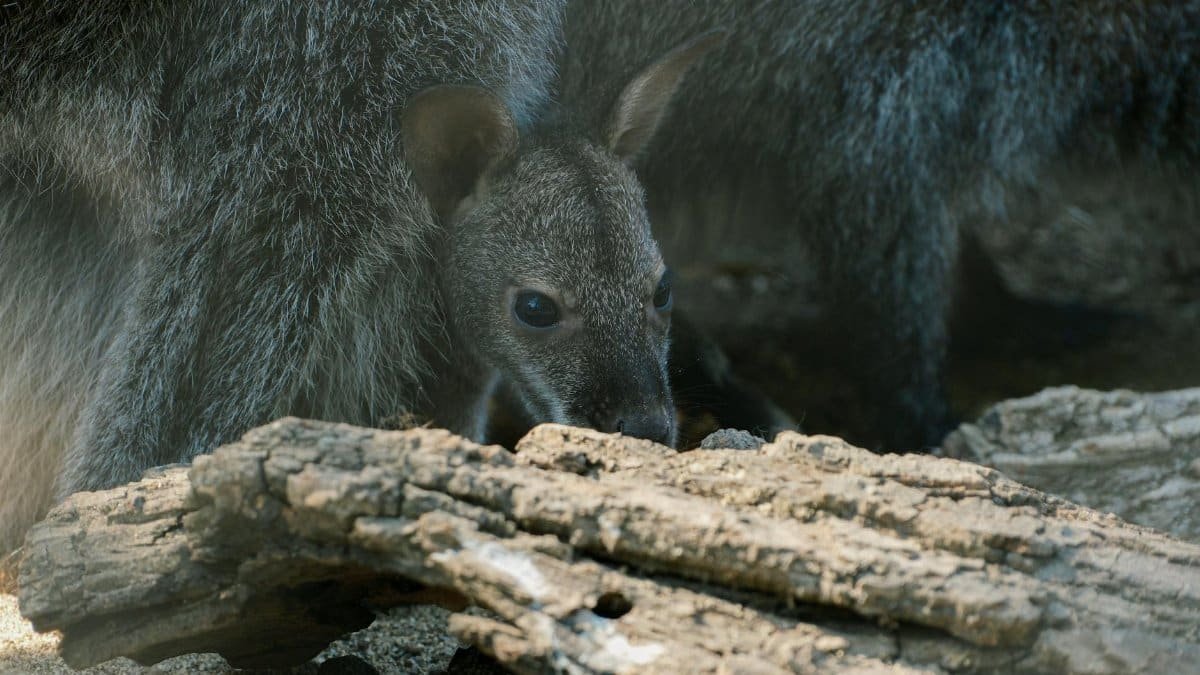
At Brookfield Zoo the arrival of a hippopotamus calf has created a stir among animal enthusiasts across the region. Born underwater in the early morning hours the calf quickly surfaced to breathe and bond with its mother in full view of the underwater windows. Their graceful movements together offer a serene spectacle that holds visitors in quiet fascination for long stretches of time. Hippos face considerable pressure in their native habitats and each healthy birth contributes to broader awareness of their plight. The zoo has shared regular updates allowing the public to follow the calfs growth from a distance while respecting the need for mother and offspring to develop their natural rhythms undisturbed.
Smaller arrivals including a litter of red panda cubs have equally captured attention. The cubs tiny faces and ringed tails peek out from nesting boxes as they gain confidence in their surroundings. Their gentle demeanor provides a calming presence that many find restorative after hectic workweeks.
The Story Behind The Snow Leopard Birth
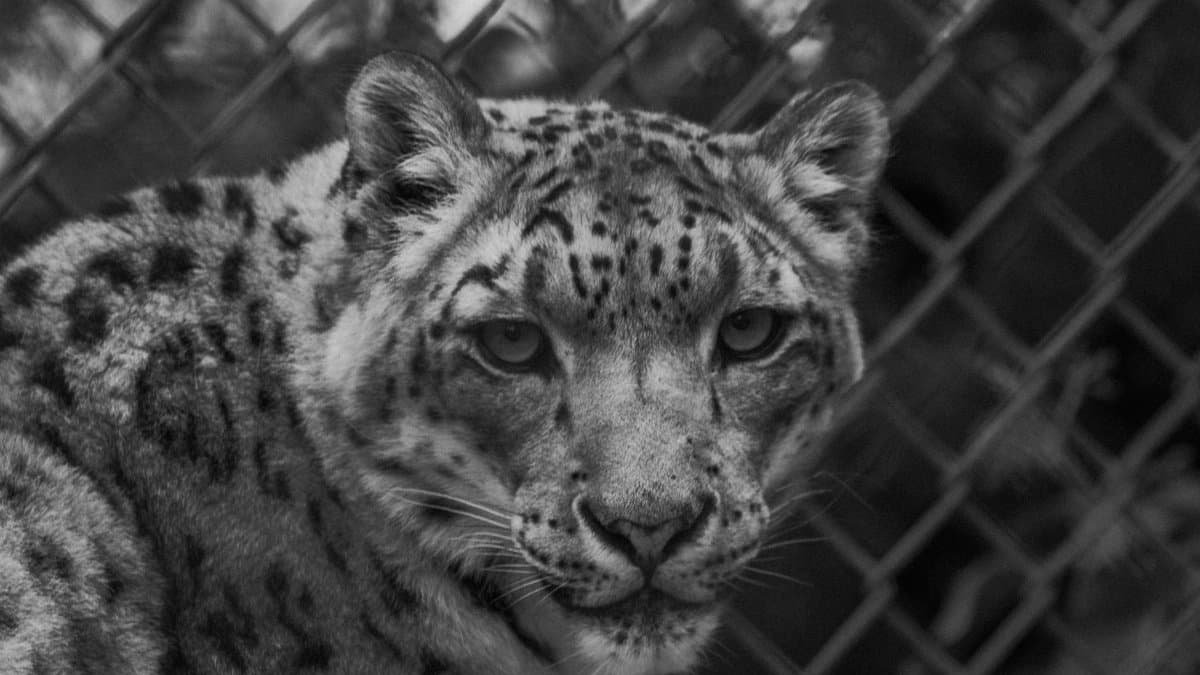
One of the most significant additions to the chicago zoo baby animals this spring is a snow leopard cub born at Brookfield Zoo. These elusive cats remain endangered in their native mountain ranges yet breeding programs have achieved steady progress through meticulous planning and international collaboration. The mother selected a quiet corner of her habitat for the birth and keepers maintained a respectful distance while tracking her condition through remote cameras. When the cub finally appeared healthy and active the news spread rapidly among conservation circles. Now nearly three months old the youngster displays the agility and playfulness characteristic of the species tumbling across rocky outcrops with remarkable sure footedness. Each milestone offers encouragement for similar programs aimed at one day returning animals to the wild.
Conservation Success And Its Deeper Meaning

These births represent more than crowd pleasing moments. They form part of a global network of conservation initiatives that track genetics manage habitats and educate the public about pressing environmental challenges. According to data from the Association of Zoos and Aquariums cooperative breeding efforts have helped stabilize populations of several at risk species. The presence of healthy young animals demonstrates that targeted intervention can yield tangible results when sustained over decades. Yet the deeper meaning emerges in the way these creatures invite viewers to confront their own relationship with the living world. In their dependence and resilience we see echoes of universal themes of care responsibility and hope that transcend any single ideology or belief system.
Finding Spirituality In The Animal Kingdom
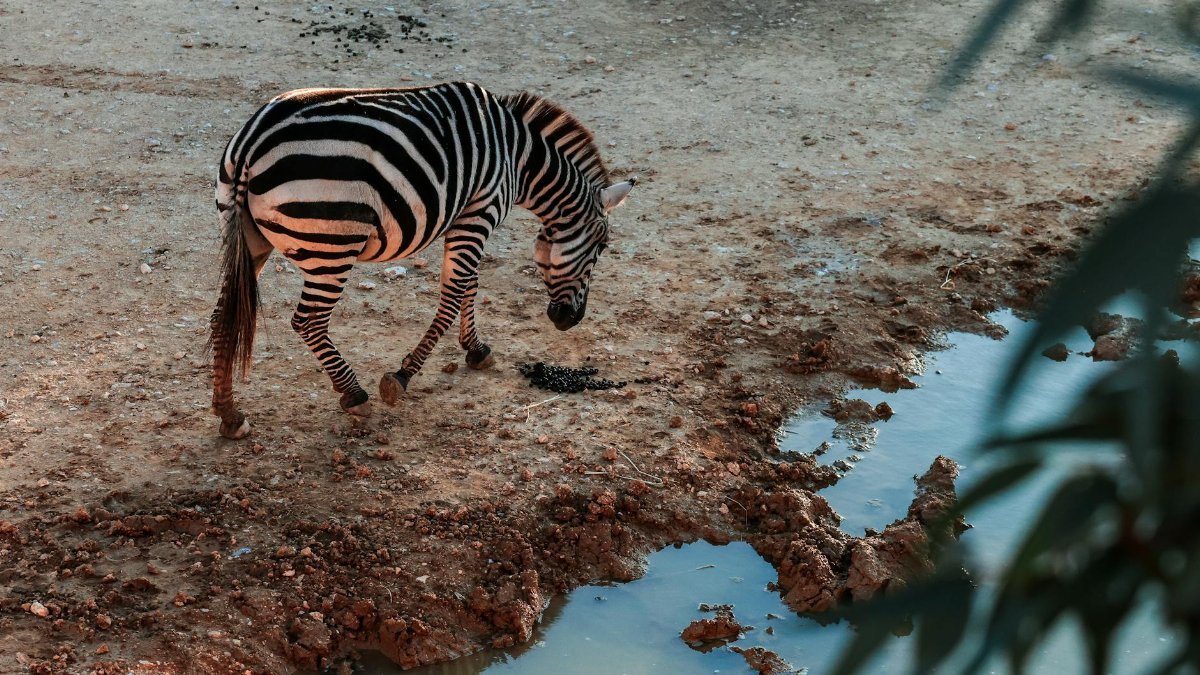
Watching a baby gorilla press against its mothers chest or a flamingo chick stumble toward its first meal often prompts an unexpected emotional response even among those who do not consider themselves religious. There exists a recognizable sense of the sacred in these interactions a feeling that something larger than ourselves is at work. Many middle aged visitors describe the experience as a form of renewal that eases anxiety and restores perspective. The predictable cycles of birth growth and independence mirror patterns found across spiritual traditions worldwide. In an age of digital overload the simple act of standing before an enclosure and witnessing unscripted life can function as a form of meditation. The chicago zoo baby animals therefore serve not only as ambassadors for their species but also as gentle teachers guiding us toward greater mindfulness and gratitude.
Behind The Scenes With Dedicated Keepers
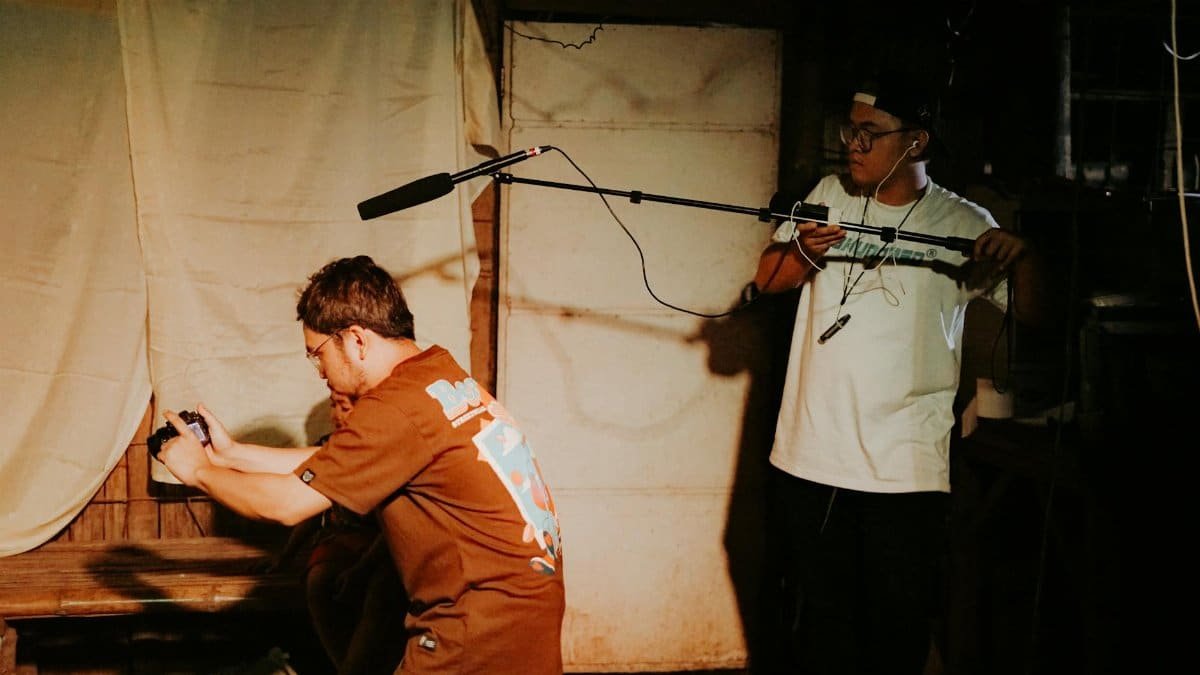
The public sees only the endearing outcomes while the real work happens in countless unseen hours of preparation and response. Keepers train for years to recognize subtle behavioral cues that signal impending birth. They adjust diets monitor temperatures and sometimes intervene with medical support when complications arise. Their commitment reflects a quiet form of devotion rooted in respect for the animals entrusted to their care. One senior keeper at Lincoln Park described the emotional weight of each successful delivery as a reminder of why the profession remains so compelling despite its demands. These men and women function as both scientists and stewards blending data driven decisions with an almost intuitive understanding of the creatures they serve.
The Enduring Appeal Of Chicago Zoo Baby Animals
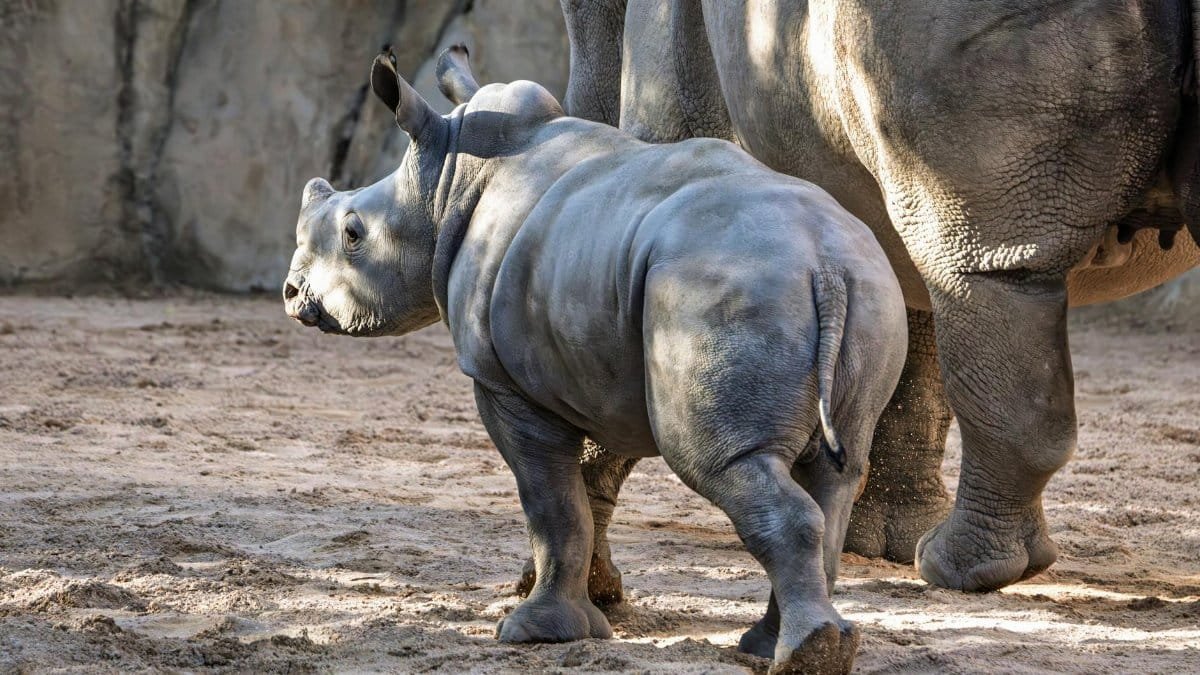
Year after year the chicago zoo baby animals draw families back to the same pathways and exhibits. There is something universally compelling about witnessing a new generation take its place in the world. Parents lift small children onto their shoulders for better views while grandparents share stories from their own youthful trips to the same locations. The appeal crosses all boundaries of background or income creating shared spaces of wonder within a diverse city. Photographs and videos circulate widely on social platforms extending the reach of these moments far beyond the zoo gates. Yet the most powerful encounters remain those that occur in person when time seems to slow and ordinary concerns recede.
Planning Your Visit This Spring
Those hoping to see the newest residents should check each zoos website for current schedules and availability. Lincoln Park remains free to the public while Brookfield offers timed tickets for certain exhibits to manage crowds. Early mornings tend to provide the best viewing opportunities before larger groups arrive. Wear comfortable shoes because the grounds invite leisurely wandering from one habitat to the next. Educational presentations throughout the day offer deeper context about the animals and the threats they face. Pack a lunch and claim a bench beneath the trees allowing ample time for unhurried observation rather than a rushed checklist of sights.
The Effect On Chicago Families And Communities

The arrival of these young animals ripples outward through families and neighborhoods in ways both immediate and lasting. Local schools incorporate zoo visits into science curricula giving students direct exposure to concepts of stewardship and ecology. Community groups organize outings for seniors who find comfort in the peaceful atmosphere and the chance to connect with younger generations. The collective excitement generates conversations at dinner tables and bus stops fostering a shared civic pride in the health of these institutions. In a time when many urban dwellers feel increasingly isolated from the natural world the zoos provide accessible entry points that nourish both curiosity and compassion.
What The Future Holds For These Species

While the current crop of infants inspires celebration the larger picture requires sustained attention and resources. Climate change habitat loss and human encroachment continue to threaten many of the species represented at the zoos. The babies born this spring will eventually mature and participate in breeding programs of their own if all proceeds according to plan. Their offspring may one day contribute to reintroduction efforts or simply continue to educate millions of visitors about the urgent need for protection. The cycle repeats with each generation offering fresh chances to adjust our course and deepen our commitment. The story remains unfinished yet these small lives suggest that optimism grounded in action can still prevail.
Lessons We Can Learn From These Births
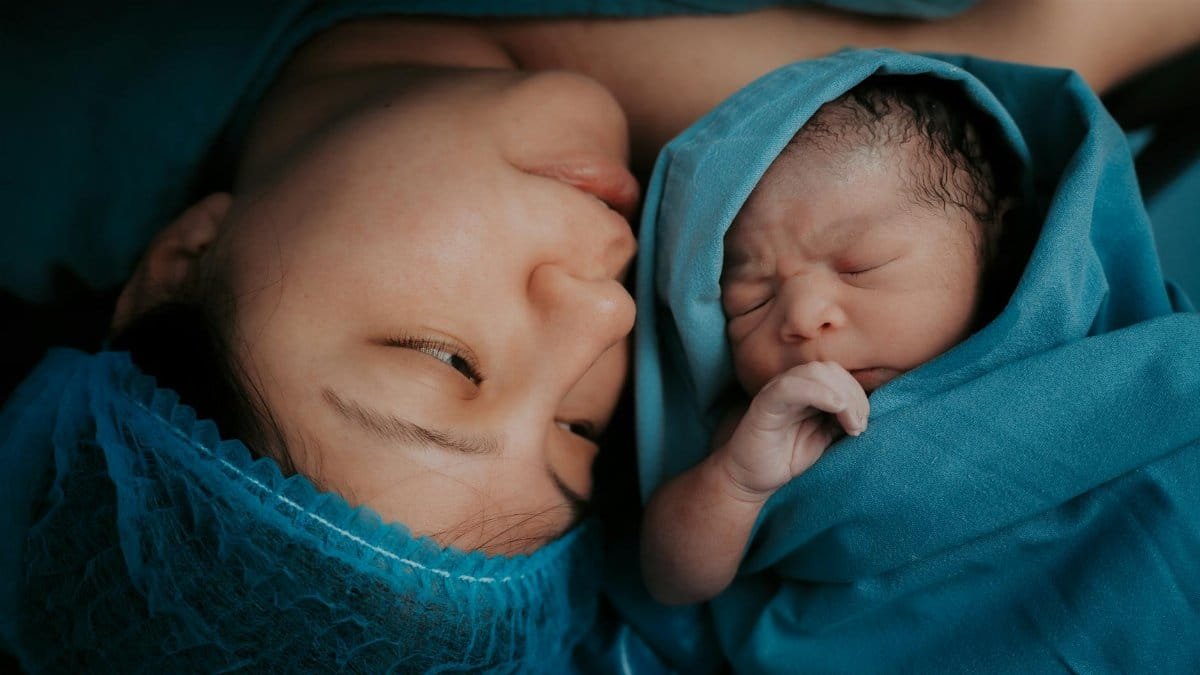
Ultimately the chicago zoo baby animals deliver lessons that extend well beyond biology. They teach patience by demonstrating how slowly trust develops. They model resilience through their rapid adaptation to new environments. Most importantly they invite us to embrace wonder as a daily practice rather than an occasional indulgence. In their wide innocent eyes we catch glimpses of a world that still contains room for amazement and tenderness. As another Chicago spring unfolds these tiny ambassadors stand as living reminders that care for other species inevitably circles back to care for ourselves and the shared home we inhabit. Their presence enriches the city in ways both measurable and profoundly immeasurable.