
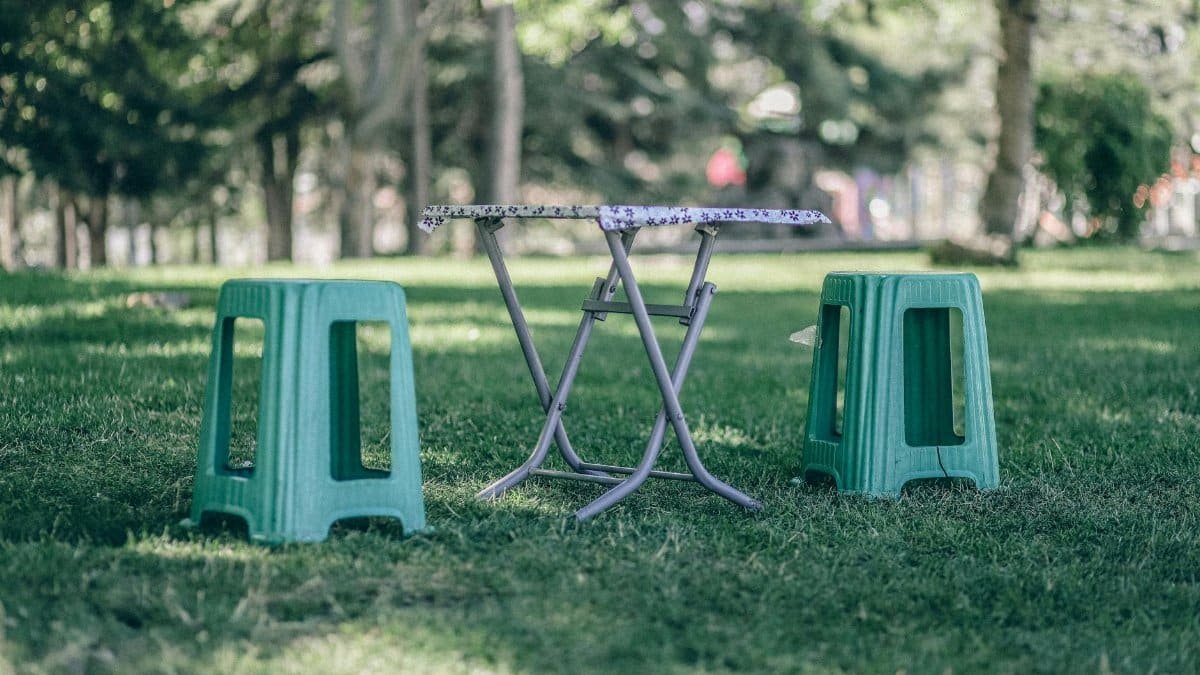
Move the chair, risk your tires. Chicago’s infamous “dibs” tradition has roared back to life after recent snowfalls, pitting neighbors against each other in a battle for shoveled parking spots. Residents are dragging out lawn chairs, old tables, and sawhorses to stake their claims on streets cleared by hand after hours of grueling labor. The practice, long controversial, underscores the city’s harsh winter parking wars. As of February 17, 2026, signs of escalation are everywhere, with warnings scrawled on notes or shouted: touch the placeholder at your peril.
The Resurgence of Chicago Dibs

Chicago dibs never fully dies; it hibernates until the next big snow. This winter, heavy accumulations have revived the custom with vengeance. Neighborhoods from the North Side to the South Side buzz with activity as plows push snow into curbside mountains. Residents grab shovels, committing hours to unearth prime spots. Once cleared, they plant lawn furniture as sentinels. The message is clear: this space is mine, earned by sweat. The tradition’s return highlights ongoing tensions in a city where street parking remains a precious commodity.
Lawn Furniture Becomes Battlefield Gear

No high-tech gadgets here—just everyday yard items turned territorial markers. Lawn chairs top the list, their faded plastic frames a familiar sight post-blizzard. Some use picnic tables, tires, or even Christmas trees, but chairs dominate for their portability and visibility. These placeholders signal immense effort invested. Spot one, and you know someone battled drifts for hours. Moving it invites confrontation. The simplicity fuels the tradition’s endurance, turning ordinary objects into symbols of possession in Chicago’s dense urban grid.
The Grueling Shovel Work Behind Claims
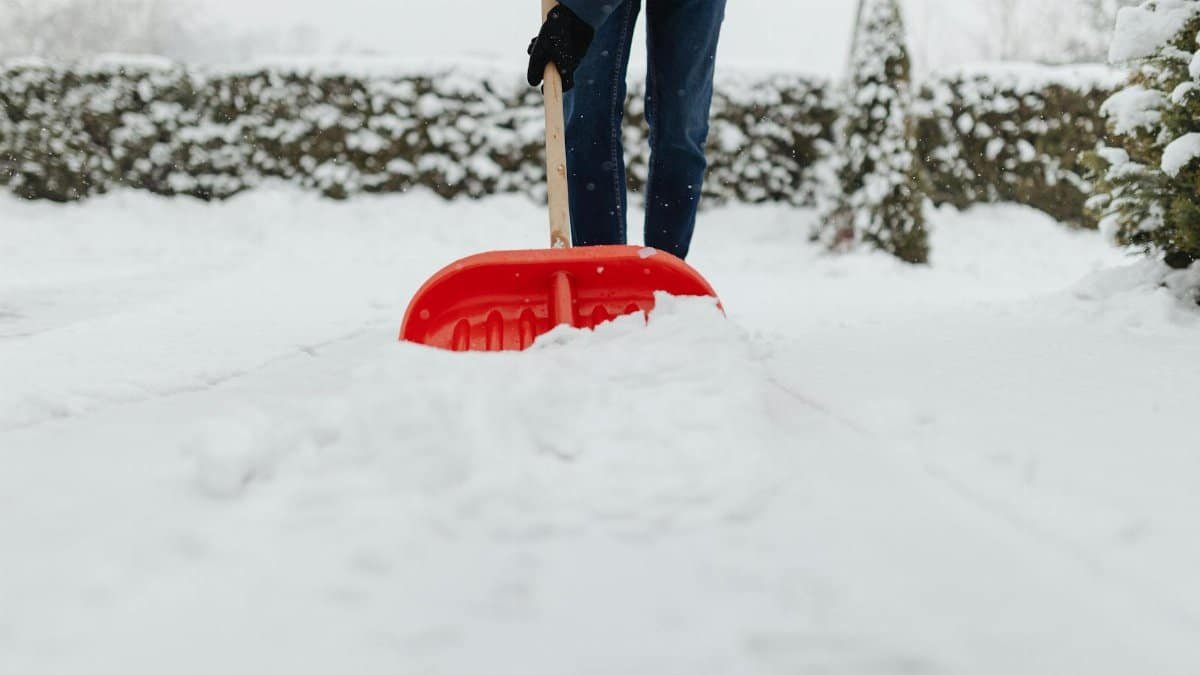
Earning a dibs spot demands real toil. Picture endless scoops of wet, heavy snow, flung aside amid freezing winds. Residents report digging for two, three, or more hours per space. It’s not casual labor; it’s a marathon that leaves backs sore and hands numb. Plows exacerbate the problem, redepositing snow right back. Those who persevere view their cleared patch as rightfully theirs. This labor justifies the furniture vigil in their eyes, creating a code of honor among shovelers. Skip the work, and you forfeit any moral claim.
Threats Escalate: Tires on the Line
The slogan says it all: “Move the chair and lose your tires.” Warnings aren’t idle talk. Scratched notes on chairs or vehicles proclaim vandalism awaits intruders. Keyed cars and slashed tires have marked past dibs seasons, and 2026 shows no softening. The threat enforces the unwritten rule, deterring opportunists who cruise for easy parks. While the city frowns on violence, enforcement lags in overwhelmed winter months. This edge keeps dibs alive, blending community norm with raw intimidation. For more on Chicago’s parking enforcement challenges, see the City of Chicago Department of Transportation parking page.
Why Dibs Sparks Endless Debate

Controversy swirls around Chicago dibs like snow in a gust. Supporters call it fair reward for public service—clearing streets benefits all. Critics label it selfish vigilantism, blocking access in a city of 2.7 million. Newcomers clash with veterans, sparking arguments or worse. Social media amplifies divides, with videos of standoffs going viral. The tradition exposes deeper divides: who owns public space? In 2026, as climate shifts bring erratic storms, the debate intensifies. Yet dibs persists, a quirky hallmark of Windy City resilience.
Neighborhoods Where Dibs Reigns Supreme

Certain areas amplify the practice. Dense wards with narrow streets and low car ownership per household see the fiercest guarding. Bungalows in Southwest Side enclaves or walk-ups in Lakeview become fortresses of chairs. Here, dibs isn’t quirk—it’s survival. Families coordinate shifts to watch spots during errands. The communal aspect binds neighbors, even as it breeds suspicion. Post-shovel, the furniture lineup transforms blocks into claimed territory, a visual map of winter’s toll.
Historical Roots of the Custom

Dibs traces back decades, cemented by brutal winters and limited parking. It’s uniquely Chicagoan, though similar habits pop up in other snowy cities. The core remains: labor earns right. Lawn chairs emerged as ideal markers—cheap, stackable, recognizable. Over years, it’s evolved into cultural lore, referenced in local media and comedy. This 2026 revival echoes past peaks after record snows, proving the tradition’s deep roots. For historical context on the practice, check Block Club Chicago’s explainer on dibs origins.
Potential Cracks in the Tradition
Not everyone plays by dibs rules. Delivery drivers, visitors, and the defiant ignore chairs, towing them aside. Retaliation follows, perpetuating cycles. City officials periodically crack down, issuing tickets for obstructions, but focus stays on plowing. Some neighborhoods experiment with communal clearing, sharing spots sans markers. Still, individualism triumphs in most blocks. As February 2026 wears on, melting snow could ease pressures—or spark final clashes. Dibs endures, a testament to Chicagoans’ fierce attachment to their turf.
Lessons from Chicago’s Parking Wars

Chicago dibs reveals broader urban struggles. Limited infrastructure meets growing vehicle reliance, amplified by weather extremes. It prompts questions: better garages? Car-free zones? For now, shovels and chairs rule. The tradition, for all its flaws, fosters a gritty camaraderie. Move a chair, face the fury—but respect the labor, and harmony holds. In 2026, as snow lingers, dibs reminds everyone: in Chicago, parking is personal.