

A Suffolk University poll released this week shows that Chicago residents lean toward supporting a new stadium project for their beloved football franchise in the suburbs. Specifically the data points to favor for what is now referred to as Arlington Heights Bears. This development has sparked conversations across the city about urban development and the role of sports in community identity. Residents appear ready to embrace change even as questions linger about costs and accessibility.
Survey Methodology and Sample Size

The poll reached over one thousand adults throughout Cook County using both landline and cellular contacts. Researchers applied standard weighting techniques to align results with census figures on age income and education levels. Margin of error stood at roughly three percentage points which allows reasonable confidence in the overall direction of opinion.
Key Findings from the Data

Fifty five percent of respondents expressed support for the proposed move while thirty seven percent voiced opposition. The remainder remained undecided. Among those who favored the plan many cited improved parking and modern amenities as primary reasons. Opposition centered on concerns about traffic and loss of an iconic downtown presence.
Comparison with Previous Polls

Earlier surveys conducted two years ago showed far more division with support hovering near forty percent. The shift upward suggests growing comfort with suburban relocation as details of the Arlington Heights Bears project have become clearer through public meetings and media coverage.
Impact on Local Economy

Analysts project thousands of construction jobs during the building phase followed by ongoing employment in operations and hospitality. Property values near the site could rise though some business owners in the current stadium neighborhood worry about reduced foot traffic on game days.
Community Reactions in Chicago
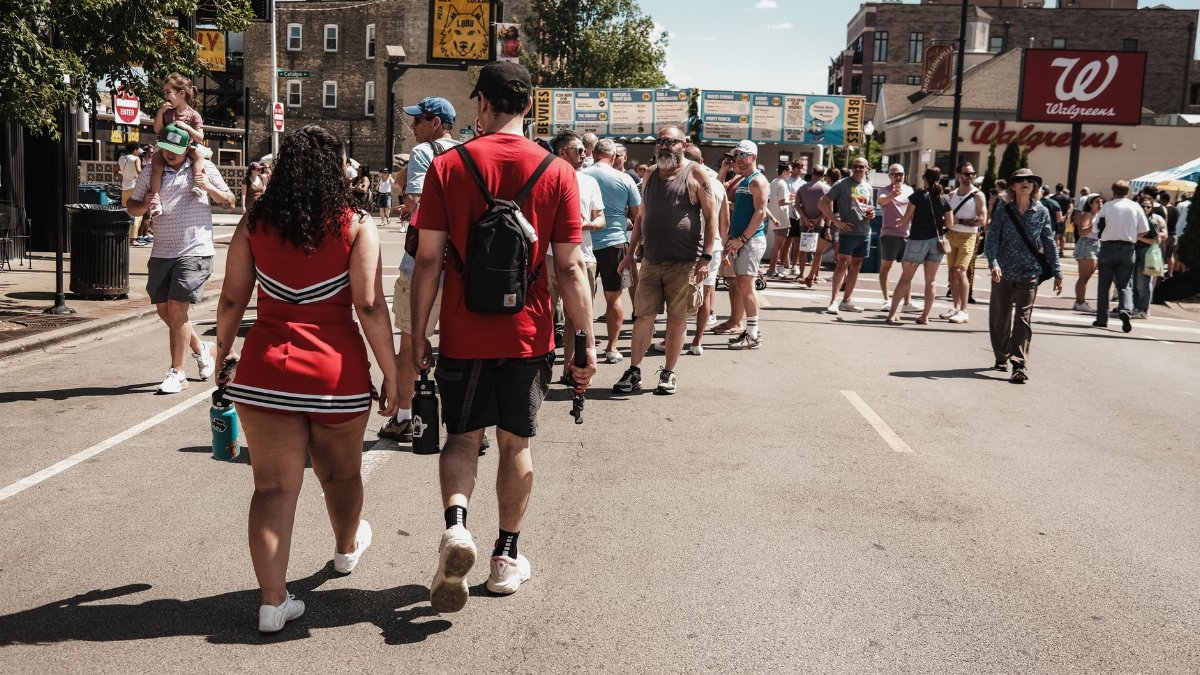
Neighborhood associations have begun hosting forums to discuss transportation links that would connect the city core to the new location. Younger families tend to view the change as an opportunity for expanded green space while longtime season ticket holders express mixed feelings about tradition.
Potential Challenges for the Project

Financing remains a delicate matter with public funds under scrutiny from elected officials. Environmental reviews must address drainage and traffic studies before permits advance. Coordination between municipal county and state agencies will determine whether timelines stay on track.
Future Prospects for the Team

Leadership of the franchise has indicated willingness to invest private capital alongside any approved public contribution. A successful transition could position Arlington Heights Bears as a model for other clubs considering similar moves away from aging urban facilities.
Broader Implications for Urban Planning

The outcome may influence how other Midwest cities approach stadium deals in coming years. Planners note that integrated transit options and mixed use development around the venue could set new standards for responsible growth rather than isolated sports complexes.