
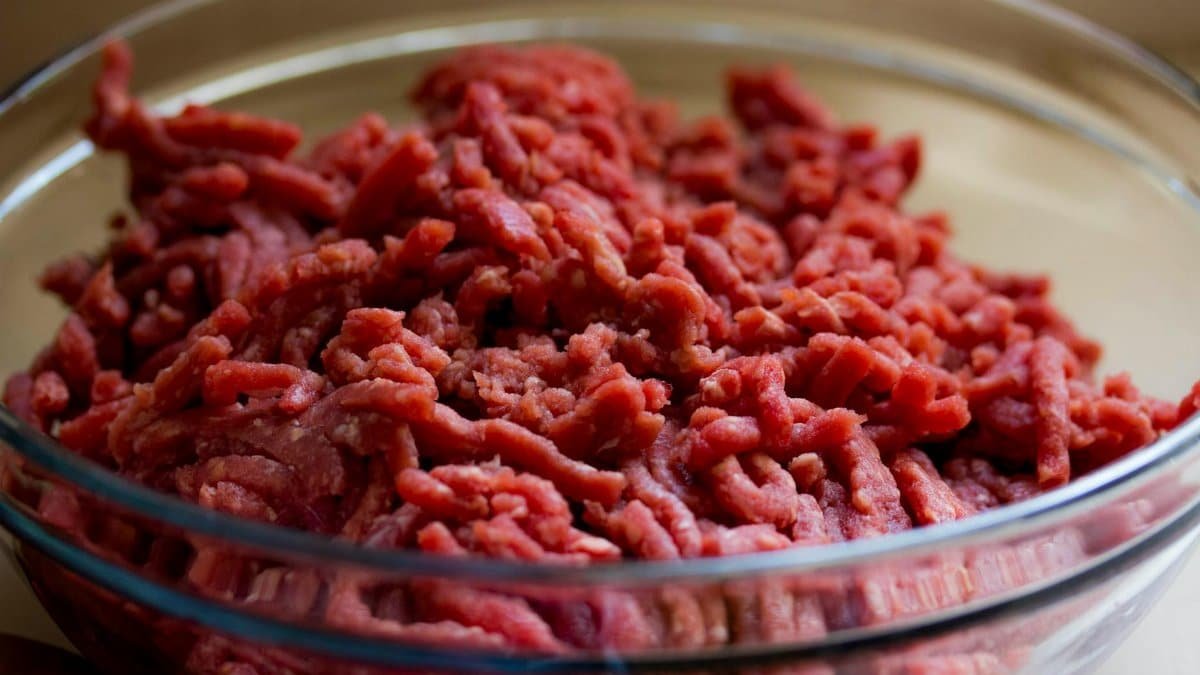
Over 22,000 pounds of ground beef recalled. That’s the stark reality hitting freezers across three Western states today. In a swift cs beef recall announced February 11, 2026, authorities urge consumers: Do not eat it. Sold in California, Idaho, and Oregon, this contaminated product carries a dangerous strain of E. coli, sparking immediate action to protect public health. The recall targets ground beef linked to potential illness outbreaks, emphasizing the risks of bacterial contamination in meat supply chains.
Recall Hits Three Western States

California, Idaho, and Oregon residents, check your freezers now. The cs beef recall covers over 22,000 pounds of ground beef distributed through local outlets. Authorities issued the order on February 11, 2026, classifying it as a high-priority action due to E. coli risks. No illnesses reported yet, but the contamination threat demands urgency. This multi-state scope highlights vulnerabilities in regional meat distribution networks.
Scale of the Contamination
More than 22,000 pounds. That’s the volume pulled from shelves and stores. Ground beef, a staple in American kitchens, forms the core of this recall. The dangerous E. coli strain detected poses severe health threats, prompting a full stop on consumption. Officials stress the sheer quantity amplifies the potential impact, urging widespread consumer vigilance in 2026’s tightening food safety landscape.
Dangerous E. coli Strain Explained
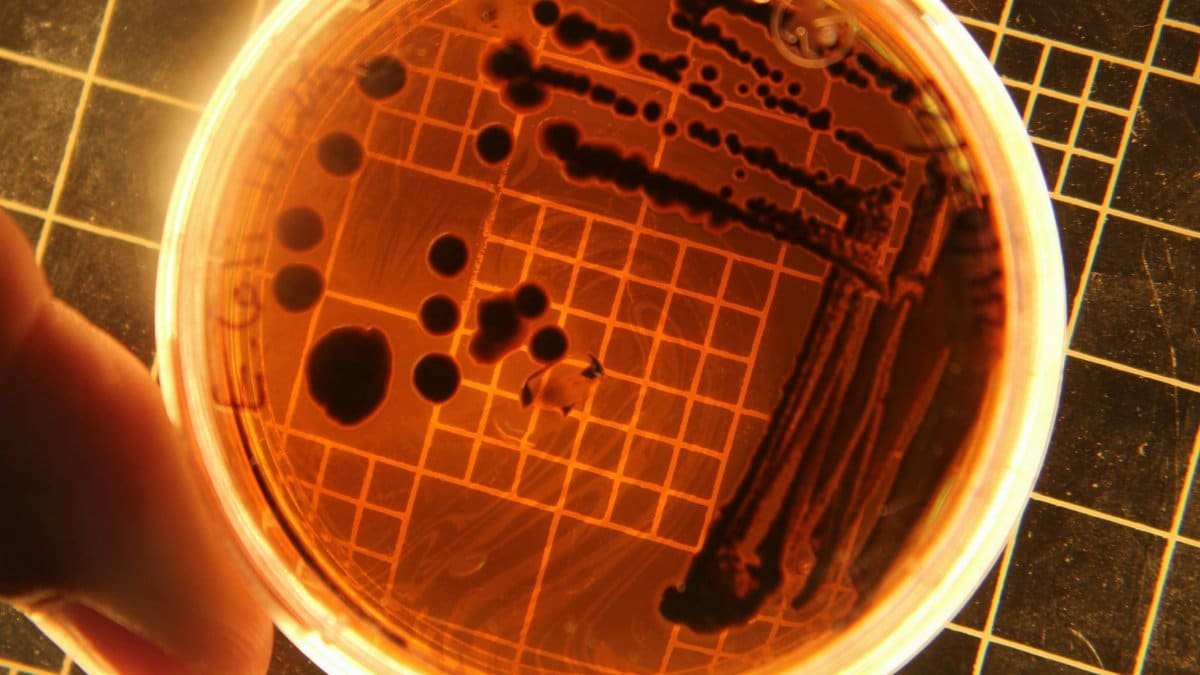
E. coli isn’t just any bacteria— this strain packs a punch. Known for causing serious foodborne illness, it thrives in undercooked ground beef. Symptoms strike fast: abdominal cramps, bloody diarrhea, vomiting. Vulnerable groups like children, elderly, and immunocompromised face kidney failure risks. The CDC E. coli page details how such strains spread through contaminated meat, underscoring why “do not eat it” rings loud in this cs beef recall.
Distribution Details Emerge
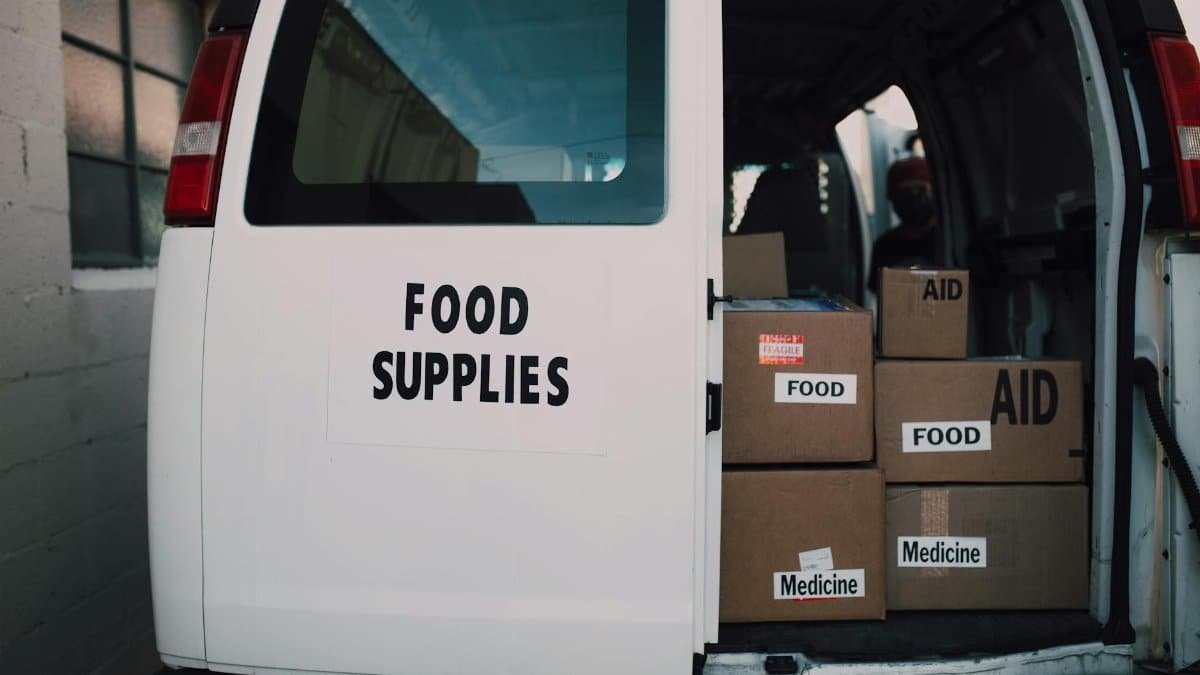
Sold across California, Idaho, and Oregon. Ground beef reached supermarkets, grocers, and possibly direct-to-consumer channels in these states. The recall targets products available right up to February 11, 2026. Consumers who bought recently face the highest exposure. Traceability efforts focus on these areas, aiming to locate every pound before harm occurs.
Immediate Consumer Actions Required

Do not eat it. Throw it out or return it. That’s the direct order from regulators. Check labels, dates, and packaging for matches to recalled lots. Cooking won’t kill this E. coli strain reliably in ground beef. Wash hands, surfaces, and utensils thoroughly after handling. This cs beef recall demands proactive steps to avoid illness.
Health Risks in Focus

The dangerous strain elevates this beyond routine recalls. E. coli O145-like pathogens can lead to hemolytic uremic syndrome, a life-threatening condition. Early signs mimic stomach flu but worsen quickly. In 2026, with rising scrutiny on meat safety, this incident spotlights ongoing challenges. Monitor for fever over 102°F alongside diarrhea—seek medical help immediately.
Regulatory Response Accelerates
Today’s recall on February 11, 2026, shows swift federal and state coordination. The USDA’s Food Safety and Inspection Service leads, issuing public alerts. Over 22,000 pounds removed prevents wider spread. Past patterns inform this response, prioritizing ground beef as a high-risk vector. Full investigations into sourcing continue.
Why Ground Beef Carries Extra Risk
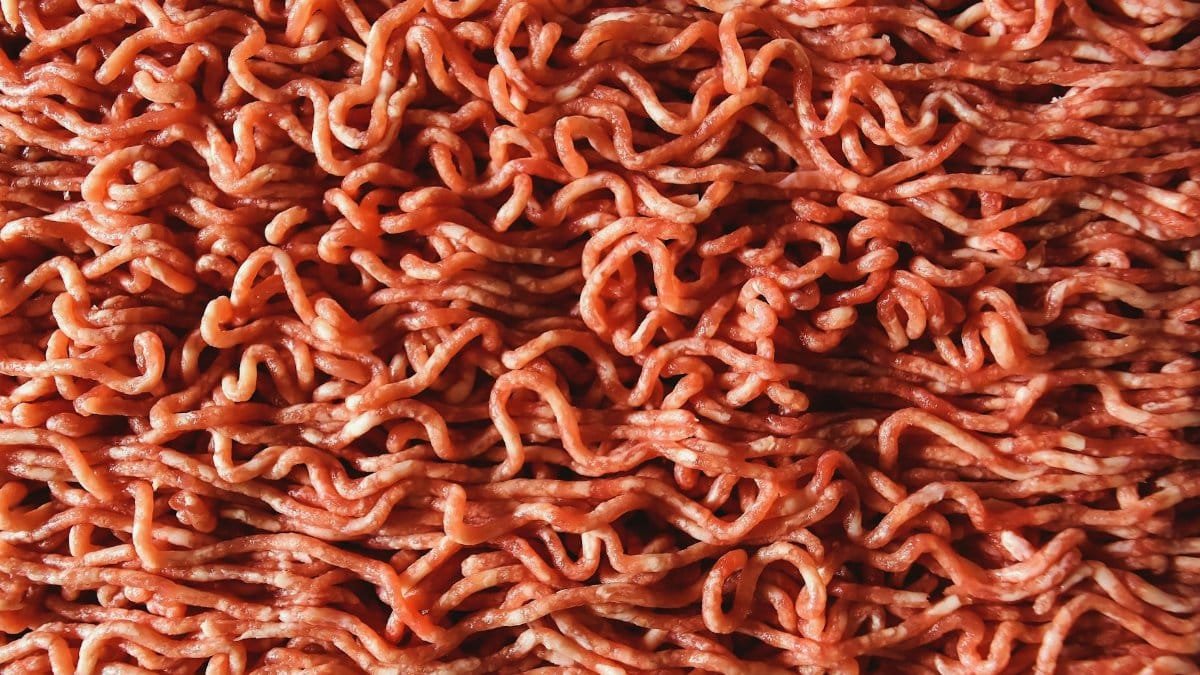
Ground beef mixes meat from multiple animals, amplifying contamination odds. E. coli hides inside, surviving until proper cooking—160°F internal temperature minimum. This cs beef recall reinforces that rule. Distribution to California, Idaho, and Oregon exposed thousands. Prevention starts with verified safe handling at every stage.
Broader Implications for 2026 Food Safety
In 2026, recalls like this cs beef recall test supply chains. Over 22,000 pounds off the market protects communities, but it signals persistent E. coli threats. Western states bear the brunt here, with California’s large population at stake. Enhanced testing and tracing aim to cut future incidents. Stay informed via official channels.
Where to Get Recall Updates

Track developments through trusted sources. The USDA FSIS Recalls page lists active alerts, including this ground beef pull. State health departments in California, Idaho, and Oregon provide local guidance. Report suspicions to hotlines. This recall, dated February 11, 2026, evolves—check frequently.
Consumers in affected areas, act fast. Over 22,000 pounds recalled means potential widespread exposure. E. coli dangers demand compliance: Do not eat it. Food safety remains paramount amid 2026’s supply pressures.