

In the bustling neighborhoods of Charlotte, North Carolina, a quiet revolution is unfolding amid the city’s green spaces. Walk through parks like Freedom Park or Romare Bearden, and you might spot groups gathered not for picnics or yoga, but for sessions delving into emotional sobriety, charlotte wellness, stress relief. This isn’t just a fleeting wellness fad; it’s a growing movement where locals are prioritizing mental resilience over quick fixes. As urban stress mounts in 2025—fueled by everything from economic pressures to digital overload—Charlotte’s parks department has launched a series of free events aimed at fostering emotional sobriety. These gatherings blend mindfulness practices with community discussions, drawing hundreds who seek tools for steadying their inner lives. What began as pilot programs last year has expanded, reflecting a broader U.S. trend toward holistic mental health strategies that emphasize long-term emotional balance rather than momentary calm.
The Roots of Emotional Sobriety in Modern Wellness

Emotional sobriety extends beyond abstaining from substances; it’s about maintaining clarity and stability in one’s feelings, even amid life’s chaos. Coined by figures in recovery communities, the term has evolved to encompass anyone navigating stress. In Charlotte, this concept resonates deeply, where the city’s rapid growth—think booming tech jobs and suburban sprawl—has amplified daily pressures. A recent report from the American Psychological Association highlights how urban dwellers face heightened anxiety, with 40% reporting increased stress levels since the pandemic. Charlotte’s events build on this by offering workshops that teach participants to identify emotional triggers, much like spotting storm clouds before rain.
Consider a typical session: Attendees sit in a circle under oak trees, sharing stories of workplace burnout. One woman, a mid-level manager, recounts how constant emails eroded her sense of peace. Through guided exercises, she learns to pause and assess her reactions, a core tenet of emotional sobriety. This isn’t therapy, but a communal space for building resilience. Experts note that such practices can reduce cortisol levels, as evidenced in studies from the National Institutes of Health, which link mindfulness to lower stress hormones.
Yet, tensions arise. Not everyone buys into the idea immediately. Some dismiss it as another self-help buzzword, while others find the vulnerability required daunting. This push-pull mirrors national debates on mental health accessibility, where emotional tools must compete with pharmaceutical solutions.
Charlotte’s Parks as Wellness Hubs

Picture the sun-dappled paths of Mecklenburg County’s park system, now transformed into sanctuaries for mental rejuvenation. The initiative, rolled out in early 2025, includes bi-weekly events featuring breathwork, journaling prompts, and group reflections tailored to emotional sobriety. Organizers drew inspiration from similar programs in cities like Seattle and Austin, adapting them to Charlotte’s Southern charm—think sweet tea breaks amid discussions.
Attendance has surged, with over 500 participants in the first quarter alone. One event at Latta Nature Preserve focused on nature immersion as a stress buffer, where hikers paused to note their emotional states. “It’s like resetting your internal compass,” shared an anonymous attendee in a public online reflection, describing how the practice helped manage family tensions without overwhelm. This aligns with findings from the U.S. Forest Service, which documents how green spaces enhance mood regulation.
The parks’ role extends beyond events. They’re fostering ongoing community ties, with bulletin boards posting tips for daily emotional check-ins. Still, challenges persist: Weather disruptions and varying group dynamics can test the model’s sustainability.
Stress Relief Techniques at the Core
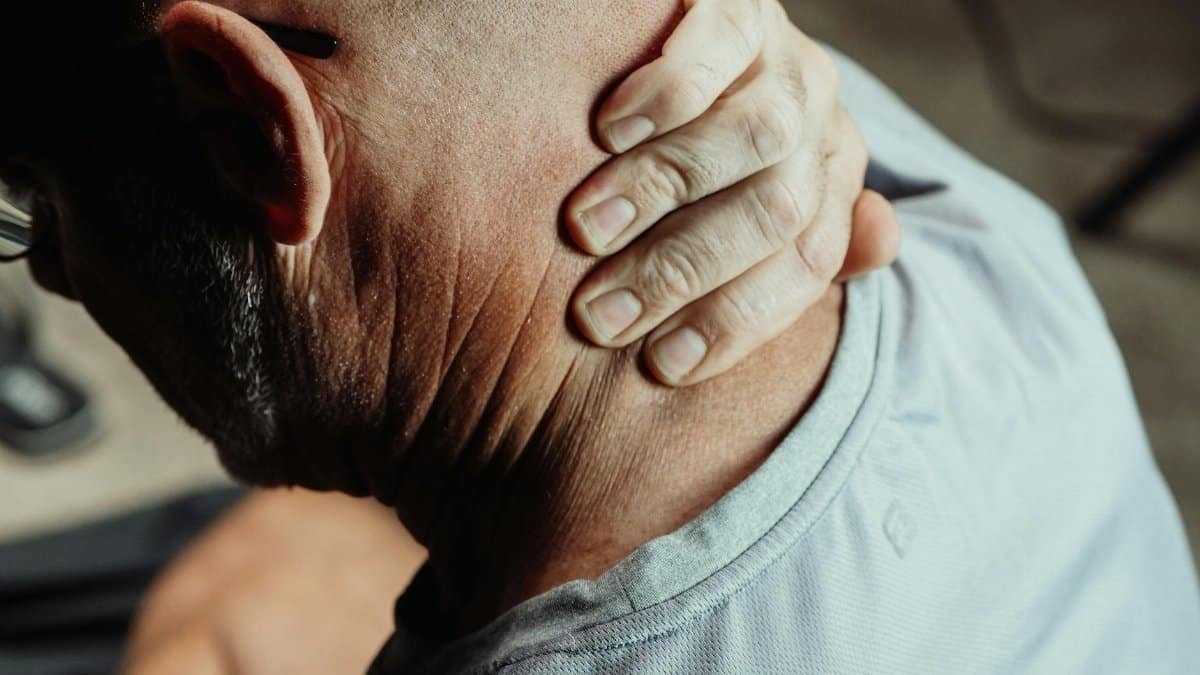
Diving straight into practice, Charlotte’s programs emphasize actionable tools. Start with breath awareness: Instructors guide participants through four-count inhales, holding, then exhaling—a method proven to activate the parasympathetic nervous system. This simple act counters the fight-or-flight response that plagues so many.
Another layer involves cognitive reframing. Attendees learn to question knee-jerk emotions, asking, “Is this reaction serving me?” Such techniques draw from cognitive behavioral therapy principles, supported by research in the American Psychological Association’s guidelines. One snapshot from a recent session: A retiree, grappling with post-career emptiness, reframed his anxiety as a signal for new hobbies, emerging with renewed purpose.
Variety keeps things fresh. Some events incorporate art therapy, where drawing abstract emotions helps externalize stress. Others blend movement, like gentle walks paired with affirmations. The beauty lies in accessibility—no fancy gear required, just willingness.
Building Community Through Shared Vulnerability

What happens when strangers open up in a park setting? Magic, sometimes. Or awkward silences. Charlotte’s events thrive on this mix, creating bonds that extend beyond the grass. Participants often form informal support networks, exchanging contacts for check-ins during tough weeks.
This communal aspect addresses a key U.S. trend: Isolation amid connectivity. With remote work persisting in 2025, many feel adrift. Emotional sobriety events counter this by normalizing vulnerability. Think of it as group therapy lite, where stories flow freely. One anonymized account from a local gathering described a breakthrough: “Admitting my anger wasn’t weakness; it was the first step to letting it go.”
Critics worry about emotional overload in group settings, but facilitators mitigate with ground rules. The result? A web of resilience that strengthens the city’s social fabric.
Challenges and Criticisms of the Approach

Not all feedback glows. Some argue that emotional sobriety overlooks systemic issues, like economic inequality fueling stress in Charlotte’s diverse communities. Why focus on inner calm when housing costs soar? Fair point. Events aim to complement, not replace, broader advocacy, but gaps remain.
Accessibility is another hurdle. Evening sessions suit office workers but exclude shift employees. And while free, transportation barriers persist in a car-dependent city. Organizers are responding with virtual options, yet digital divides linger.
Then there’s the science question. While promising, emotional sobriety lacks the rigorous backing of established therapies. Skeptics reference mixed results in wellness studies, urging caution. Still, anecdotal wins keep the momentum.
Measuring Impact on Mental Health

How do you quantify calmer minds? Charlotte’s parks department tracks via voluntary surveys, reporting 70% of attendees feeling more equipped for stress. Broader metrics echo this: National data from the Centers for Disease Control and Prevention shows mindfulness practices correlating with reduced depression rates.
Personal stories add color. A young professional, juggling parenting and a startup, credits the events with preventing burnout. “It’s not about being emotionless,” she says. “It’s about emotions not running the show.” Such shifts suggest ripple effects, from improved relationships to workplace productivity.
Looking ahead, expansions could include youth programs, addressing teen anxiety spikes noted in recent reports.
Integrating Emotional Sobriety into Daily Life

Beyond parks, how does this translate? Start small: Morning routines with gratitude lists. Or evening wind-downs sans screens. Charlotte residents are experimenting, weaving practices into commutes or lunch breaks.
One innovative twist: Local businesses partnering for on-site sessions, blending wellness with work. This nods to a 2025 trend where employers prioritize mental health perks.
Yet, sustainability demands discipline. Without consistency, gains fade. Tips include accountability buddies or apps tracking emotional patterns. The goal? Emotional sobriety as habit, not event.
The Broader Ripple Effects in Charlotte

Charlotte’s initiative isn’t isolated. It reflects a national pivot toward preventive mental health, with cities like Denver following suit. In the Queen City, it’s sparking dialogues on wellness equity, ensuring underrepresented groups access these tools.
Imagine a future where parks double as emotional gyms. Early signs point there, with reduced community stress indicators. As one facilitator puts it, “We’re not just relieving stress; we’re building lives that withstand it.”
This movement underscores a truth: In an era of uncertainty, emotional sobriety offers a steady anchor, fostering not just survival, but thriving.