
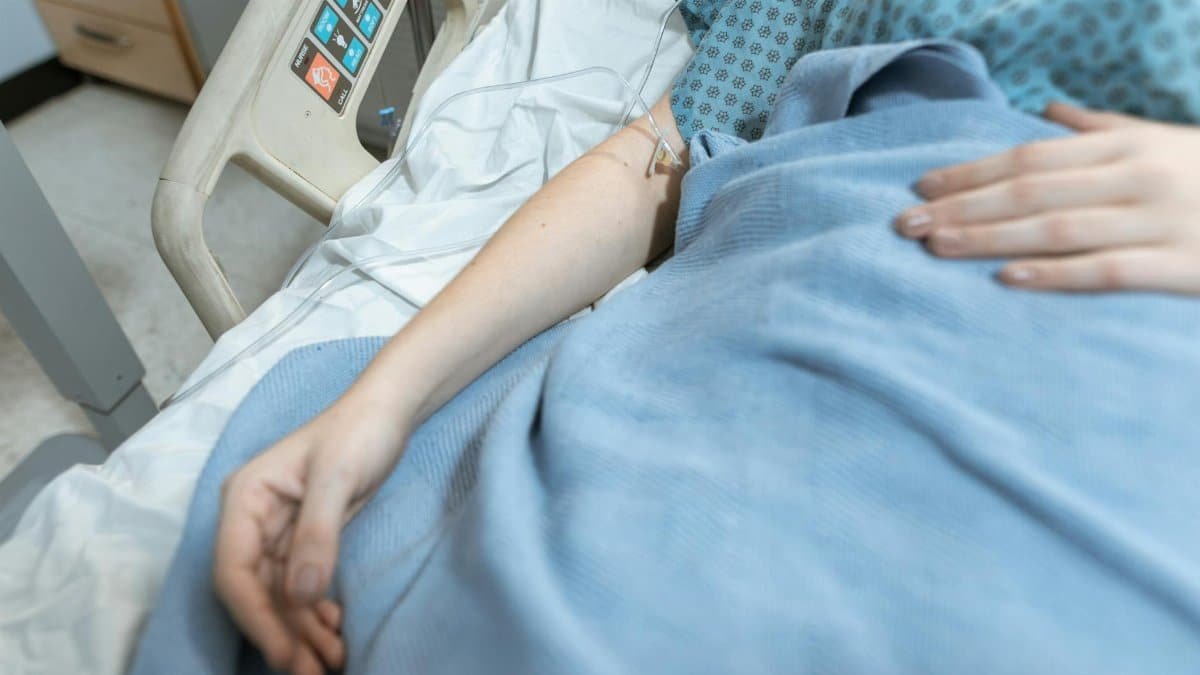
In the bustling corridors of Charlotte’s hospitals, a quiet revolution is underway. Patients recovering from surgeries or managing chronic pain are now encountering something unexpected: the soothing vibrations of sound healing sessions. This isn’t some fringe experiment; it’s a deliberate push toward holistic wellness in a city that’s rapidly embracing alternative therapies. A recent report from the American Hospital Association highlights that over 60% of U.S. hospitals now incorporate complementary practices, up from just 42% a decade ago, with sound-based interventions gaining traction for their role in stress relief. In Charlotte, this trend ties into a broader wellness movement, where sound healing, charlotte wellness, stress relief are becoming key tools for mental resilience amid the demands of modern life. As healthcare providers seek ways to address the emotional toll of illness, these sessions offer a gentle counterpoint to traditional medicine, promising calmer minds and faster recoveries.
The Emergence of Sound Healing in Charlotte’s Medical Scene
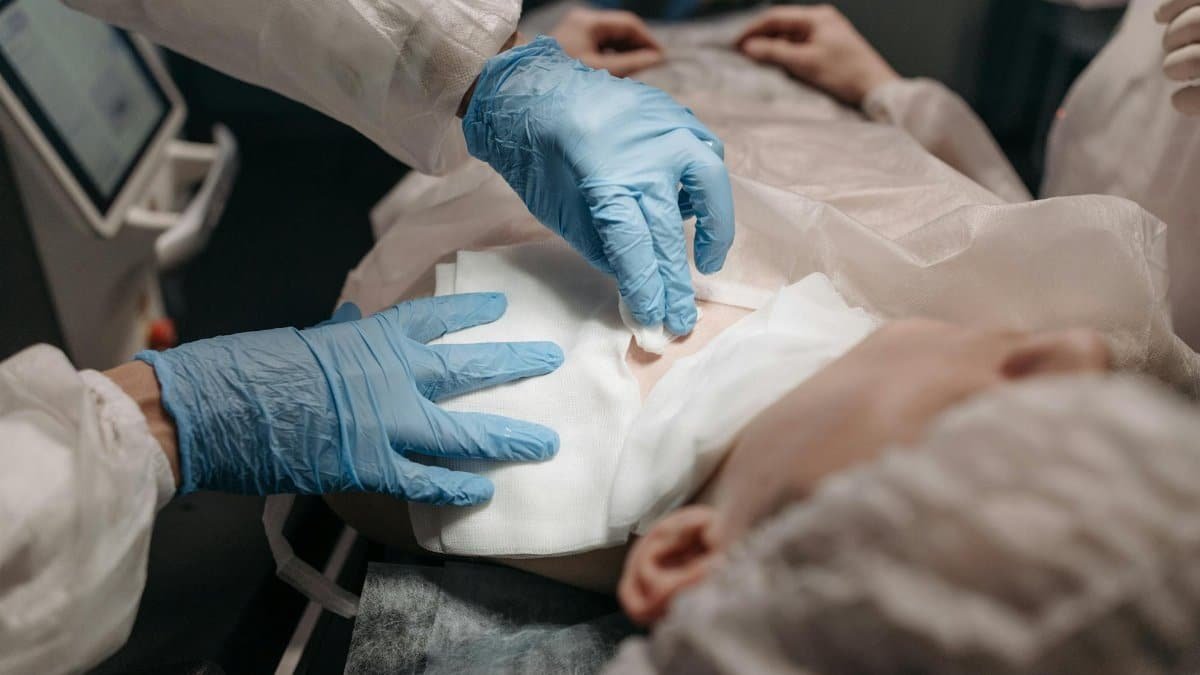
Charlotte has long been a hub for innovation in the South, but its foray into sound healing marks a fresh chapter. Hospitals like Atrium Health and Novant Health are piloting programs that integrate gongs, singing bowls, and tuned frequencies into patient care routines. This shift didn’t happen overnight. It stems from growing evidence that auditory therapies can lower cortisol levels, the hormone tied to stress. One hospital administrator described the decision as a response to patient feedback—folks emerging from procedures often felt overwhelmed, and conventional pain meds only went so far.
Picture a recovery room where, instead of sterile silence, soft chimes fill the air. A nurse shared an anonymized story of a post-op patient who, after a 20-minute session, reported feeling “like the fog lifted.” This isn’t just anecdotal; it’s backed by studies showing sound’s impact on the nervous system. For instance, research from the National Institutes of Health explores how vibrational therapies might enhance relaxation responses. In Charlotte, these initiatives align with the city’s wellness boom, from yoga studios to mindfulness apps, making sound healing a natural fit for stress relief in a high-pressure urban environment.
Understanding the Science Behind Sound Healing
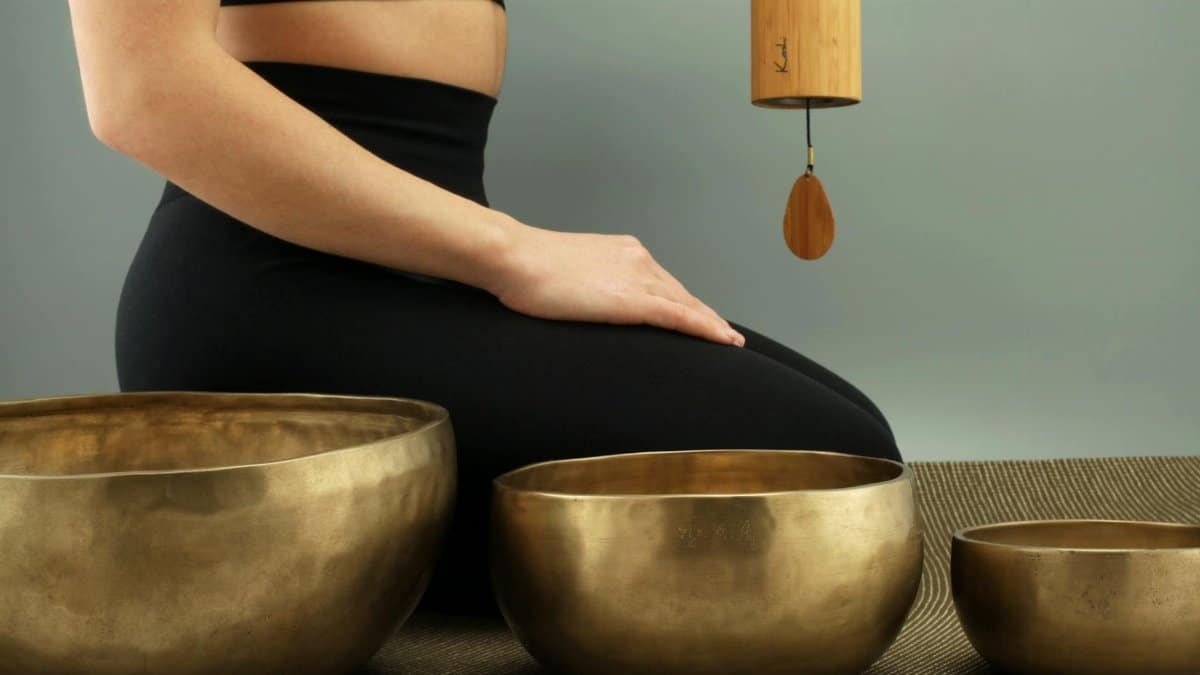
What makes sound healing more than just pleasant noise? At its core, it leverages the body’s response to frequencies. When a Tibetan singing bowl resonates, it creates waves that can entrain brain activity, shifting from beta waves of alertness to alpha waves of calm. This process, known as entrainment, has roots in physics and biology alike.
Experts point to studies where participants exposed to specific sounds showed reduced anxiety. A compelling example comes from a 2023 trial published in the Journal of Alternative and Complementary Medicine, which found that sound baths decreased perceived stress by 25% in a group of adults.Journal of Alternative and Complementary Medicine Study. In Charlotte’s hospitals, practitioners tailor these sessions to individual needs, perhaps using crystal bowls for someone battling insomnia post-surgery. It’s not magic, but it feels close when a patient, eyes closed, finally exhales deeply after days of tension.
Yet, there’s nuance here. Not every frequency works for everyone; some might find deep bass tones grounding, while others prefer higher pitches. This variability adds a layer of personalization that’s drawing medical professionals in, blending ancient practices with modern science for effective stress relief.
Patient Stories: Real Impacts on Recovery

Meet Sarah—not her real name—a 52-year-old teacher who underwent knee surgery at a Charlotte facility last fall. Amid the beeps of monitors and the ache of healing, she opted into a sound healing session. “It was like the noise in my head quieted,” she later recounted in an online forum, describing how the vibrations seemed to melt away her worries about returning to work. Such accounts are popping up more frequently, illustrating how sound healing, charlotte wellness, stress relief intersect in everyday lives.
These narratives aren’t isolated. Hospitals report that participants often sleep better and request fewer painkillers. One program coordinator noted a drop in reported anxiety scores by an average of 15% after sessions. Drawing from broader trends, a Pew Research Center survey on wellness practices reveals that 35% of Americans have tried some form of sound therapy in the past year, with many citing stress as their primary motivator.Pew Research on Alternative Medicine. In Charlotte, this translates to patients feeling empowered, turning recovery into a more holistic journey rather than a clinical grind.
Integrating Sound Healing into Hospital Protocols

How do busy hospitals make room for something as ethereal as sound? It starts with training. Staff undergo workshops to learn facilitation, ensuring sessions are safe and evidence-based. At one Charlotte center, sessions are scheduled like physical therapy—short, targeted, and integrated into daily rounds.
Challenges arise, of course. Space is limited, and not all patients are open to it. But proponents argue the benefits outweigh the hurdles. A study from the Cleveland Clinic, which has similar programs, shows improved patient satisfaction scores.Cleveland Clinic Sound Healing Overview. In Charlotte, collaborations with local wellness experts bring authenticity, creating a bridge between community practices and medical settings. This integration fosters a sense of normalcy, reminding patients that healing encompasses mind and body alike.
Transitions between traditional care and these sessions feel seamless when done right. A doctor might recommend it alongside meds, framing it as a complementary tool for stress relief, which in turn aids physical recovery.
Community Wellness and Broader Implications
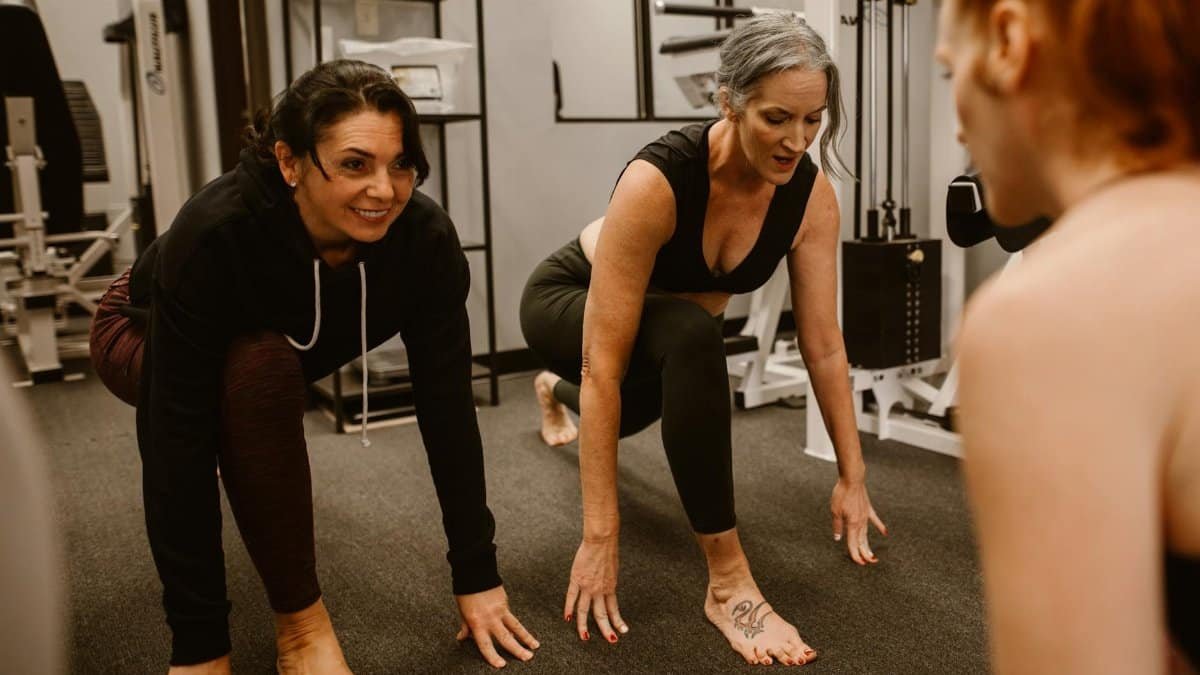
Beyond hospital walls, Charlotte’s embrace of sound healing reflects a city-wide push for wellness. Local studios offer classes that mirror hospital programs, creating a continuum of care. This community aspect amplifies the effects, as patients continue practices at home, building long-term resilience against stress.
Think about the ripple effects: reduced healthcare costs from shorter stays, happier staff, and a more mindful populace. Data from the Centers for Disease Control and Prevention underscores how chronic stress contributes to conditions like hypertension, making interventions like this timely.CDC on Stress and Coping. In 2025, as Charlotte grows, these programs could set a model for other cities, blending sound healing, charlotte wellness, stress relief into mainstream health strategies.
Yet, it’s not without debate. Some skeptics question the placebo effect, but ongoing research aims to quantify outcomes more rigorously, ensuring the practice evolves with evidence.
Challenges and Considerations in Implementation

No innovation comes without obstacles. In Charlotte’s hospitals, funding for sound healing programs often competes with other priorities. Equipment like high-quality bowls isn’t cheap, and training requires time. Moreover, cultural barriers persist—some patients view it as “woo-woo,” dismissing its potential.
Addressing these involves education. Workshops for staff and patients demystify the process, emphasizing its scientific backing. One hurdle highlighted in recent discussions is accessibility; not all demographics feel welcome in wellness spaces. Efforts to diversify practitioners are underway, aiming for inclusivity.
A balanced view acknowledges that while sound healing aids stress relief, it’s not a cure-all. Combined with therapy or medication, it shines, but standalone, it might fall short for severe cases. This tension keeps the conversation dynamic, pushing for better integration.
Looking Ahead: Expanding Access in Charlotte

As 2025 unfolds, Charlotte’s hospitals plan to expand sound healing offerings, potentially including virtual sessions for outpatients. This could democratize access, reaching those in rural areas around the city.
Partnerships with universities for research will likely yield more data, solidifying its place in medicine. Imagine a future where sound is as standard as a blood pressure check. For now, the focus remains on refining what’s working, listening to patient feedback, and adapting. In this way, sound healing, charlotte wellness, stress relief continue to harmonize with the rhythms of recovery, offering a soothing note in the symphony of healthcare.
Expert Voices on Sound Healing’s Role
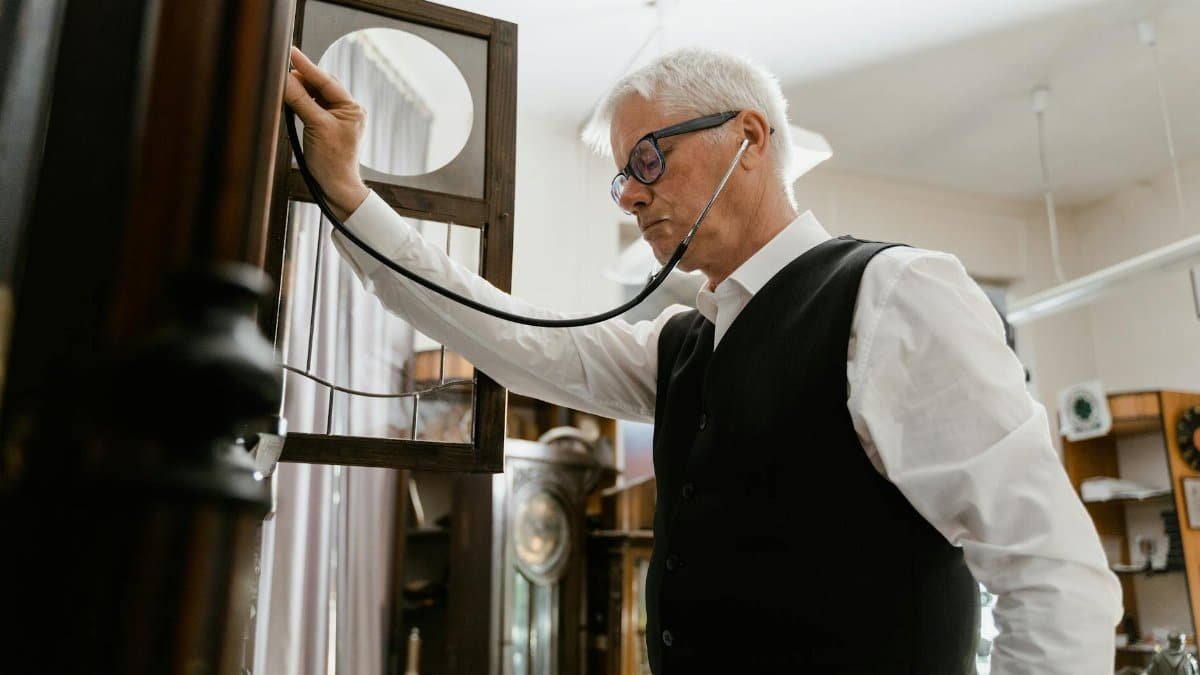
Dr. Elena Ramirez, a wellness specialist in Charlotte, puts it succinctly: “Sound isn’t just heard; it’s felt in the bones.” Her work with hospitals emphasizes measurable outcomes, like heart rate variability improvements post-session.
Other experts echo this, drawing from global traditions adapted for American contexts. A report from Harvard Medical School explores integrative medicine’s rise, noting sound’s potential in pain management.Harvard Medical School on Integrative Health. These voices add credibility, countering skepticism with data and experience.
In conversations with practitioners, a common theme emerges: empowerment. Patients learn to use simple techniques at home, fostering self-reliance in managing stress.
The Emotional Resonance of Sound in Stress Relief

At its heart, sound healing taps into something primal—the way a lullaby soothes a child or ocean waves calm a restless mind. In Charlotte’s recovery wards, this resonance helps patients reconnect with themselves amid vulnerability.
One anonymized account from a public online share described a session as “washing away the static of hospital life.” Such reflections highlight the emotional layer, where stress relief isn’t just physical but profoundly felt. As programs mature, they promise to weave this emotional support into the fabric of care, making hospitals places of true healing.