

On a Tuesday morning in a hospital corridor, a nurse watched a fetal monitor while a physician waited for a federal warning that never came. Measles was already moving through communities again, yet the danger to people carrying a pregnancy stayed mostly in hallway talk and chart notes. When measles in pregnancy finally reached a wider public, it arrived through a medical journal rather than the kind of alert many clinicians expect from the Centers for Disease Control and Prevention. That delay is not a footnote. It is the story of how risk travels, and who hears it in time.
What a journal put on the record

According to reporting by the Philadelphia Inquirer, data that the CDC declined to issue as an alert later appeared in NEJM Evidence. The account describes 112 cases, along with hospitalizations, pneumonia, and premature births. Those are not abstract complications. They are the reasons obstetric teams rearrange schedules, isolate rooms, and call neonatology before a patient even arrives. A journal article can be rigorous and still reach people late. An alert is built for speed. The difference is not academic when a virus spreads by air and a pregnancy cannot be paused.
Readers can follow the Inquirer account here: CDC measles pregnancy risk reporting. The point of citing that record is simple. The public did not learn the scale of harm because a rumor escaped. A journal released numbers that federal communicators had not pushed out as a warning.
A warning that did not go out
Health alerts exist because ordinary news cycles miss the people who need a fact before the next clinic day. Obstetricians, midwives, emergency physicians, and family doctors do not all read the same journal on the same morning. A CDC health advisory is meant to cut across that scatter. When the agency declines to send one, the information may still be true. It is simply harder to find, easier to dismiss as specialty news, and slower to change a waiting room poster or a prenatal visit script.
Officials can have reasons to wait. Case definitions shift. Records need confirmation. A premature bulletin can frighten people without giving them a clear action. Those cautions are real. They do not erase the cost of silence when the action is already known: identify people who lack immunity, keep infectious patients out of shared spaces, and treat pregnancy as a higher stakes exposure, not a routine one.
Why pregnancy changes the stakes

Measles is often remembered as a childhood rash. In adults it can be a severe lung and brain illness. In pregnancy the same virus meets a body already working harder to move oxygen, fight infection, and protect a fetus that cannot be vaccinated yet. Fever, coughing, and low oxygen are not minor discomforts when a placenta is the supply line. Clinicians have long taught that measles in pregnancy raises the chance of serious maternal illness and of a birth that comes too early. The newly published case series puts fresh numbers under that old lesson.
Immunity matters more than reassurance. People who received two doses of measles vaccine, or who have laboratory evidence of immunity, are far better protected than people who are unsure. Pregnancy is a poor time to discover a missing record. It is also a poor time to receive a live vaccine, which is why the useful window is before conception, not after a positive test.
Hospital stays and lung infection
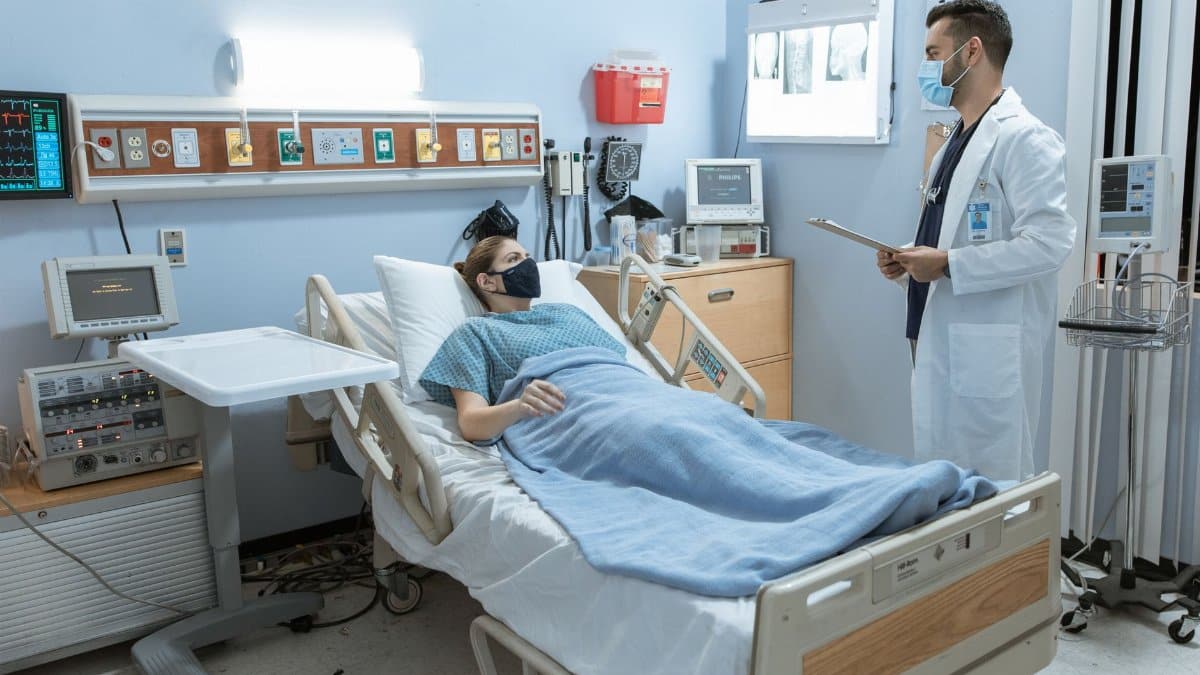
The Inquirer summary of the journal data points to hospitalizations and pneumonia among the 112 cases. Pneumonia is the complication that turns measles from a miserable week into a crisis. Breathing becomes work. Oxygen drops. A pregnant patient may need a higher level of care not only for herself but because fetal heart tones can falter when the parent is short of air. Hospitals then face a second problem: measles is among the most contagious viruses in clinical life. One unrecognized case in a triage bay can expose newborns, immunocompromised patients, and staff whose own immunity was never checked.
That is why infection control is not bureaucracy. Airborne precautions, room assignments, and rapid testing are the practical translation of a case count. If those 112 illnesses had remained an internal tally, some hospitals would still have done this work well. Others would have learned from a local outbreak instead of from a national signal. Uneven readiness is how a preventable exposure becomes a cluster.
Babies born too soon

Premature birth is the complication families remember in months, not days. A baby born early may need a warming bed, help with feeding, and time in a unit where every cough is a threat. Measles does not have to infect the newborn directly to cause that outcome. Severe illness in the pregnant patient, high fever, and low oxygen can trigger labor before the lungs and brain are ready. The journal record, as described in news coverage, ties premature births to this case group. That link should have been in the first sentence of any public warning, because it answers the question patients actually ask: what could this do to my baby?
Prematurity also widens inequality. Families without paid leave, reliable transport, or a hospital that can care for early infants absorb the shock differently. A national alert does not fix those gaps. It does tell clinicians to ask about exposure, travel, and immunity before a rash appears, which is when prevention still has a chance.
How clinicians learned anyway

Medicine has informal networks that sometimes outrun official channels. A colleague forwards a PDF. A grand rounds speaker mentions a cluster. A state health department calls a labor unit. Those paths saved time for some practices while others waited. The unevenness is the problem. A patient in a well connected academic center should not have a safer information environment than a patient in a rural prenatal clinic. Federal alerts exist to flatten that difference.
Journal publication still matters. Peer review slows rumor and forces authors to show their methods. NEJM Evidence is a serious home for this kind of case reporting. The failure is not that scientists published. The failure is the missing companion message, written in plain language, aimed at people who would never open the journal but who book a 28 week visit next Tuesday.
Vaccination before conception
The measles, mumps, and rubella vaccine is a live vaccine. Standard guidance is to give it before pregnancy and to avoid conception for a period afterward, following the schedule a clinician recommends. During pregnancy the tool shifts from vaccination to protection by the people around the patient. Partners, grandparents, and household children who are behind on shots are not a private matter. They are the exposure pathway.
Anyone unsure of immunity can ask for a titer or for records from prior clinics, schools, or pharmacies. Guessing is a weak plan. So is waiting for a rash in the community to decide. Outbreaks reward the households that settled this question in calm months. They punish the ones that discover a gap at the pharmacy counter after an exposure notice goes out.
What an alert would have changed

An alert would not have cured measles. It would have changed timing. Prenatal templates could have added two questions: any fever and rash in close contacts, and any uncertainty about two vaccine doses. Emergency departments could have masked patients with fever and cough before they sat beside someone in the third trimester. Health departments could have prioritized immune globulin for exposed pregnant patients who lack immunity, a step that depends on speed more than on eloquence.
Those steps are already in textbooks. Alerts drag textbooks into the workweek. Without that push, measles in pregnancy remains something specialists remember and general schedules forget. The 112 cases are a measure of what forgetting costs, even if each case had its own path and not every illness was preventable after the fact.
The outbreak behind the case count
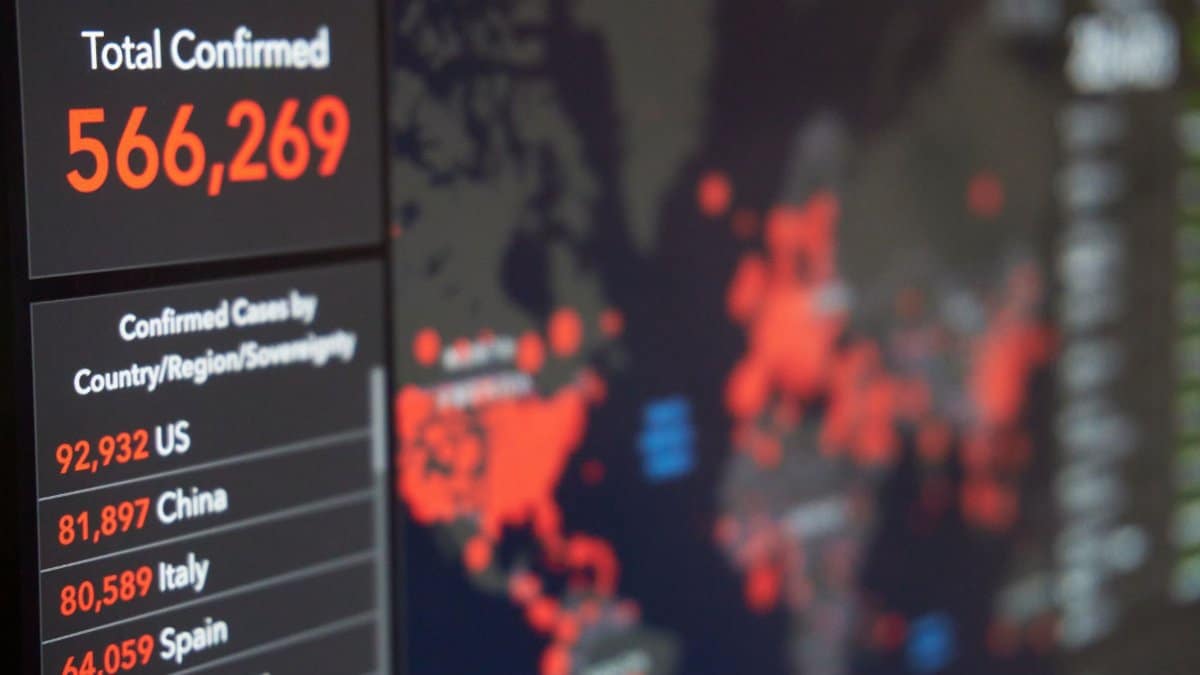
A case series does not appear in a vacuum. Measles returns when vaccination coverage slips below the level needed to stop chains of transmission. Pockets of low uptake, delayed childhood shots, and imported infections can ignite outbreaks that look sudden and are actually cumulative. Pregnancy sits inside that map. A person can do everything right in prenatal care and still share air with someone who was never immunized.
Public argument about vaccines has made some clinicians tentative. Tentativeness reads, to a worried patient, like doubt about the shots themselves. The record on measles vaccine and the prevention of measles is long. The new data do not invent a risk. They show what happens when prevention fails and pregnancy is in the room.
Reading the numbers with care

One hundred twelve cases is large for a pregnancy specific report and still a slice of a wider outbreak. Not every exposed pregnancy becomes severe disease. Not every premature birth in the series can be blamed on measles alone, because early birth has many causes. Honest reporting holds both ideas. The signal is strong enough to warn. It is not a claim that every pregnant person in an outbreak city will be hospitalized.
That nuance belongs in an alert, not instead of one. Health agencies lose trust when they hide bad news, and they also lose trust when they exaggerate. The durable path is to publish the count, name the complications, say what is known and unknown, and tell people what to do on Monday. A journal can do the first parts. A federal warning is built for the last.
What patients can ask now
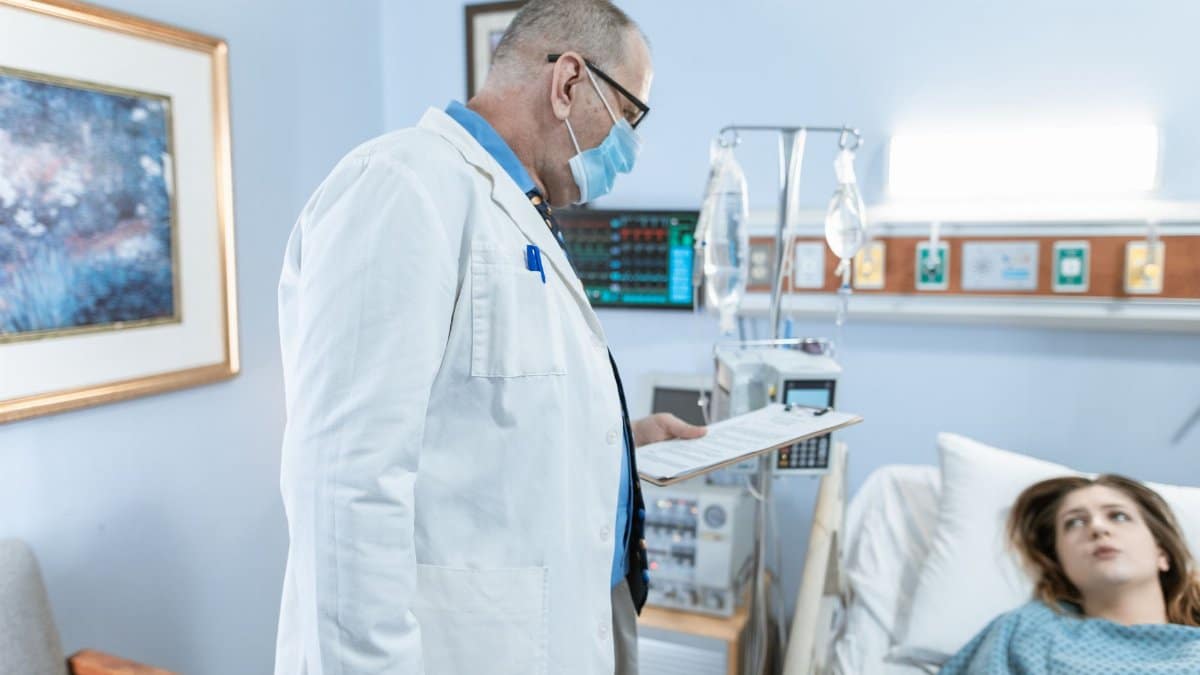
A useful prenatal visit can absorb this news without panic. Ask whether your vaccine record shows two doses. Ask what the clinic does if a patient arrives with fever and rash. Ask how to reach the office after an exposure at work, at worship, or at a family gathering. If you are trying to conceive, ask about vaccination before pregnancy rather than after a scare. If you are already pregnant and not immune, ask about exposure plans, including immune globulin when it is indicated, and about how to avoid waiting rooms during local outbreaks.
These questions are not a substitute for public communication. They are what families can control while agencies decide how loud to speak. Bring a partner or a friend if the answers feel rushed. Write them down. Clarity is part of care.
A test of public health trust

Trust is not a mood. It is a record of whether institutions tell hard facts when the facts are inconvenient, unfinished, or likely to draw political heat. Declining to alert clinicians about measles in pregnancy, while a journal later carries the hospitalizations, the pneumonia, and the premature births, leaves a mark. People remember who spoke plainly. They also remember who waited.
The remedy is not a louder argument about the CDC as a symbol. It is a plainer practice. When pregnancy specific harm is documented at this scale, the warning should move at the speed of the clinic, not only at the speed of publication. Journals inform the record. Alerts protect the next patient who has not read it.