

Is Sound Healing the Answer to Our Distraction Epidemic?

In a world buzzing with notifications and endless to-do lists, many Americans are turning to alternative methods to reclaim focus. Calm breathwork wellness, which combines controlled breathing techniques with sound-based therapies, is gaining traction as a potential fix for scattered minds. New data from wellness apps shows a 40% uptick in users practicing these methods daily, promising relief from the mental fog that plagues modern life. But does it really work? Experts weigh in on whether sound healing can truly mend our broken attention spans.
What Exactly Is Sound Healing?
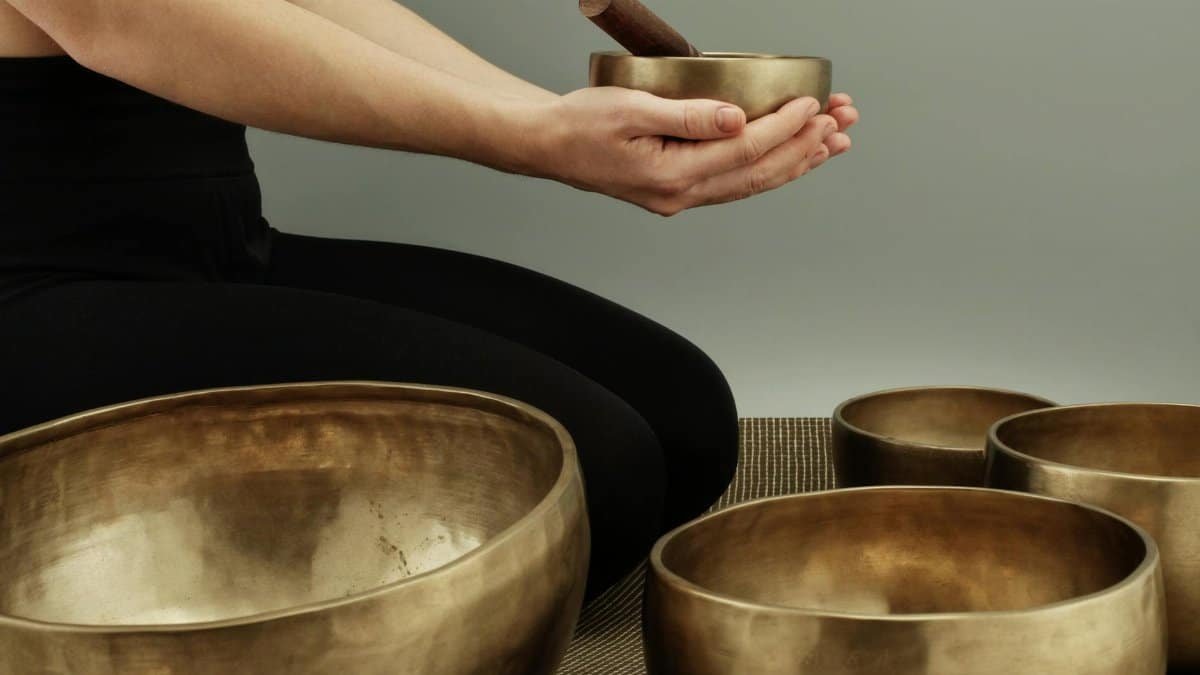
Sound healing uses vibrations from instruments like singing bowls, gongs, or tuning forks to promote relaxation and mental clarity. Practitioners claim these sounds resonate with the body’s energy fields, reducing stress and enhancing focus. Tied into calm breathwork wellness, it often pairs with deep breathing exercises to amplify effects. A study from the University of California found that participants exposed to sound therapy reported lower anxiety levels after just one session. This approach draws from ancient traditions but fits seamlessly into today’s fast-paced routines.
The Science Behind Sound and Breathwork
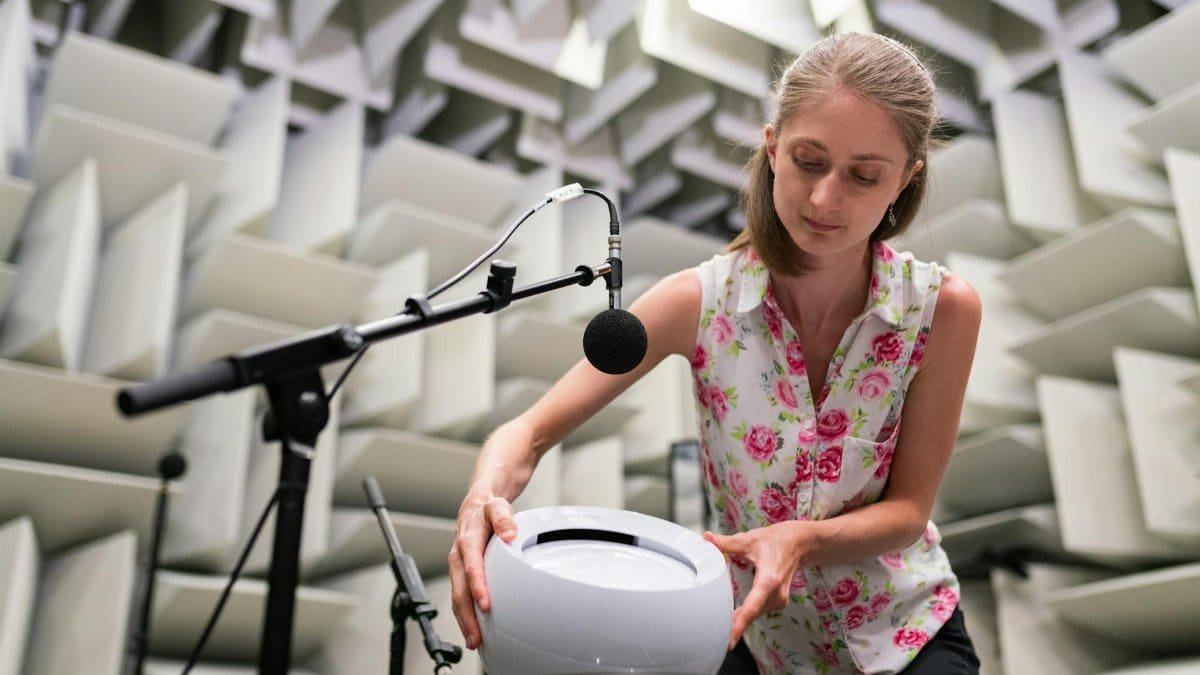
Research backs the buzz. Sound waves can influence brain activity, shifting it toward calmer states. When combined with breathwork, which regulates the nervous system, the duo tackles distraction at its root. The National Institutes of Health notes that rhythmic breathing activates the parasympathetic response, countering the fight-or-flight mode that fuels scattered thoughts. In 2025, with remote work still dominant, these practices are seen as essential tools for productivity. Skeptics argue it’s placebo, but controlled trials suggest real physiological changes occur.
How Distraction Is Wrecking Daily Life

Americans lose hours to distractions daily, from social media scrolls to email pings. A report by the American Psychological Association highlights that chronic distraction leads to higher stress and lower job performance. Calm breathwork wellness steps in by training the mind to stay present. Users report sharper concentration after incorporating sound sessions into their mornings. One tech worker in New York shared that after a week of practice, her ability to focus during meetings improved dramatically, cutting down on mindless multitasking.
Practical Ways to Incorporate Sound Healing
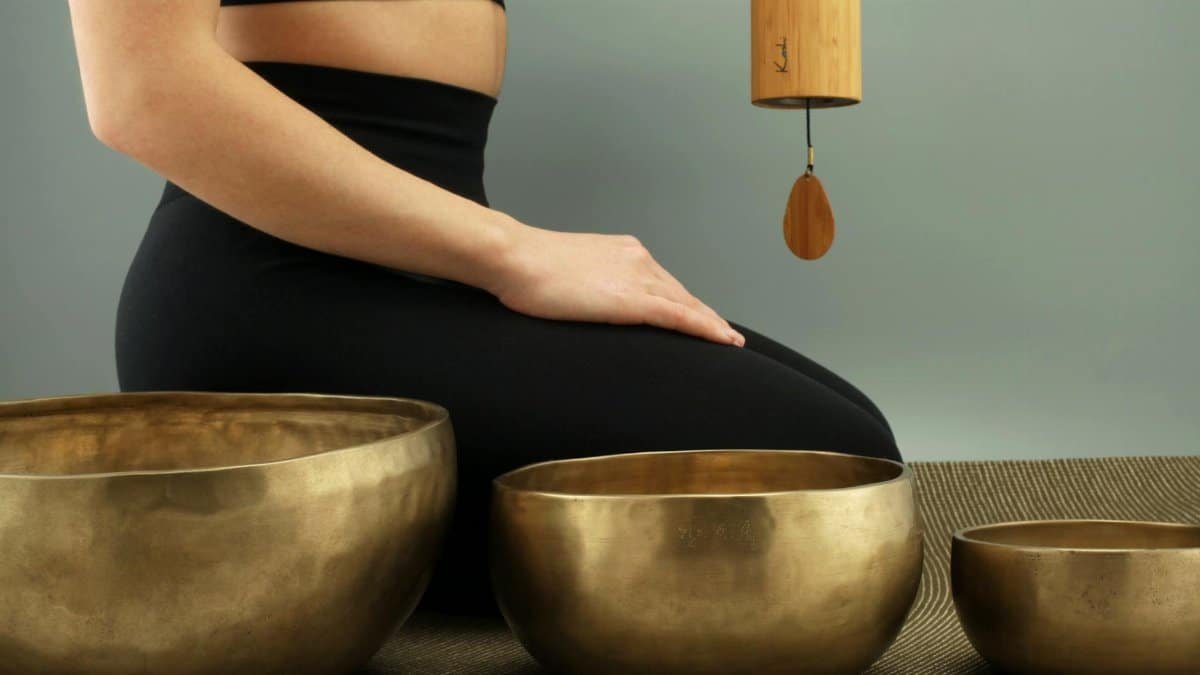
Starting is simple. Begin with free apps offering guided sound meditations, syncing breaths to soothing tones. Set aside 10 minutes daily, inhaling deeply while listening to binaural beats. Wellness centers across the U.S. offer classes, blending breathwork with live sound baths. For home use, invest in a basic singing bowl. Experts recommend consistency, aiming for sessions three times a week to see focus gains. This low-barrier entry makes it accessible for busy professionals seeking quick wins against distraction.
Potential Drawbacks and Criticisms

Not everyone is convinced. Some critics point out that sound healing lacks robust long-term studies, and results vary by individual. Overreliance on these methods might distract from addressing underlying issues like poor sleep or diet. The wellness industry, valued at billions, sometimes hypes unproven claims. A review in the Journal of Alternative and Complementary Medicine warns of pseudoscience in some practices. Still, for many, the immediate calm it provides outweighs the skepticism, especially when paired with evidence-based breathwork.
Real Stories from Practitioners

Take Lisa M., a teacher from Chicago, who struggled with classroom distractions post-pandemic. She integrated calm breathwork wellness into her routine, using sound apps during breaks. “It reset my mind,” she said. “I could actually hear my thoughts again.” Similar anecdotes flood online forums, with users crediting the practice for better work-life balance. In urban hubs like Los Angeles, sound healing studios are popping up, drawing crowds eager to escape digital overload.
Expert Opinions on Effectiveness

Dr. Elena Ruiz, a neurologist at Johns Hopkins, explains that sound vibrations may stimulate the vagus nerve, aiding focus. “It’s not magic, but it modulates brain waves effectively,” she noted in a recent interview. Wellness coaches emphasize combining it with mindfulness for best results. The Cleveland Clinic supports breathwork’s role in mental health, linking it to reduced ADHD symptoms. As 2025 unfolds, more professionals are endorsing these tools for combating everyday distractions.
Comparing to Traditional Methods

Versus caffeine or productivity apps, sound healing offers a holistic alternative. It doesn’t rely on stimulants but fosters internal calm. Studies show breathwork outperforms short-term fixes in sustaining attention. For instance, a trial by Harvard Medical School compared meditation apps to sound-based practices, finding the latter more effective for long-term focus. This positions calm breathwork wellness as a sustainable choice in an era of quick hacks.
Future Trends in Wellness Practices

Looking ahead, integration with tech like VR sound experiences is on the rise. Apps are evolving to personalize sessions based on user data. In the U.S., corporate wellness programs are adopting these methods to boost employee retention. With mental health awareness peaking, expect more research validating sound healing’s benefits. For now, it’s a growing ally in the fight against distraction, helping millions breathe easier amid chaos.
For more on the science, check out the National Institutes of Health resources on mind-body practices. Additional insights come from the American Psychological Association‘s reports on stress and focus.