
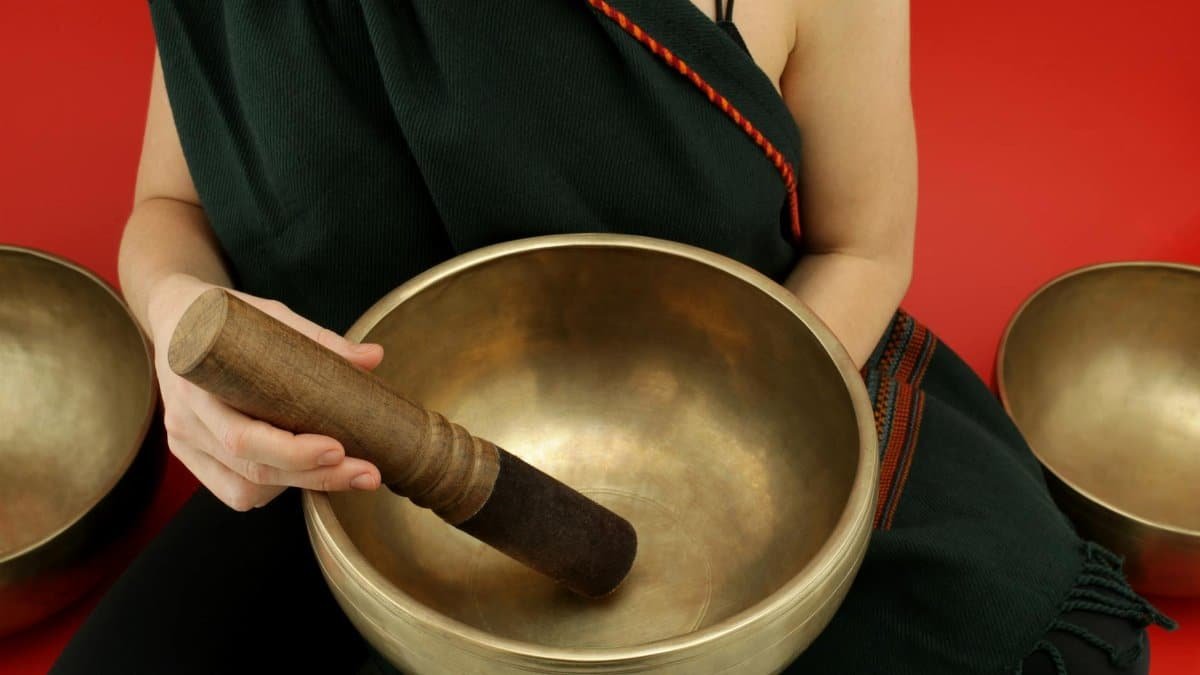
In a world where burnout is rampant, is sound healing the game-changer we’ve been waiting for? As more Americans grapple with stress and exhaustion, this ancient practice is making waves in modern wellness circles. Calm focus wellness, blending mindfulness with auditory therapies, promises to restore balance without the need for pills or endless therapy sessions. Recent surveys show a surge in interest, with practitioners reporting tangible relief from daily pressures. But does it really work, or is it just another fad? Let’s break it down.
What Is Sound Healing?
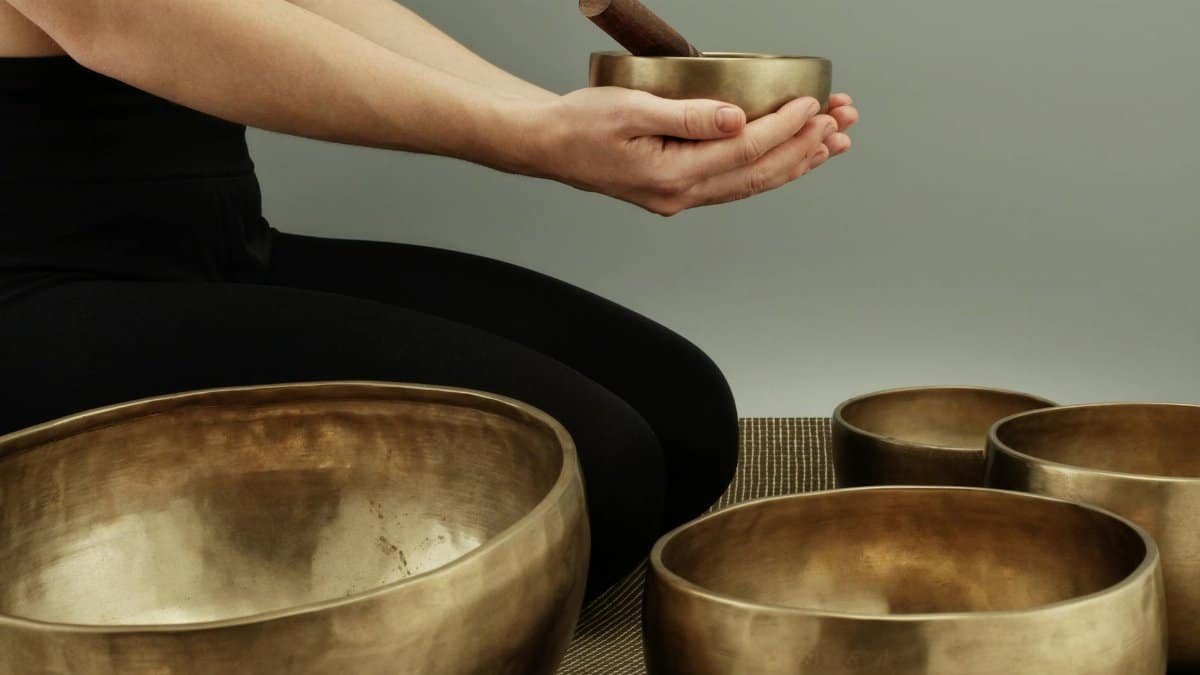
Sound healing uses vibrations from instruments like singing bowls, gongs, and tuning forks to promote relaxation and mental clarity. Rooted in ancient traditions from Tibet and India, it’s now backed by some modern science. Studies suggest these sounds can lower cortisol levels, the hormone tied to stress. For those chasing calm focus wellness, it’s a non-invasive way to reset the mind. Practitioners say sessions last 30 to 60 minutes, leaving participants feeling rejuvenated.
The Burnout Epidemic in 2025
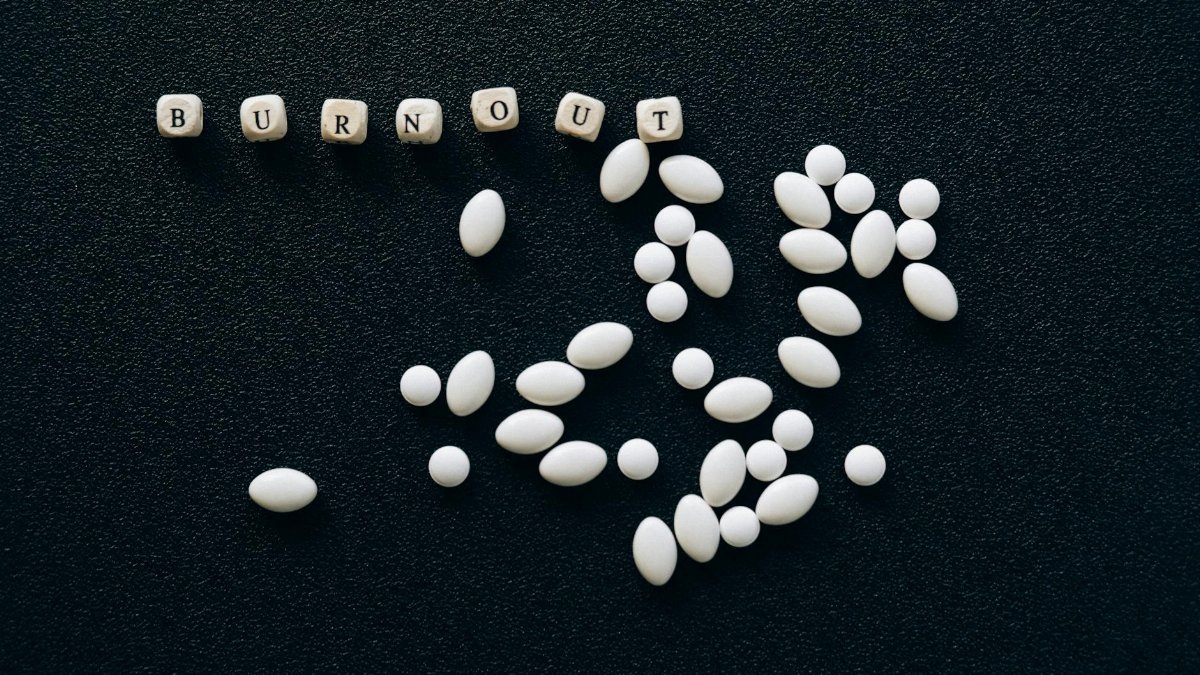
Burnout isn’t just a buzzword; it’s a crisis. According to the American Psychological Association, over 70% of U.S. workers reported symptoms last year, with numbers climbing into 2025. Long hours, remote work glitches, and economic pressures fuel the fire. Enter sound healing as a potential antidote. Experts note it’s gaining traction in corporate wellness programs, where employees seek quick fixes for mental fatigue. If you’re fried from endless Zoom calls, this could be your ticket out.
How Sound Healing Targets Stress

At its core, sound healing works by entraining brainwaves. The rhythmic tones shift your mind from beta waves—associated with alertness and anxiety—to alpha or theta states, which foster calm. A study from the University of California found participants experienced reduced anxiety after just one session. UCSF News highlights how these vibrations influence the nervous system. It’s not magic; it’s biology, making it a solid tool for calm focus wellness.
Real Stories from Users

Take Mark Thompson, a New York tech exec who hit rock bottom last year. “I was skeptical, but after a few sound baths, my focus sharpened and sleep improved,” he shared. Similar tales flood online forums. A wellness coach in California reports clients ditching caffeine for crystal bowls. These anecdotes underscore the appeal: quick, accessible relief without side effects. While not everyone buys in, the growing chorus suggests sound healing packs a punch against burnout.
Scientific Backing and Skepticism

Not all experts are sold. Critics argue the evidence is anecdotal, with placebo effects possibly at play. Yet, research from reputable sources paints a promising picture. The National Institutes of Health has funded studies on vibrational therapies, showing benefits for PTSD and chronic pain. Check out this overview from NCBI, which reviews sound’s impact on well-being. For calm focus wellness advocates, it’s enough to warrant a try, but more rigorous trials are needed in 2025.
Integrating It Into Daily Life

You don’t need a fancy studio to start. Apps offer guided sound meditations, and affordable tools like tuning forks are available online. Begin with 10 minutes a day: lie down, close your eyes, and let the tones wash over you. Combine it with breathwork for amplified effects. Wellness pros recommend consistency—make it a ritual, like morning coffee. In bustling cities like NYC, pop-up sessions are popping up, making calm focus wellness more accessible than ever.
Potential Drawbacks to Consider

Sound healing isn’t for everyone. Some report headaches from intense vibrations, and it’s not a substitute for medical treatment. If you have hearing issues or epilepsy, consult a doctor first. Costs can add up, with sessions ranging from $50 to $200. Skeptics point out the lack of FDA approval, urging caution. Still, for many battling burnout, the pros outweigh the cons, offering a low-risk path to mental reset.
Comparing to Other Wellness Trends

How does sound healing stack up against yoga or meditation? It’s faster, often requiring less effort—just listen and relax. Unlike CBD oils or supplements, it’s drug-free. A Pew Research survey on wellness trends notes a 25% uptick in alternative therapies this year. While meditation demands discipline, sound healing feels effortless, appealing to busy folks. In the realm of calm focus wellness, it’s emerging as a frontrunner for quick burnout relief.
Future Prospects for Sound Healing
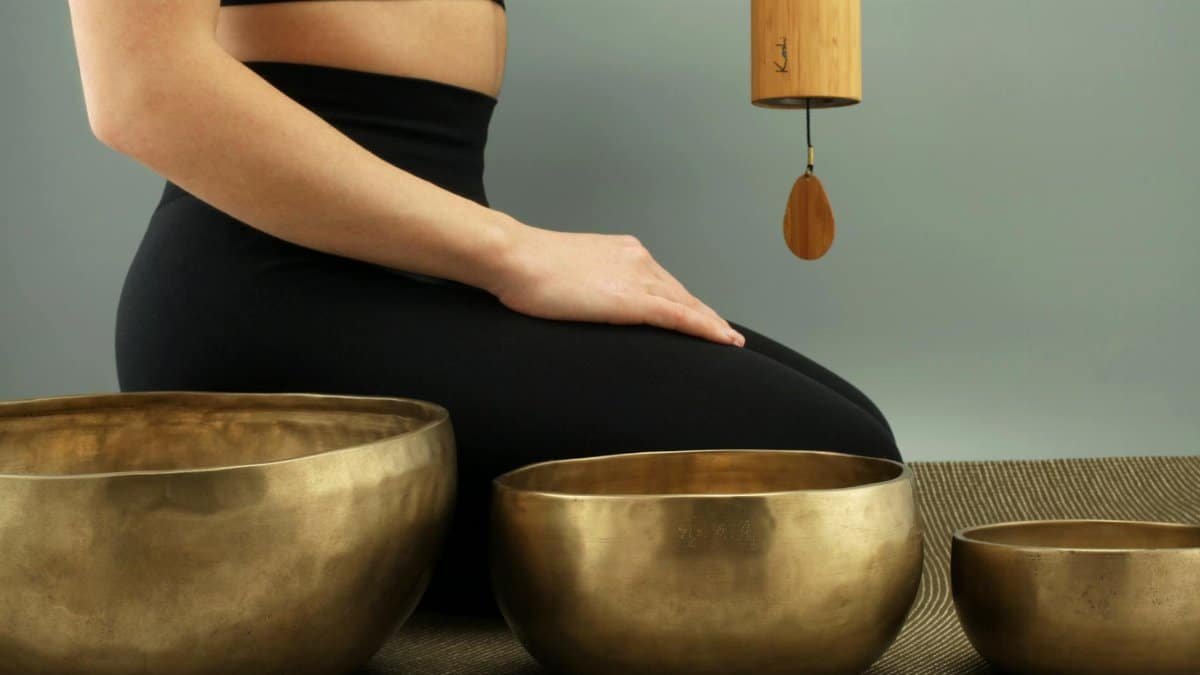
As 2025 unfolds, expect sound healing to infiltrate mainstream health. Tech giants are developing VR sound experiences, and hospitals are testing it for patient recovery. With burnout rates projected to rise, this practice could become a staple. Experts predict integration with AI for personalized sessions. If you’re on the fence, dip a toe in— it might just tune out your stress for good.