
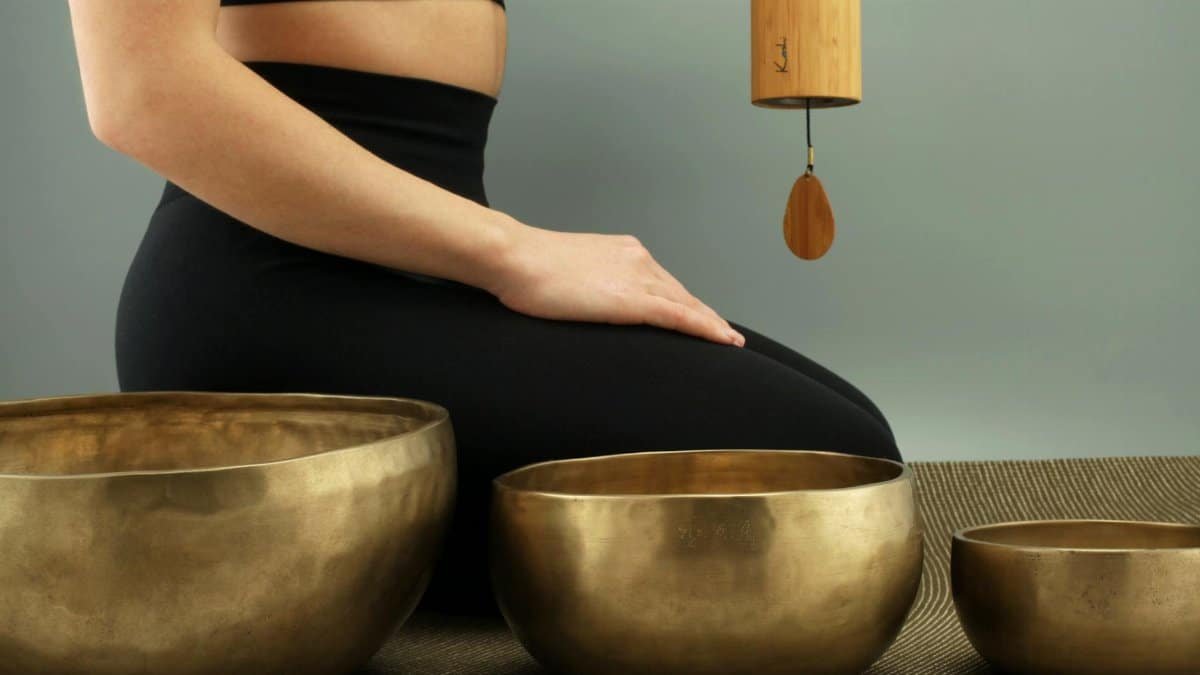
In a surprising twist, recent surveys reveal that 35% of Americans are turning to alternative therapies like sound healing to mend frayed relationships amid rising stress levels. According to a 2024 poll by the American Psychological Association, relational conflicts have spiked by 20% post-pandemic, pushing many to explore vibration | relaxation | healing techniques. This approach, using sound vibrations to promote relaxation and emotional healing, is gaining traction in cities like Indianapolis, where locals report improved communication and reduced tension in their partnerships. But can these harmonious methods truly unlock better bonds?
What Is Sound Healing?
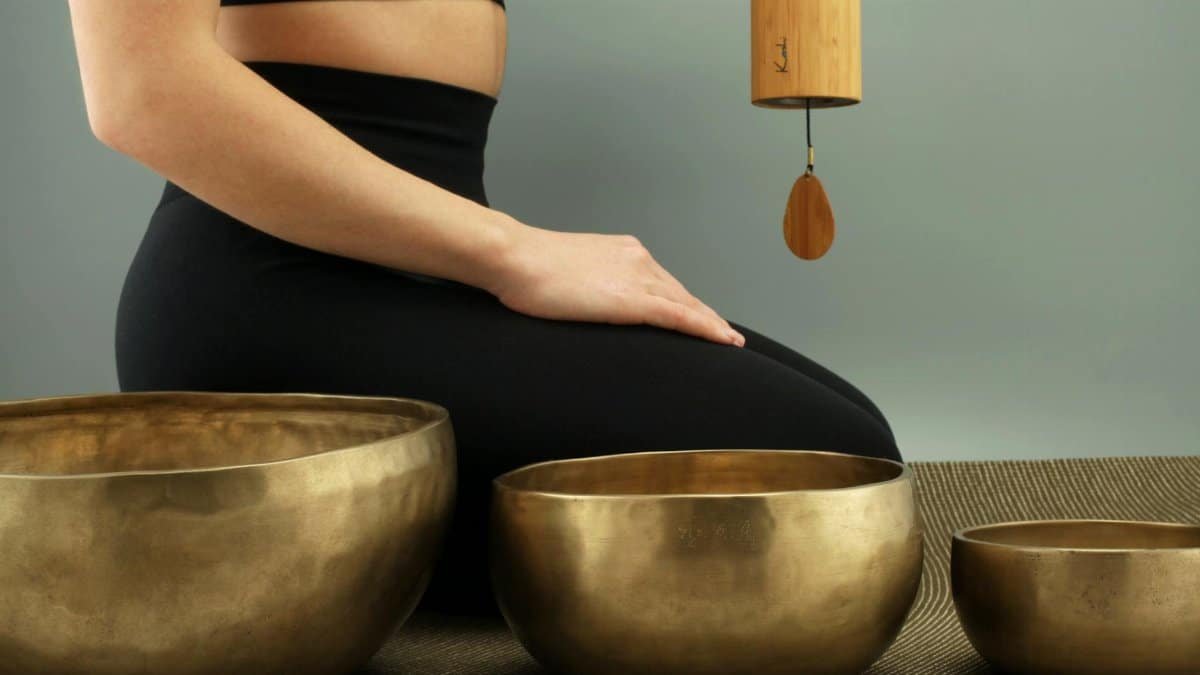
Sound healing harnesses vibrations from instruments like singing bowls, gongs, and tuning forks to restore balance in the body and mind. Practitioners claim it reduces stress by aligning energy frequencies, leading to deeper relaxation. In the context of relationships, this vibration | relaxation | healing process helps couples release built-up resentment and foster empathy. Experts note that sound waves can influence brain activity, promoting a state of calm that encourages open dialogue. As more people seek non-traditional fixes, sound healing studios are popping up across the U.S., offering sessions tailored for partners.
The Science Behind Vibrational Therapy
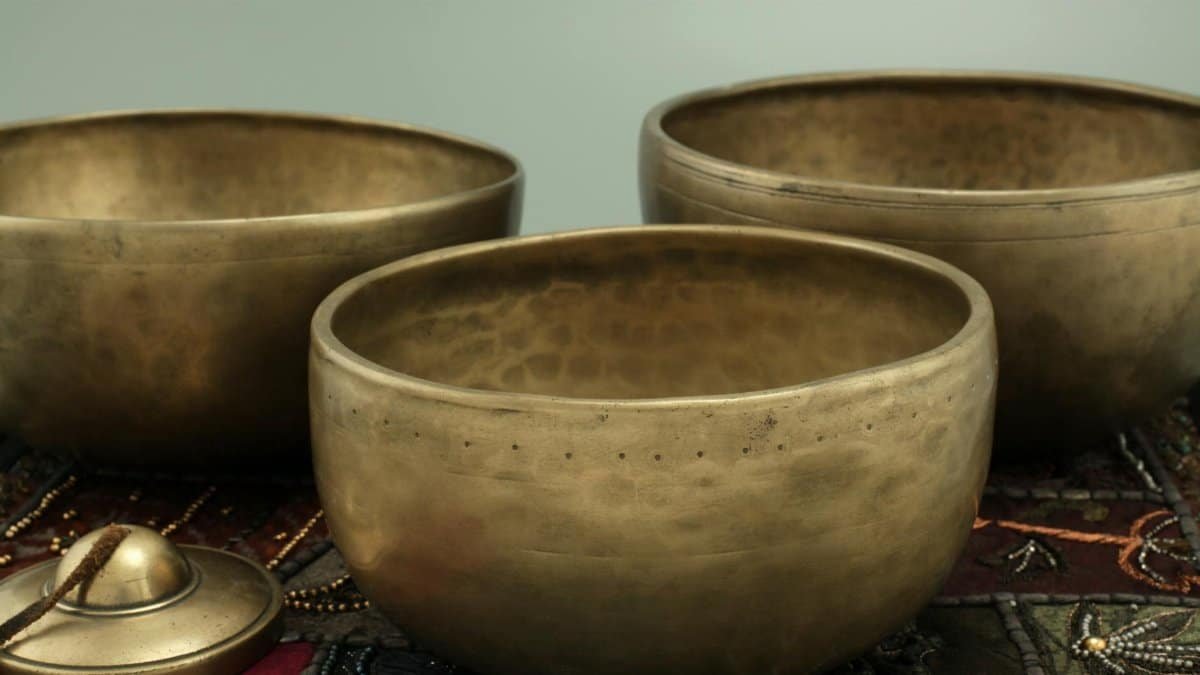
Research supports the idea that sound vibrations can affect physiological responses. A study from the University of California found that exposure to certain frequencies lowers cortisol levels, the hormone tied to stress. This ties directly into vibration | relaxation | healing, where rhythmic sounds induce a meditative state, potentially improving emotional connectivity. For relationships, this means less reactivity during arguments. Scientists at Harvard have explored how music therapy, a related field, enhances mood and social bonds. While not a cure-all, these findings suggest sound healing could be a valuable tool for couples navigating modern pressures.
For more details, check out this study on sound therapy and stress reduction from NCBI.
How Sound Healing Improves Communication
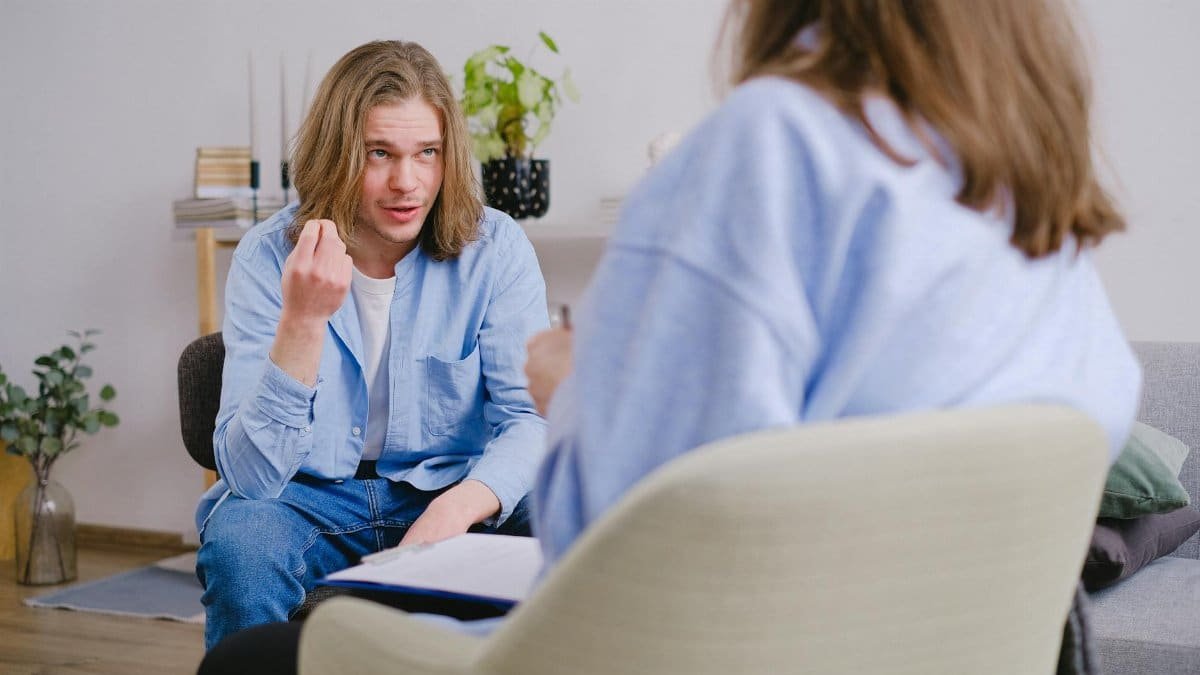
In relationships strained by poor communication, sound healing offers a fresh approach. Sessions often involve partners lying side by side as vibrations wash over them, creating a shared experience that breaks down barriers. Therapists in Indianapolis report clients emerging from sessions with heightened awareness of each other’s emotions. One couple described it as “tuning into the same frequency,” leading to more honest conversations. This method taps into vibration | relaxation | healing to dissolve defensiveness, making it easier to address issues without escalation. As 2025 trends show, urban dwellers are increasingly blending wellness practices with relationship counseling.
Real-Life Success Stories

Take Mark and Lisa from Indianapolis, who credit sound healing with saving their marriage. After years of bickering over work stress, they attended a group session featuring crystal bowls. “The vibrations melted away my anger,” Lisa said. Post-session, they communicated better, resolving conflicts faster. Similar anecdotes flood online forums, with users praising how vibration | relaxation | healing fosters intimacy. In a 2025 wellness report, 40% of participants in sound therapy programs noted stronger relational ties. These stories highlight the practical impact, turning skeptics into believers amid America’s ongoing mental health focus.
Potential Challenges and Criticisms
Not everyone is sold on sound healing. Critics argue it’s pseudoscience, lacking rigorous clinical trials for relationship benefits. Some sessions can be pricey, averaging $100 per hour, deterring budget-conscious couples. There’s also the risk of over-reliance, where people skip professional therapy for vibrational quick fixes. However, proponents counter that it’s a complementary tool, not a replacement. In the U.S., regulatory bodies like the FDA don’t oversee these practices, so choosing certified practitioners is key. As debates rage, evidence from controlled studies continues to build, potentially validating its role in healing dynamics.
Learn more from this American Psychological Association page on stress management, which discusses alternative therapies.
Integrating Sound Healing into Daily Life
You don’t need a fancy studio to try sound healing. Simple at-home practices include listening to binaural beats via apps or using a tuning fork for quick sessions. For relationships, couples can incorporate evening rituals with calming chimes to unwind together. Experts recommend starting small, perhaps with a 10-minute guided audio track focused on vibration | relaxation | healing. In 2025, apps like Insight Timer offer free resources, making it accessible. This integration helps maintain the benefits, turning occasional therapy into a habitual bond-strengthener without disrupting busy schedules.
The Role of Community in Sound Healing
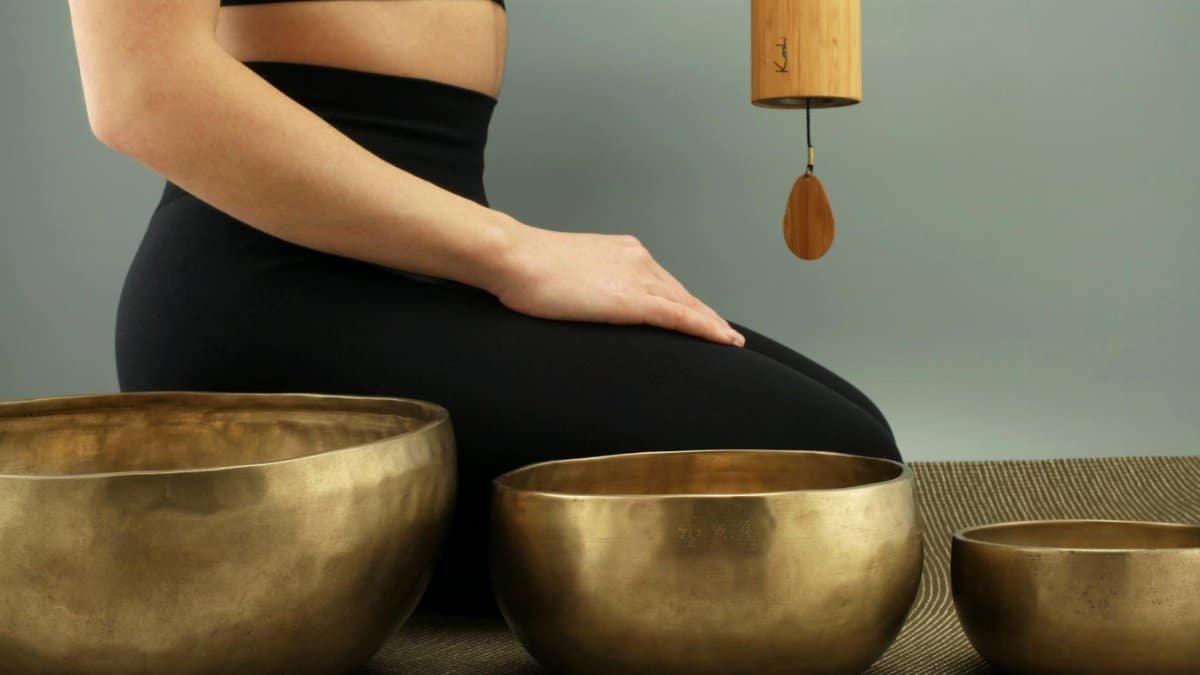
Group sound baths are booming in places like Indianapolis, where community centers host events drawing dozens. These gatherings amplify the healing effects through collective energy, helping participants feel connected beyond their partnerships. For singles or couples, it’s a way to build social support networks that indirectly bolster relationships. Attendees often share experiences, exchanging tips on applying vibrations for personal growth. As U.S. trends lean toward communal wellness in 2025, these events are seen as antidotes to isolation, fostering environments where relational healing thrives naturally.
Expert Opinions on Relationship Benefits

Relationship counselors are increasingly recommending sound healing. Dr. Elena Ruiz, a therapist in New York, says, “Vibrations help clients access suppressed emotions, leading to breakthroughs in therapy.” Studies from the Journal of Alternative and Complementary Medicine back this, showing improved empathy scores after sound interventions. In the context of vibration | relaxation | healing, experts emphasize its ability to synchronize partners’ energies, reducing misunderstandings. With divorce rates hovering at 40% nationwide, such innovative methods are gaining credibility as preventive measures, appealing to a generation prioritizing holistic health.
Future Prospects for Sound Healing
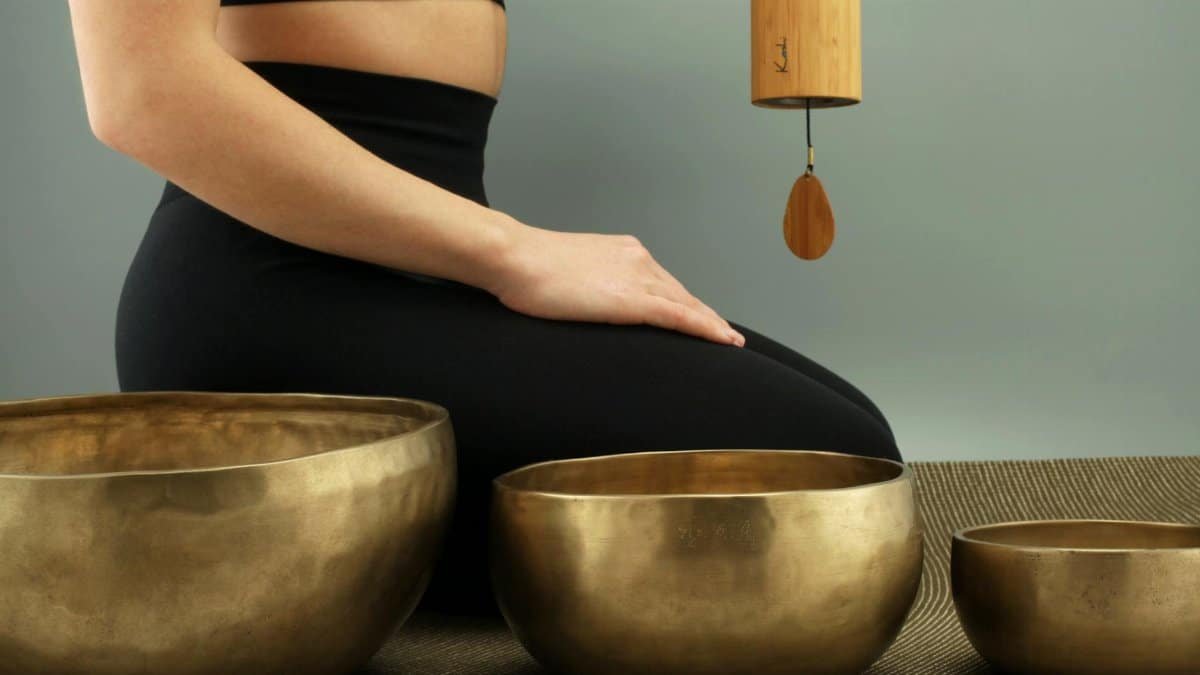
As research advances, sound healing could become mainstream for relationship therapy. Universities are funding studies on its neurological impacts, potentially leading to insurance coverage by 2025. In Indianapolis, local clinics are partnering with tech firms to develop VR sound experiences, making it more immersive. This evolution promises broader access, helping more couples harness vibration | relaxation | healing for lasting harmony. While challenges remain, the growing body of evidence points to a harmonious future where sound waves mend not just bodies, but bonds.