

Is psychedelics ego reduction UCLA the key to unlocking lasting changes in how we perceive ourselves? A groundbreaking trial at the University of California, Los Angeles, is diving into this question, exploring whether guided psychedelic experiences with psilocybin—a compound found in certain mushrooms—can create enduring shifts in the brain’s networks tied to ego identification. As interest in psychedelics surges across the U.S. for mental health and personal growth, this study could reshape our understanding of identity and consciousness. UCLA’s research is poised to offer hard data on a topic long steeped in speculation.
UCLA’s Pioneering Psilocybin Research

At the forefront of psychedelic science, UCLA has launched a clinical trial that zeroes in on psilocybin’s potential to alter brain function. The university, a hub for cutting-edge neuroscience, is conducting rigorous experiments to measure how this compound impacts the neural pathways associated with the ego—the sense of self that shapes how we interact with the world. Unlike past studies focused on short-term effects, this trial seeks to track changes over extended periods, offering a window into whether these shifts can stick.
What Is Ego Identification?

The ego, often described as the mental construct of “I” or “me,” plays a central role in how we navigate life. It influences our decisions, relationships, and self-perception. UCLA’s study targets the brain networks believed to underpin this sense of self, examining if psilocybin can dial down overactive ego identification. This concept, while abstract, has real-world implications—potentially easing conditions like anxiety or depression, where an overbearing sense of self can fuel distress.
How Psilocybin Might Rewire the Brain
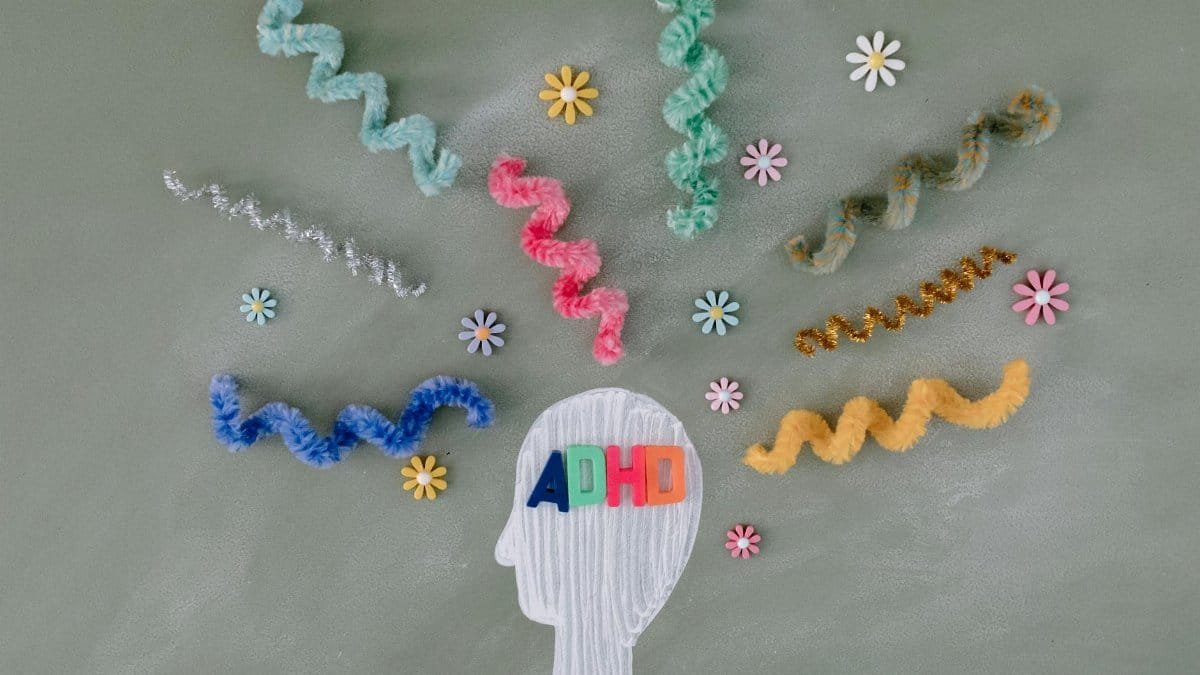
Psilocybin is known to interact with serotonin receptors in the brain, often leading to altered states of consciousness during guided sessions. UCLA researchers are specifically studying whether these experiences can disrupt rigid patterns in brain networks linked to ego. Early theories suggest that psychedelics may “reset” certain neural connections, creating flexibility in how individuals perceive themselves. The trial’s focus is on capturing data from brain imaging to see if these changes hold over weeks or months post-experience.
Guided Experiences as a Core Component

The UCLA trial isn’t about casual use of psychedelics. Participants undergo carefully structured sessions with trained facilitators who guide them through the psilocybin experience. This controlled environment aims to maximize safety and therapeutic potential, ensuring that any ego-related shifts are observed in a supportive context. The emphasis on guidance reflects a broader trend in psychedelic research, where set and setting are seen as critical to meaningful outcomes.
Why Long-Term Changes Matter

Many psychedelic studies have documented profound experiences during or shortly after dosing, but UCLA’s work stands out for its focus on durability. If psilocybin can induce lasting changes in ego-related brain networks, it could open doors to new treatments for mental health challenges. Conditions like chronic self-criticism or identity-based distress might benefit from a reduced ego state, potentially improving quality of life for countless individuals in 2025 and beyond.
Broader Implications for Neuroscience

The psychedelics ego reduction UCLA trial isn’t just about one compound or concept—it’s a piece of a larger puzzle in understanding human consciousness. By mapping how psilocybin alters brain networks, researchers hope to gain insights into the neural basis of identity itself. This could inform not only mental health therapies but also philosophical debates about the nature of self, bridging science and spirituality in ways rarely seen in academic settings.
Challenges in Measuring Ego Shifts

Quantifying something as intangible as the ego poses unique hurdles for UCLA’s team. While brain imaging offers objective data, interpreting how these changes translate to lived experience is complex. The trial must balance scientific precision with subjective reports from participants, ensuring that findings are both measurable and relevant. This methodological challenge underscores the innovative nature of the study, pushing the boundaries of how we study the mind.
Context in U.S. Psychedelic Research

UCLA’s trial comes at a time when psychedelics are gaining traction across the U.S. as potential tools for healing. With states like Oregon and Colorado decriminalizing or legalizing psilocybin for therapeutic use, academic institutions are racing to provide evidence-based insights. The psychedelics ego reduction UCLA study aligns with this momentum, contributing to a growing body of research that could influence policy and public perception in the coming years.
Looking Ahead at UCLA’s Findings

While results from the UCLA trial are still pending, the implications are already generating buzz among scientists and mental health advocates. If psilocybin proves capable of creating sustained reductions in ego identification, it could mark a turning point in how we approach personal transformation. For now, the study serves as a reminder of the untapped potential within psychedelic compounds—and the role of institutions like UCLA in uncovering it.
For more on psychedelic research, check out resources from UCLA Research and broader trends in the field at National Institutes of Health.