

In the hushed atmosphere of a remote botanical research station, the film Silent Friend opens with a researcher tracing the slow movements of leaves under changing light. This scene sets the stage for a deeper inquiry into Plants Consciousness, blending quiet observation with questions that have lingered in laboratories and gardens alike.
Tracing the Roots of an Old Debate
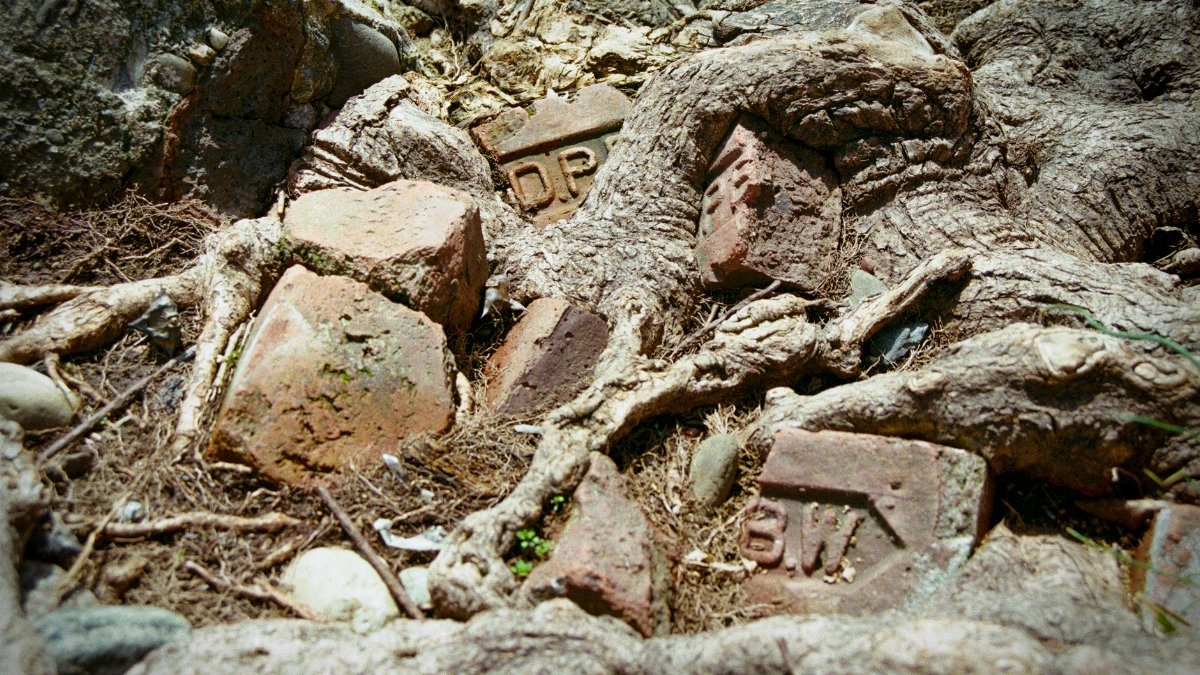
Scientists have long examined whether plants respond to their surroundings in ways that suggest more than automatic reactions. The film draws on this history, showing how early experiments with stimuli like sound and touch prompted new lines of thought. Researchers today continue to measure electrical signals in roots and stems, seeking patterns that might indicate internal processing.
How the Film Brings Research to Life
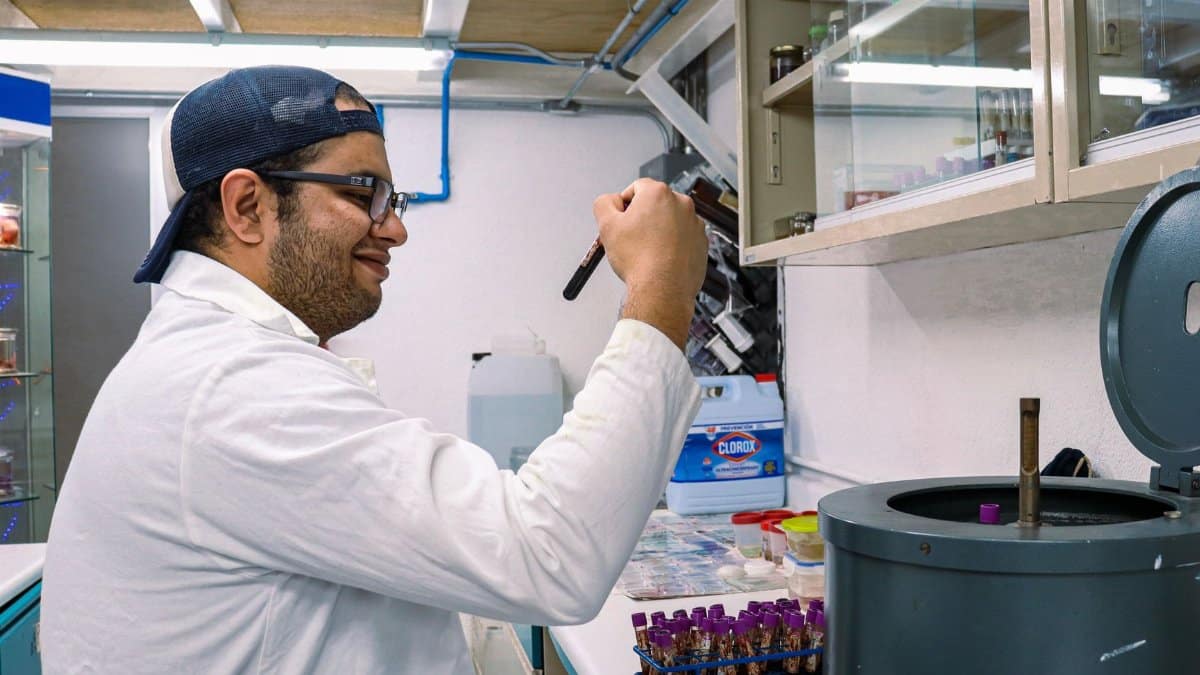
Silent Friend portrays a scientist who spends years documenting one ancient tree. Through measured pacing and minimal dialogue, the story illustrates daily routines of measurement and note taking. Viewers see data collection unfold without dramatic flourishes, mirroring the patient pace of actual fieldwork.
Electrical Signals in Everyday Growth
Recent studies have recorded voltage changes traveling through plant tissues when leaves are touched or exposed to varying moisture. One project at the University of Wisconsin tracked these signals across multiple species. Results appear in detail at https://www.scientificamerican.com/article/can-plants-have-consciousness-the-film-silent-friend-reimagines-the-science/. Such findings invite discussion about whether the activity amounts to a basic form of awareness.
Community Responses to Shared Environments
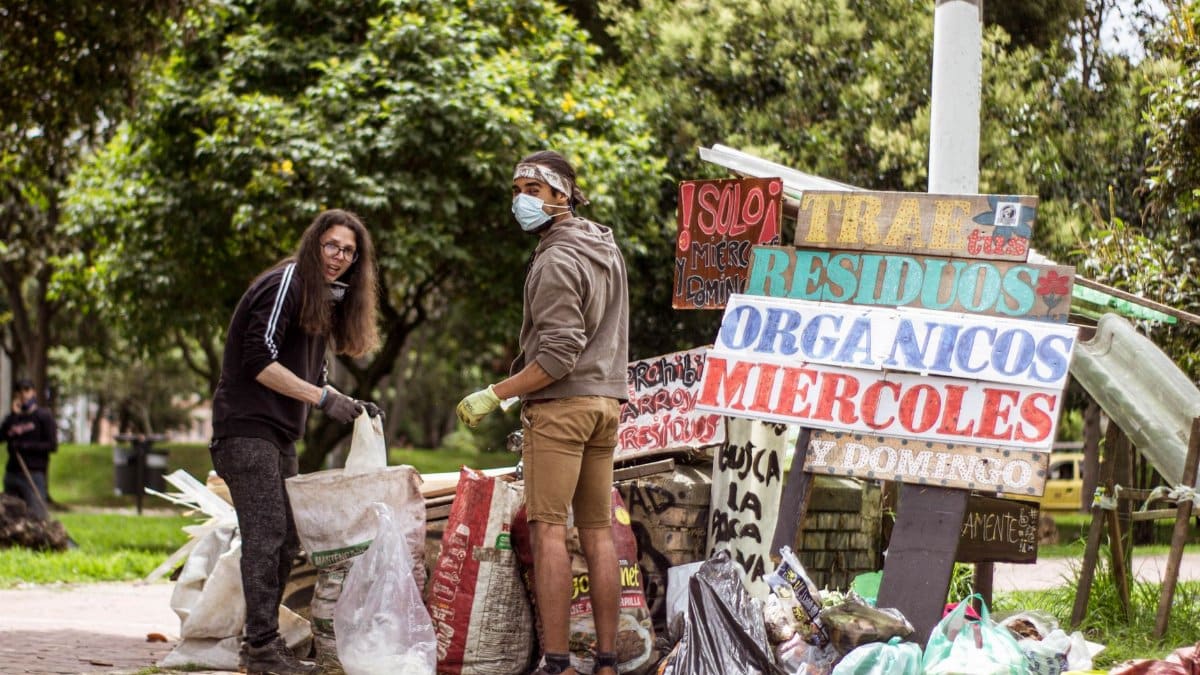
Forests often contain networks of fungi that link separate trees. The film shows a character mapping these connections in a local woodland. Data from field stations in Canada suggest resources can move between plants under stress, though the mechanisms remain under active study.
Limitations in Current Measurement Tools
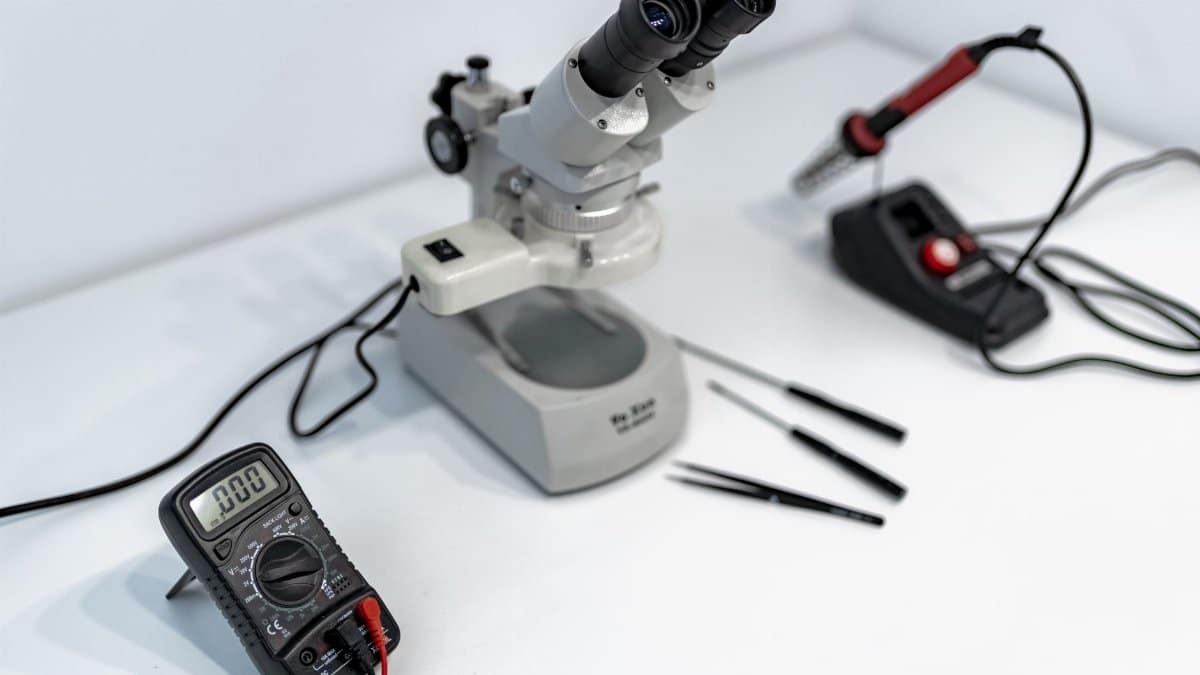
Instruments capture chemical releases and growth adjustments, yet they leave room for interpretation. Observers note that similar responses occur across many living systems without implying higher functions. The movie highlights this uncertainty through scenes where characters debate the meaning of their recordings.
Public Interest and Media Portrayals
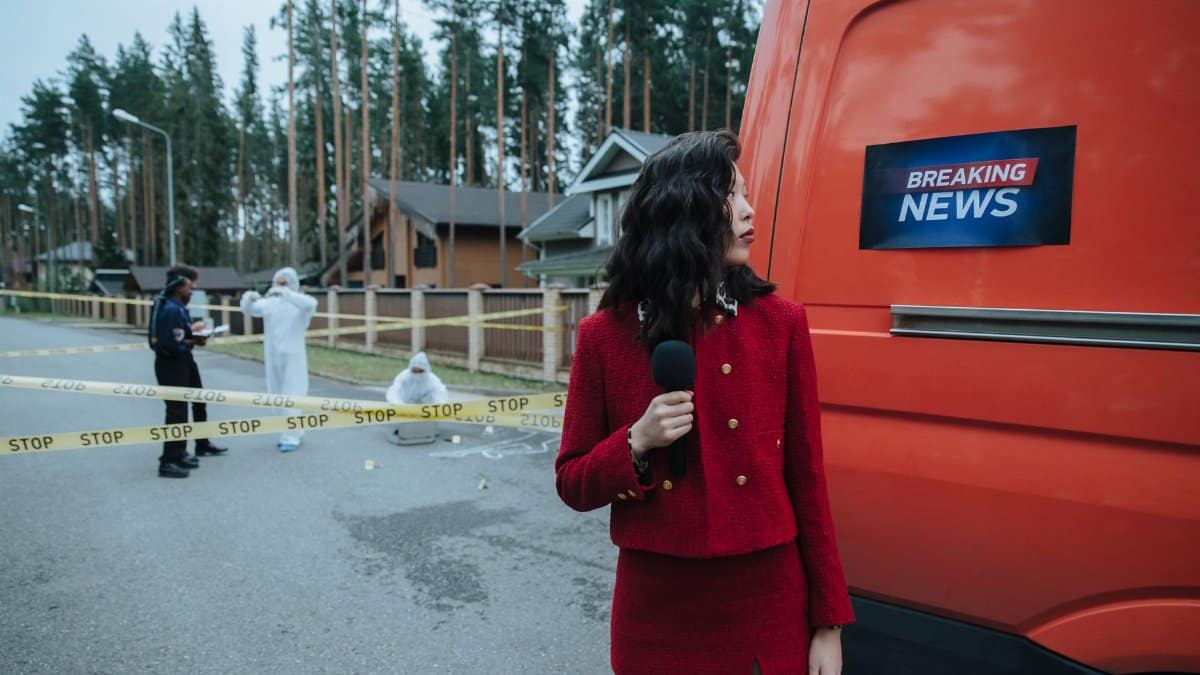
Articles in major outlets have increased attention to plant studies over the past decade. Silent Friend adds a visual layer by focusing on one person’s sustained attention rather than broad claims. Middle aged readers may recognize echoes of earlier nature writing that treated observation itself as a form of respect.
Comparisons With Animal Nervous Systems
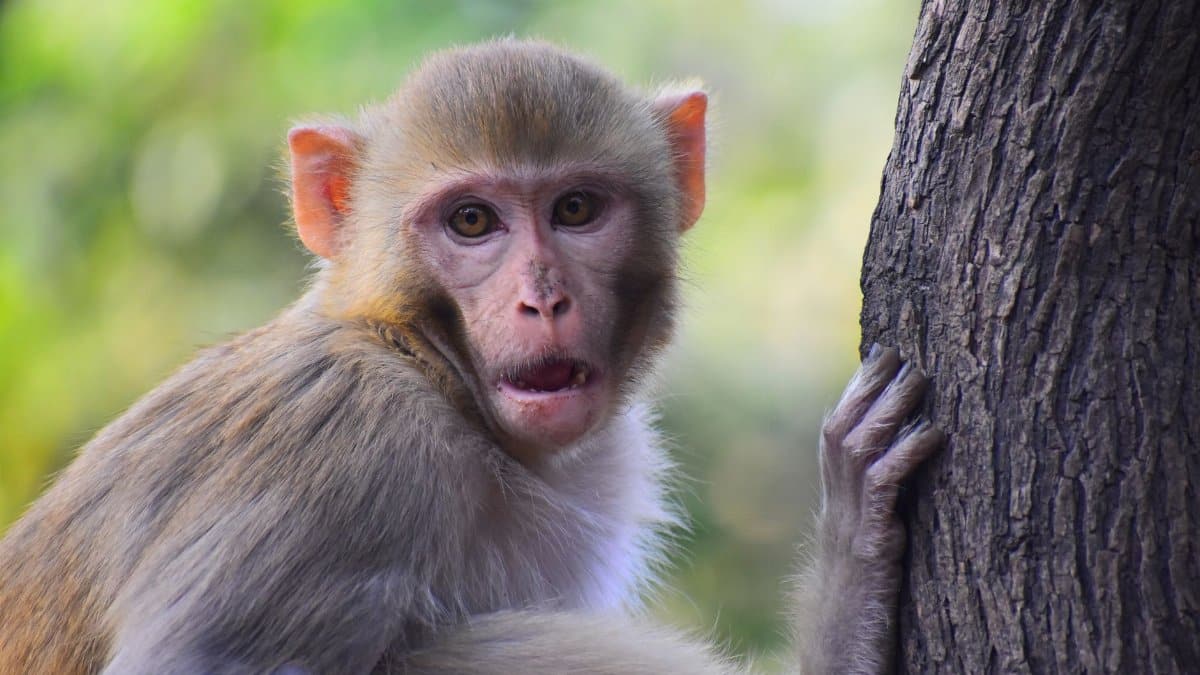
Unlike animals, plants lack centralized structures for processing information. The film avoids direct analogies, instead presenting side by side sequences of human and plant activity. This approach keeps the emphasis on observable differences rather than forced parallels.
Future Experiments on the Horizon

Teams at several universities plan longer term monitoring projects using improved sensors. Early proposals include tracking entire stands of trees through seasonal cycles. Funding agencies have shown interest in work that combines traditional ecology with newer imaging methods.
Ethical Questions Raised by the Story

If further evidence supports complex responses in plants, land management practices could face fresh scrutiny. The narrative thread in Silent Friend touches on conservation choices without prescribing outcomes. Such restraint allows viewers to weigh possibilities on their own terms.
Reflections From Field Observers
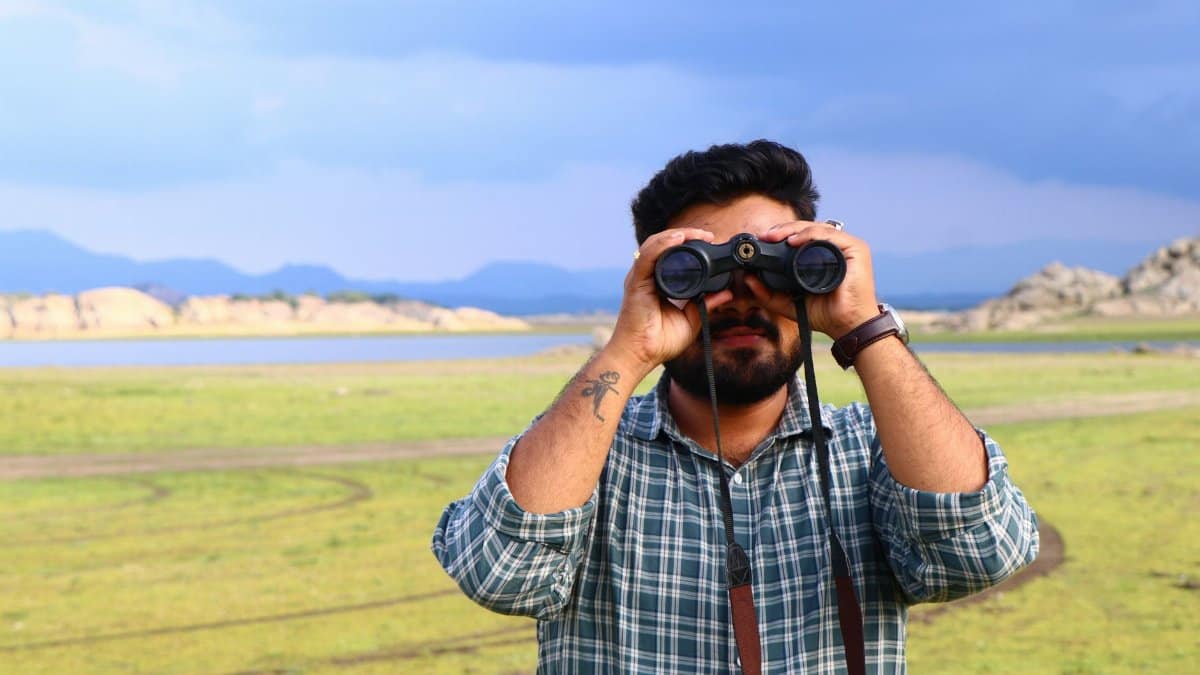
Journalists who visit active research sites often describe the quiet intensity of daily measurements. One reporter noted the contrast between rapid news cycles and the slow unfolding of plant events. This gap in tempo shapes how findings reach broader audiences.
Connecting Film Technique to Scientific Patience
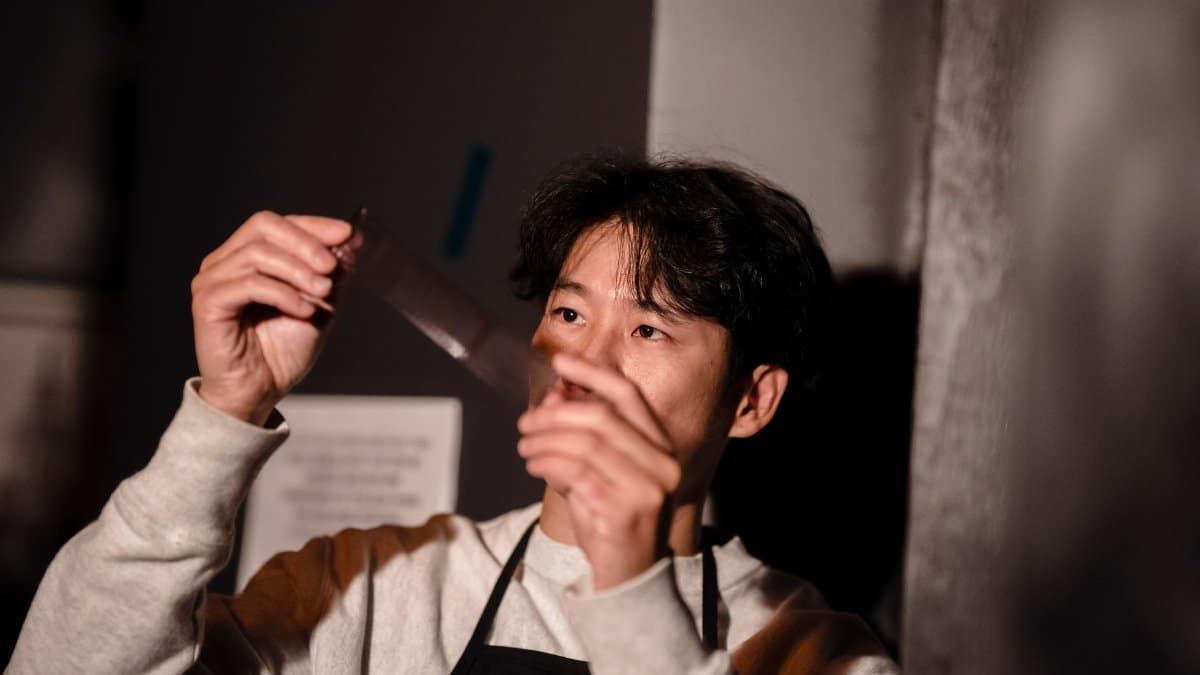
Directors of Silent Friend chose extended shots that mirror the time scales of growth. The result encourages audiences to linger with images instead of seeking quick conclusions. Similar techniques appear in documentaries about astronomy and deep ocean research.