

Is lab ego death California the key to unlocking new frontiers in human consciousness? A groundbreaking neuroscience lab in the Golden State has achieved what many thought impossible: inducing a state akin to ‘ego death’ without the use of psychedelics or drugs. Using targeted magnetic brain stimulation, researchers have opened a Pandora’s box of potential for mental health treatment and spiritual exploration. This pioneering work could redefine how we understand the self, offering a glimpse into a future where the boundaries of identity can be temporarily dissolved through science.
A Breakthrough in Neuroscience
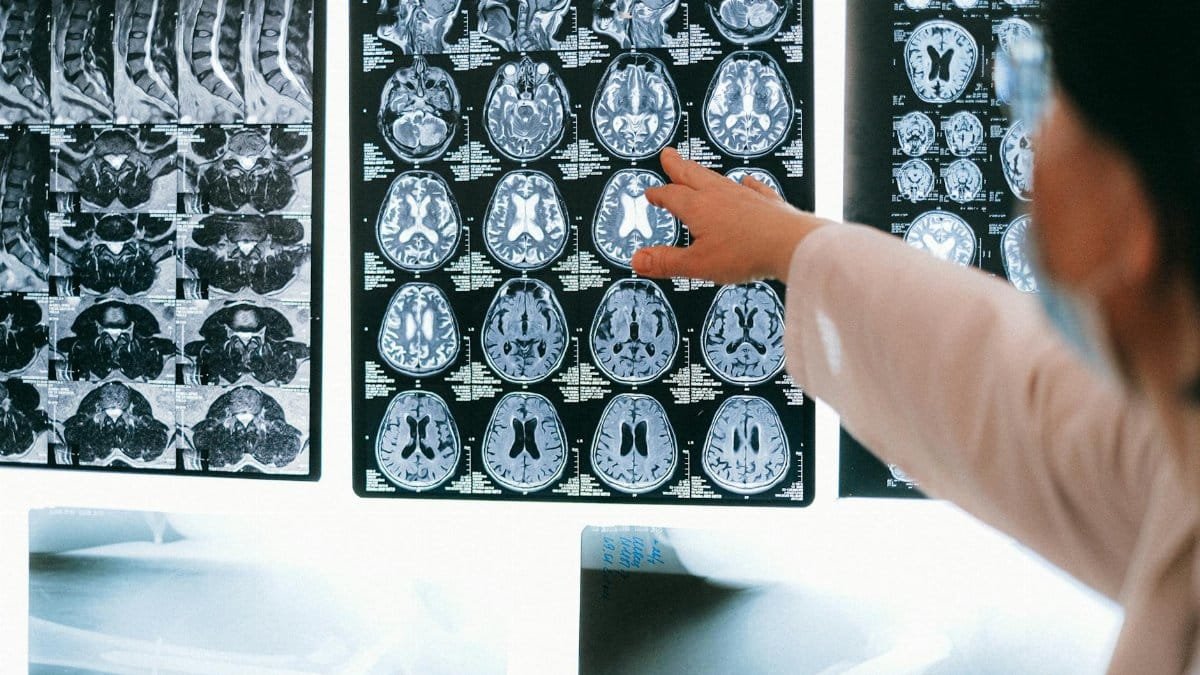
In a quiet corner of California, scientists are rewriting the rules of consciousness. A leading neuroscience lab has reported success in inducing states similar to ‘ego death’—a profound psychological experience where the sense of self temporarily dissolves. Unlike traditional methods that often rely on substances like psilocybin or meditation practices, this team has harnessed cutting-edge technology to achieve similar effects. Their approach marks a significant departure from past research, placing California at the forefront of innovative brain science.
How Magnetic Stimulation Works

The method behind this discovery involves targeted magnetic brain stimulation, a non-invasive technique that influences neural activity. By focusing electromagnetic pulses on specific brain regions associated with self-perception, researchers can disrupt the usual patterns that construct our sense of identity. The result is a temporary state resembling ego death, often described as a feeling of unity or detachment from personal identity. This technology, while still experimental, showcases the potential for precise interventions in brain function without chemical aids.
Understanding Ego Death

Ego death, a term rooted in both spiritual traditions and modern psychology, refers to the dissolution of the self—a state where individuals feel disconnected from their personal identity and ego-driven thoughts. Often associated with profound personal transformation, it has been a sought-after experience in meditative and psychedelic practices. The ability to replicate this state in a controlled lab setting in California offers a unique opportunity to study its effects on the brain and psyche with unprecedented clarity.
Potential Applications in Mental Health

The implications of this research extend far beyond academic curiosity. Inducing ego death-like states could have therapeutic benefits, particularly for conditions like depression, anxiety, and post-traumatic stress disorder (PTSD). By temporarily altering self-perception, patients might gain new perspectives on their struggles, potentially breaking cycles of negative thought patterns. While still in early stages, the work at this California lab could pave the way for novel treatments that sidestep the risks associated with psychedelic drugs.
Ethical and Philosophical Questions

With great power comes great responsibility, and this breakthrough raises significant ethical concerns. What does it mean to artificially dissolve the self, even temporarily? Could such interventions be misused, or might they alter a person’s core identity in unintended ways? Philosophers and ethicists are already weighing in on the implications of lab ego death California research, urging caution as scientists push the boundaries of human experience. The debate over how far we should go in manipulating consciousness is just beginning.
Expanding Research Horizons

The success of magnetic stimulation in inducing ego death-like states has opened new avenues for neuroscience research. Scientists at the California lab are now exploring how these altered states impact brain connectivity and long-term psychological well-being. Their findings could deepen our understanding of consciousness itself, shedding light on age-old questions about the nature of the self. Collaborations with other institutions are likely to accelerate progress, potentially positioning California as a global hub for consciousness studies in 2025 and beyond.
Public and Scientific Reactions
News of this discovery has sparked intrigue among both the scientific community and the public. Neuroscientists see it as a promising step toward understanding the brain’s role in constructing identity, while spiritual communities view it as a bridge between ancient practices and modern technology. However, skepticism remains about the safety and long-term effects of such interventions. As research continues, the California team is under pressure to provide robust data to support their claims and address lingering uncertainties.
Looking Ahead: What’s Next?

The road ahead for lab ego death California research is both exciting and uncertain. The team plans to refine their magnetic stimulation techniques, aiming for greater precision and safety. Larger clinical trials are on the horizon to test therapeutic applications, potentially transforming mental health care. Meanwhile, public interest in consciousness-altering technologies is growing, fueled by a desire for personal growth and healing. This California lab’s work could be the spark that ignites a broader movement in neuroscience.
For more information on the science behind brain stimulation, visit National Institutes of Health. Additional context on neuroscience advancements can be found at Stanford University Neuroscience News.